

How Sports Are Changing the Way Fans Connect and Compete
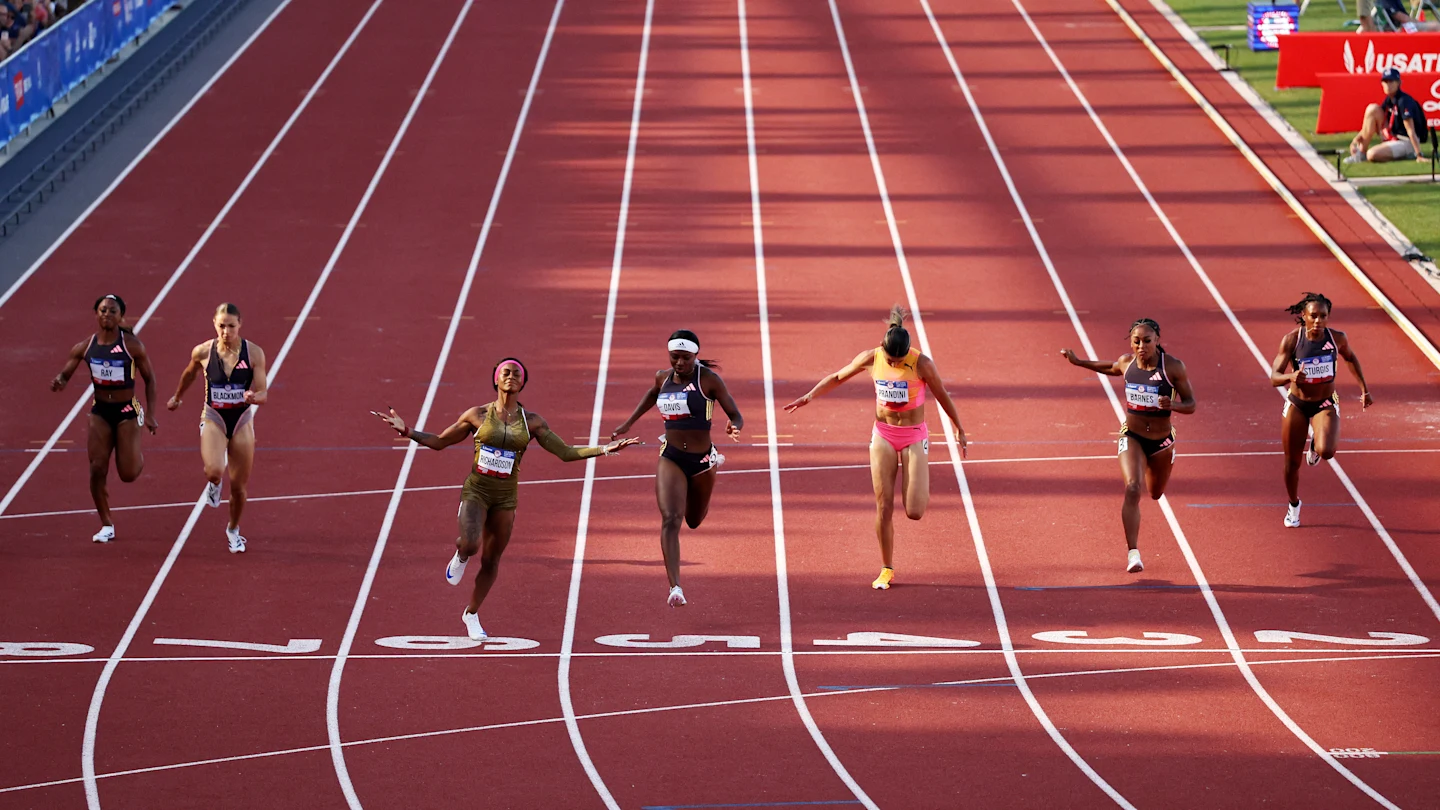
Sports play an important role in communities across the United States. From professional leagues to school competitions and local tournaments, sports bring people together through shared interests and competition. Over the years, the way people watch, play, and follow sports has changed. Technology, social media, fitness awareness, and new training methods have influenced how athletes and fans experience sporting events.
Digital platforms have also changed how people discover information and follow different interests. Websites such as Mrkt Plce Vape demonstrate how online shopping platforms reach specific audiences through digital marketing. Similar online strategies are used by sports brands, equipment retailers, and fitness companies to connect with customers and share information about their products.
1. Technology Is Changing Modern Sports
Technology has become an important part of professional and amateur sports. Athletes, coaches, referees, and sports organizations use digital tools to improve performance, manage competitions, and make better decisions.
Sports technology is not limited to professional stadiums. Many fitness enthusiasts and amateur athletes also use mobile applications, smartwatches, and online training platforms to monitor their progress.
Some common examples include:
-
Performance tracking: Wearable devices measure heart rate, distance, speed, and physical activity.
-
Video analysis: Coaches review recorded matches to identify mistakes and improve player performance.
-
Instant replays: Video technology helps officials review important decisions during competitions.
-
Fitness applications: Mobile apps help users organize workouts and monitor exercise routines.
-
Online coaching: Athletes can access training programs and professional guidance through digital platforms.
These developments have made sports training more organized. Athletes can understand their performance through recorded information instead of depending entirely on personal observations.
Technology also helps fans follow competitions. Live scores, match statistics, and online broadcasts allow viewers to stay updated even when they cannot attend events in person.
2. The Growing Popularity of Fitness and Recreational Sports
Fitness has become an important part of everyday life for many people. More individuals are participating in physical activities to improve their strength, stamina, flexibility, and general fitness.
Sports such as running, cycling, swimming, basketball, football, and tennis provide opportunities for people to remain active. These activities can be enjoyed individually or as part of a team.
Community sports programs also encourage participation among different age groups. Local clubs and recreational centers organize events where beginners can learn basic skills and experienced players can improve their abilities.
Popular recreational activities include:
-
Running clubs and community marathons.
-
Weekend football and basketball matches.
-
Swimming lessons and local competitions.
-
Cycling groups and outdoor fitness events.
-
Tennis and badminton tournaments.
-
School and college sporting activities.
Another important development is the availability of affordable sports equipment. Online retailers make it easier to compare different products, check specifications, and find suitable equipment.
For example, sports fans who enjoy following different lifestyle markets may also come across products from unrelated online retail categories, such as the MRKT PLCE NEAR ME. However, sports participation and physical fitness should always remain separate from nicotine-related products.
3. Social Media Is Bringing Sports Fans Together
Social media has changed how fans communicate with athletes, teams, and other supporters. In the past, people mainly followed sports through television, newspapers, and radio broadcasts. Today, platforms such as Instagram, YouTube, Facebook, and TikTok provide additional ways to follow sporting activities.
Fans can watch match highlights, interviews, training videos, and behind-the-scenes content. They can also share opinions, discuss important moments, and participate in online conversations.
Social media provides several benefits for sports communities:
-
Direct communication: Fans can follow updates from teams and athletes.
-
Quick information: Important announcements and match results reach audiences quickly.
-
Community discussions: Supporters can exchange opinions about games and competitions.
-
Athlete visibility: Emerging players can share their achievements and attract attention.
-
Event promotion: Sports organizations can promote tournaments and community activities.
Sports influencers and professional athletes also use digital platforms to share their training routines and experiences. This content can introduce viewers to different sports and encourage them to become more active.
However, fans should check information from reliable sources. Social media posts are not always accurate, especially when they involve transfer news, injury reports, or competition results.
4. How Sports Training Methods Are Improving
Training is one of the most important parts of athletic development. Athletes need regular practice, proper coaching, and suitable recovery periods to improve their performance.
Modern training programs often focus on specific goals. Instead of following the same routine throughout the year, athletes may work on strength, endurance, speed, flexibility, and sport-specific skills.
Coaches also consider the physical requirements of each sport. A football player may need sprint training and endurance exercises, while a tennis player may focus more on footwork, coordination, and reaction speed.
Important elements of modern sports training include:
-
Strength training: Exercises help develop muscle strength and physical control.
-
Endurance training: Regular cardiovascular activity supports stamina.
-
Skill development: Repeated practice improves techniques required for specific sports.
-
Recovery routines: Rest and appropriate recovery activities help manage physical fatigue.
-
Nutrition planning: Balanced meals provide energy and nutrients needed for physical activity.
-
Mental preparation: Concentration and confidence help athletes handle competition pressure.
Training should be suitable for an athlete's age, experience, and physical condition. Beginners should increase exercise intensity gradually and seek qualified guidance when necessary.
Sports organizations are also paying greater attention to injury prevention. Warm-ups, proper equipment, suitable playing surfaces, and recovery schedules can help reduce avoidable injuries.
5. Professional Sports and the Business of Entertainment
Professional sports have developed into a large entertainment and business industry. Major leagues, international tournaments, sponsorship agreements, broadcasting rights, and merchandise sales contribute to the financial side of sports.
Events such as the Olympic Games, FIFA World Cup, NBA competitions, and major tennis tournaments attract viewers from different countries. These competitions also provide opportunities for athletes, coaches, broadcasters, sponsors, and local businesses.
Sports marketing has become an important part of this industry. Companies work with teams and athletes to promote products, services, and sporting events.
Some major areas of sports business include:
-
Sponsorships: Businesses support teams, athletes, and sporting competitions.
-
Broadcasting: Television networks and streaming services provide access to live events.
-
Merchandise: Fans purchase team clothing, accessories, and licensed products.
-
Sports tourism: Major competitions attract visitors to host cities.
-
Digital advertising: Organizations use online platforms to reach sports audiences.
-
Ticket sales: Stadiums and arenas generate revenue through live attendance.
Online retail has also changed how brands communicate with consumers. Companies across different industries use websites and digital campaigns to reach their target audiences. For instance,MRKT PLCE FLAVORS belongs to a separate retail category, illustrating how specialized online stores organize products for particular customer groups. It is not a sports product or a fitness recommendation.
The business side of sports continues to evolve as organizations explore new ways to engage audiences and provide better viewing experiences.
6. The Future of Sports and Fan Participation
The future of sports will likely involve further developments in technology, training, broadcasting, and fan engagement. Digital platforms are already making competitions more accessible to people who cannot attend events in person.
Virtual reality, artificial intelligence, performance analytics, and improved broadcasting systems may create additional opportunities for athletes and sports organizations.
Young people are also an important part of the future of sports. School competitions, youth academies, and community programs introduce children to physical activity and teamwork. These programs can help develop discipline, communication, confidence, and leadership skills.
Some developments worth watching include:
-
More advanced performance measurement tools.
-
Greater access to online sports training.
-
Improved injury prevention and recovery methods.
-
Growth in women's professional sports.
-
Increased opportunities for youth participation.
-
More interactive live sports coverage.
-
Greater use of data in coaching and match analysis.
Esports is another area attracting attention. Competitive gaming has created new professional opportunities and international communities. Although it differs from traditional physical sports, it shares elements such as teamwork, competition, practice, and strategic planning.
Sports will continue to develop as technology and audience expectations change. At the same time, traditional values such as fair play, teamwork, discipline, and respect will remain important.
Conclusion
Sports are changing through technology, fitness awareness, social media, improved training, and business development. These changes are creating new opportunities for athletes, fans, and sports organizations. Whether someone enjoys watching professional competitions or participating in local activities, there are many ways to stay connected with sports. I believe the most important part of this development is encouraging more people to participate, support their communities, and enjoy the benefits of an active lifestyle.

 English
 Arabic
 French
 Spanish
 Deutsch
 Turkish
 Dutch
 Italiano
 Russian
 Romaian
 Portuguese (Brazil)
 Greek
