

Best Plastic Surgeons in Dubai Explore Sculptra for Cheek Transitions
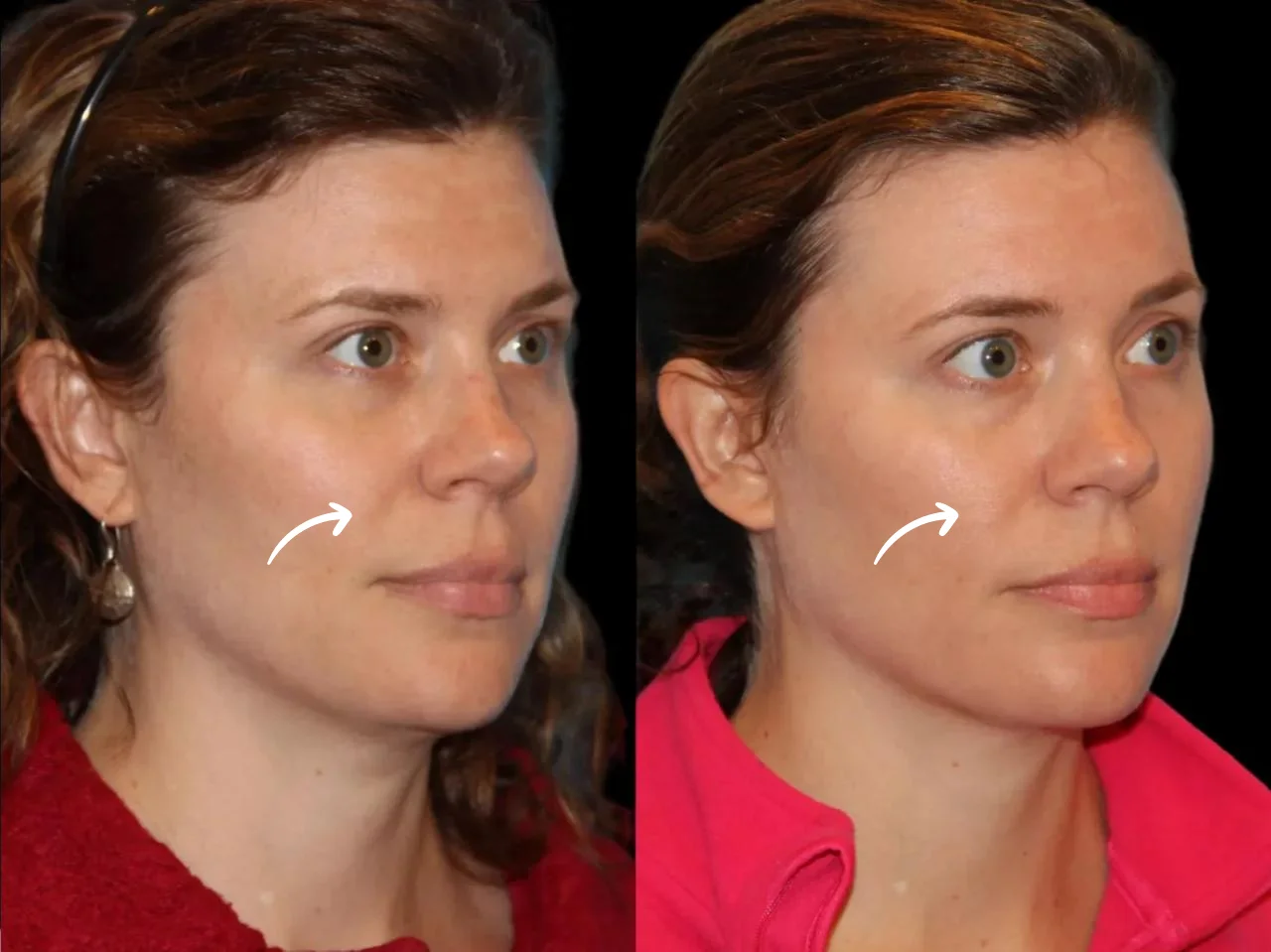
Facial harmony depends on how different features connect rather than the appearance of one area alone. The cheeks, temples, under-eye region, and jawline contribute to the overall balance of the face. When cheek volume decreases or the transition between these areas becomes less defined, facial contours may appear uneven, tired, or less youthful. Understanding these changes is important when considering treatments designed to improve facial structure.
Sculptra is a collagen-stimulating injectable treatment that supports gradual improvements in selected areas affected by volume loss. Unlike conventional fillers that provide immediate volume, this treatment encourages the body's natural collagen production. Its gradual approach makes it an option worth discussing for individuals interested in improving cheek contours while maintaining their natural facial characteristics.
However, achieving balanced results requires more than adding volume. Facial anatomy, skin quality, existing tissue support, and individual aesthetic goals all influence treatment decisions. Understanding these factors helps establish realistic expectations and determine whether collagen stimulation is an appropriate approach.
Understanding Cheek Transitions and Their Importance in Facial Harmony
Cheek transitions describe the natural contours connecting the lower eyelids, upper cheeks, midface, and surrounding facial structures. These connections contribute to the smooth appearance of facial features. When volume is distributed evenly, the cheeks blend naturally with nearby areas, creating balanced facial proportions.
Age-related collagen reduction, changes in facial fat distribution, genetics, and reduced skin elasticity can influence these contours. Some individuals naturally have flatter cheeks, while others experience noticeable changes in midface volume over time.
The objective of cheek rejuvenation is not necessarily to create fuller cheeks. Instead, treatment planning may focus on improving the relationship between different facial areas and supporting a smoother-looking transition.
Why Smooth Cheek Contours Matter
The cheek area connects several prominent facial features. A hollow between the lower eyelid and cheek can make the midface appear less supported, while uneven volume distribution may create noticeable differences between facial contours.
Aesthetic assessment should identify the underlying reason for these changes. Some concerns relate to collagen loss, while others may involve natural bone structure, facial fat compartments, or skin laxity. Understanding these differences helps determine which treatment approach may be appropriate.
How Sculptra Supports Natural-Looking Cheek Transitions
Sculptra is an injectable biostimulatory treatment formulated with poly-L-lactic acid (PLLA). Its primary purpose is to stimulate collagen production rather than simply add immediate volume beneath the skin.
Following treatment, the material encourages a tissue response that supports collagen development over time. This process may gradually improve selected volume-related concerns and contribute to better-looking facial contours.
The Role of Collagen in Midface Support
Collagen is an important structural protein that contributes to skin firmness, elasticity, and support. As natural collagen levels change with age, the skin may become less firm, and facial contours can appear different.
Sculptra encourages collagen formation in appropriately selected treatment areas. For suitable candidates, this may help improve the appearance of volume loss while maintaining gradual changes.
However, collagen stimulation cannot address every type of facial concern. Significant skin laxity, deep structural hollows, and prominent anatomical differences may require alternative treatments. A medical professional should assess the underlying concern before making a recommendation.
Why Gradual Results Can Be Beneficial
Gradual improvement can appeal to individuals who prefer subtle changes rather than an immediate transformation. The treatment works over time, allowing collagen development to influence the appearance of the treated area.
Results vary according to individual anatomy, treatment technique, collagen response, and the number of sessions recommended. Patients should understand that the final outcome is not immediately visible after an appointment.
Best Plastic Surgeons in Dubai: Evaluating Sculptra for Cheek Enhancement
Best Plastic Surgeons in Dubai evaluate cheek concerns by considering facial proportions, midface volume, skin elasticity, cheekbone projection, and the relationship between surrounding structures. This detailed assessment helps determine whether collagen stimulation is suitable or whether another treatment may better address the concern.
A balanced treatment plan should preserve natural facial characteristics. Adding excessive volume can create an unnatural appearance, particularly when the cheeks are treated without considering the lower eyelids and jawline. The objective is to support facial harmony rather than change the entire facial structure.
Important Factors During a Cheek Assessment
A medical professional may evaluate several factors before recommending treatment:
- Midface volume: Whether the cheeks have experienced volume loss or naturally have limited projection.
- Skin quality: Whether reduced elasticity or textural changes contribute to the concern.
- Facial symmetry: Whether one cheek appears different from the other.
- Under-eye and cheek connection: Whether the transition between these areas appears hollow or uneven.
- Individual expectations: Whether the desired outcome involves subtle rejuvenation or more noticeable structural enhancement.
This assessment is essential because not every facial hollow results from collagen loss. Some concerns involve bone structure, natural anatomy, or changes in facial fat compartments.
What Makes Sculptra Different From Traditional Dermal Fillers?
Traditional hyaluronic acid fillers primarily add volume by placing a gel-like substance beneath the skin. Sculptra works differently because it stimulates collagen production over time. Both approaches have applications in aesthetic medicine, but their mechanisms and result timelines differ.
The term sculptra fillers is commonly used when discussing collagen-stimulating injectable treatments. However, Sculptra should not be confused with conventional hyaluronic acid products. Its gradual action means that patients should understand the expected development of results before beginning treatment.
Comparing Treatment Approaches
Sculptra and hyaluronic acid fillers differ in their mechanisms, treatment goals, and result timelines. Sculptra stimulates natural collagen production, supporting gradual improvements in facial volume and skin structure over time. Its results develop progressively, and achieving the desired outcome may require multiple treatment sessions. Unlike traditional fillers, Sculptra cannot be dissolved using hyaluronidase.
In comparison, hyaluronic acid fillers add volume directly through gel placement, making their results often visible immediately after treatment. They are commonly used for targeted volume restoration, with the treatment approach depending on the product selected and the area being treated. Another important difference is that many hyaluronic acid fillers can be dissolved using an enzyme called hyaluronidase if medically necessary.
Neither treatment is universally better. The appropriate option depends on facial anatomy, the specific concern, medical suitability, desired results, and the practitioner's assessment.
Can Sculptra Improve the Cheek-to-Under-Eye Transition?
Sculptra may support improvements in selected midface areas where collagen stimulation and gradual volume restoration are appropriate. However, it is not a direct solution for every type of under-eye hollow or tear-trough concern.
The lower eyelid has delicate anatomy, and treatment in this region requires particular caution. A medical professional should determine whether the adjacent cheek area can be treated safely and whether another approach is more appropriate for the under-eye concern itself.
Best Aesthetic Clinics in Dubai: Choosing the Right Treatment Environment
Choosing among the Best Aesthetic Clinics in Dubai involves more than comparing treatment prices or reviewing before-and-after photographs. Consultation quality, understanding of facial anatomy, medical assessment, and experience with injectable procedures are important considerations.
A suitable clinic should explain the treatment mechanism, discuss its limitations, and provide realistic expectations. Patients should also receive clear information about possible side effects, aftercare, treatment intervals, and the possibility that individual results may differ.
Important Qualities of a Suitable Clinic
When evaluating a clinic, consider the following:
- Qualified medical practitioners: Treatment should be performed by an appropriately trained and licensed medical professional.
- Detailed facial assessment: The consultation should examine the entire midface rather than focusing on one hollow or contour.
- Individualized planning: Product quantity, injection placement, and treatment intervals should reflect the patient's anatomy and clinical needs.
- Transparent communication: Expected outcomes, potential complications, and limitations should be explained before treatment.
- Appropriate follow-up: Patients should understand how to contact the clinic if unexpected symptoms develop.
A professional consultation should never involve pressure to undergo treatment. Individuals should receive sufficient information and time to decide whether the procedure suits their goals.
Sculptra Clinics in Dubai: Understanding Treatment Planning
When comparing Sculptra Clinics in Dubai, it is useful to understand how an individualized treatment plan is developed. Sculptra is not a one-size-fits-all procedure. The recommended amount, injection locations, and number of sessions depend on facial characteristics and clinical judgment.
The consultation generally begins with a discussion of aesthetic concerns and medical history. The practitioner evaluates the cheeks, surrounding facial structures, and skin condition before determining whether collagen stimulation is appropriate.
What Happens During the Treatment Process?
1. Initial Consultation
The practitioner discusses aesthetic goals, previous cosmetic procedures, allergies, medical history, and relevant health conditions. This information helps identify potential risks and determine suitability.
2. Facial Assessment
The midface is examined for volume distribution, skin quality, asymmetry, and structural characteristics. Photographs may also be taken to document the initial appearance and support follow-up comparisons.
3. Treatment Preparation
If Sculptra is considered suitable, the treatment area is prepared according to appropriate clinical protocols. The product is reconstituted and administered by a qualified practitioner using an individualized technique.
4. Injection Procedure
The practitioner places the product in selected tissue planes according to the treatment plan. The procedure requires careful attention to facial anatomy, injection technique, and patient comfort.
5. Aftercare and Follow-Up
Patients receive instructions about caring for the treated area and monitoring their recovery. Follow-up appointments allow the practitioner to assess the response and determine whether additional sessions are appropriate.
How Many Sessions May Be Needed?
Some individuals require more than one session to achieve their desired improvement. The number and spacing of treatments depend on the degree of volume loss, individual response, and clinical assessment.
Patients should avoid expecting an immediate final result after their first appointment. Collagen development takes time, and the practitioner should explain the expected timeline before treatment begins.
Sculptra for Facial Volume: Understanding Different Treatment Areas
Sculptra is discussed in connection with several aesthetic concerns, but its use must be evaluated separately for each treatment area. A product that may be appropriate for one facial region is not automatically suitable for another.
For example, sculptra in Dubai may be discussed as part of a facial rejuvenation plan when collagen stimulation is clinically appropriate. However, the treatment strategy for the cheeks differs from approaches used for other areas of the face or body.
Understanding Facial Rejuvenation
The term sculptra face generally describes the use of this collagen-stimulating treatment for selected facial volume concerns. Depending on individual anatomy and clinical suitability, a practitioner may consider areas where gradual improvements in volume and skin support are desired.
The objective should be a balanced result that respects natural facial proportions. Treatment should not aim to create excessive fullness or make every facial area appear identical.
Understanding Other Facial Treatment Areas
Different facial regions have different anatomical characteristics. For example, sculptra cheeks involves considerations related to midface support and the transition between nearby structures.
In comparison, sculptra for neck requires a separate assessment of skin quality, tissue thickness, and the suitability of the treatment for that particular region. These applications should not be treated as interchangeable. A qualified practitioner must assess the intended area and determine whether the product is appropriate.
Understanding Sculptra for Body Contouring
Some individuals also encounter information about sculptra for buttocks, particularly in discussions about volume enhancement and body contouring. Related applications described as sculptra buttock injections, buttocks sculptra, sculptra for hip dips, and sculptra filler for buttocks involve different aesthetic considerations from facial rejuvenation.
Facial treatment experience does not automatically establish suitability for body applications. The safety, effectiveness, regulatory status, and appropriate injection technique must be evaluated for the specific treatment area and intended use.
A practitioner should also explain the distinction between a product's authorized indications and applications that may fall outside its approved labeling. Patients should not assume that every injectable product or technique is suitable for buttock enhancement.
What Influences Sculptra Treatment Costs in Dubai?
The overall treatment expense depends on several factors, including the number of sessions, amount of product required, treatment area, and practitioner's expertise. Individuals should understand the complete treatment plan instead of comparing prices without considering what is included.
The sculptra cost may differ between patients because facial anatomy, the degree of volume loss, and desired improvements are not identical. Similarly, the sculptra price should be discussed during consultation after the practitioner has assessed the treatment area and established an appropriate approach.
Before proceeding, patients should ask about the product being used, the expected number of sessions, follow-up arrangements, and any additional expenses. Transparent pricing helps individuals make informed decisions without compromising treatment quality.
The Importance of Medical Expertise in Sculptra Treatments
Injectable treatments require an understanding of facial anatomy, tissue depth, product characteristics, and potential complications. Even when the objective is subtle improvement, inappropriate placement or technique can affect the outcome.
The phrase Celebrity Doctors in Dubai is often associated with visibility in the aesthetic industry, but public recognition alone should never determine a patient's choice. Appropriate qualifications, clinical experience, ethical recommendations, and patient safety are more meaningful considerations.
At Perfect Doctors Clinic, consultations can help individuals understand available aesthetic approaches and whether a collagen-stimulating treatment aligns with their goals. Dr. Perfect Celebrity can be referenced in discussions about the clinic's aesthetic services, with treatment recommendations depending on individual assessment and medical suitability.
A practitioner should also explain that a sculptra dermal filler differs from conventional fillers in its mechanism of action. Patients should understand the product's characteristics, expected results, and limitations rather than relying solely on promotional descriptions.
Possible Side Effects and Safety Considerations
Sculptra is an injectable procedure, so it carries potential risks even when administered by an appropriately trained professional. Understanding these risks is an important part of informed consent.
Common Temporary Reactions
Some patients may experience:
- Redness around injection sites.
- Swelling or tenderness.
- Bruising.
- Temporary discomfort.
- Small areas of firmness following treatment.
These reactions may improve during recovery, although their duration varies between individuals.
Less Common but Important Complications
Potential complications can include palpable nodules, delayed inflammatory reactions, and granulomas. More serious injection-related complications, including vascular injury, are also possible with injectable procedures.
Patients should contact their treating practitioner if they notice persistent lumps, increasing discomfort, unusual swelling, or unexpected changes in the treated area. Severe or sudden symptoms, including visual disturbances or significant skin discoloration, require urgent medical assessment.
Sculptra is not appropriate for everyone. A practitioner should review allergies, medical history, active skin infections, previous treatments, and other relevant health factors before recommending it.
Why Proper Aftercare Matters
Aftercare instructions should be provided by the treating practitioner according to the individual's procedure and clinical circumstances. Patients should follow the specific guidance they receive rather than relying on general advice from unrelated treatment experiences.
Follow-up appointments are useful for reviewing recovery, assessing changes, and discussing whether further treatment is necessary. Patients should not arrange additional injections simply because they cannot see an immediate transformation.
What Results Can Patients Realistically Expect?
Sculptra is intended to produce gradual changes rather than an instant transformation. Initial swelling may temporarily influence the appearance of the treated area, but this should not be confused with the final collagen-related result.
Over the following weeks and months, collagen development may contribute to improvements in selected areas. The degree of change depends on individual response, baseline facial structure, treatment plan, and other biological factors.
For cheek transitions, realistic expectations may include:
- Gradual improvement in selected volume-related concerns.
- Better integration between treated and surrounding contours.
- Subtle support for facial balance.
- Improvements that develop over time rather than immediately.
However, Sculptra cannot change underlying bone structure or guarantee complete correction of deep facial hollows. Significant asymmetry, pronounced skin laxity, and concerns involving other anatomical structures may require different treatment options.
A successful treatment plan should prioritize facial harmony, safety, and realistic outcomes instead of pursuing excessive volume.
Conclusion
Sculptra offers a collagen-stimulating approach to facial rejuvenation that may benefit selected individuals concerned about cheek volume and uneven facial transitions. Its gradual mechanism makes it different from traditional fillers, and its suitability depends on facial anatomy, skin condition, medical history, and aesthetic expectations.
Understanding the treatment process, possible risks, recovery, and expected timeline helps patients make informed decisions. Choosing a qualified practitioner and receiving an individualized assessment are essential steps toward achieving balanced and natural-looking results.
At Perfect Doctors Clinic, individuals can discuss their aesthetic concerns, learn about available treatment approaches, and receive guidance based on their needs. A thorough consultation helps establish whether Sculptra is an appropriate option for supporting facial harmony.
Frequently Asked Questions
1. What Is Sculptra for Cheek Transitions?
Sculptra is a poly-L-lactic acid injectable treatment that stimulates collagen production. It may help improve selected volume-related concerns and support smoother-looking transitions between the cheeks and surrounding facial areas.
2. How Is Sculptra Different From Traditional Cheek Fillers?
Traditional hyaluronic acid fillers add volume directly through gel placement, whereas Sculptra encourages collagen production over time. Consequently, their mechanisms, result timelines, and treatment planning are different.
3. How Long Does Sculptra Take to Show Results?
Results develop gradually as collagen production increases. Some changes may become noticeable over the following weeks, while further improvement can develop over several months. Individual responses vary.
4. Does Sculptra Make Cheeks Look Overfilled?
Sculptra is designed to support gradual collagen development rather than create immediate dramatic fullness. However, excessive treatment or inappropriate planning can still produce undesirable results. Individualized treatment is important.
5. Is Sculptra Suitable for Everyone?
No. Suitability depends on medical history, skin condition, allergies, treatment goals, and other clinical considerations. A qualified practitioner should assess each individual before recommending the procedure.
6. Can Sculptra Treat Under-Eye Hollows?
Sculptra is not a direct treatment for every type of under-eye hollow. The lower eyelid has delicate anatomy, and a practitioner must determine whether treating an adjacent cheek area or considering another option is more appropriate.
7. How Many Sculptra Sessions Are Usually Required?
The number of sessions varies according to individual anatomy, degree of volume loss, and response to treatment. Some patients may need multiple appointments, with suitable intervals determined by their practitioner.
8. What Should Patients Avoid After Sculptra Treatment?
Patients should follow their practitioner's specific aftercare instructions. They should avoid manipulating the treated area beyond the recommended guidance and contact their practitioner if unusual or persistent symptoms develop.
9. Can Sculptra Be Combined With Other Aesthetic Treatments?
In selected cases, Sculptra may form part of a broader facial rejuvenation plan. However, the timing and suitability of combining procedures depend on the treatments involved and individual medical assessment.
10. How Can Patients Choose the Right Clinic for Sculptra?
Patients should consider practitioner qualifications, experience with injectable treatments, knowledge of facial anatomy, consultation quality, transparent pricing, and appropriate follow-up care. A suitable clinic should prioritize safety and realistic expectations over guaranteed results.

 English
 Arabic
 Spanish
 Portuguese
 Deutsch
 Turkish
 Dutch
 Italiano
 Russian
 Romaian
 Portuguese (Brazil)
 Greek
