

Otoplasty in Dubai: A Complete Guide to Ear Reshaping for Adults and Children
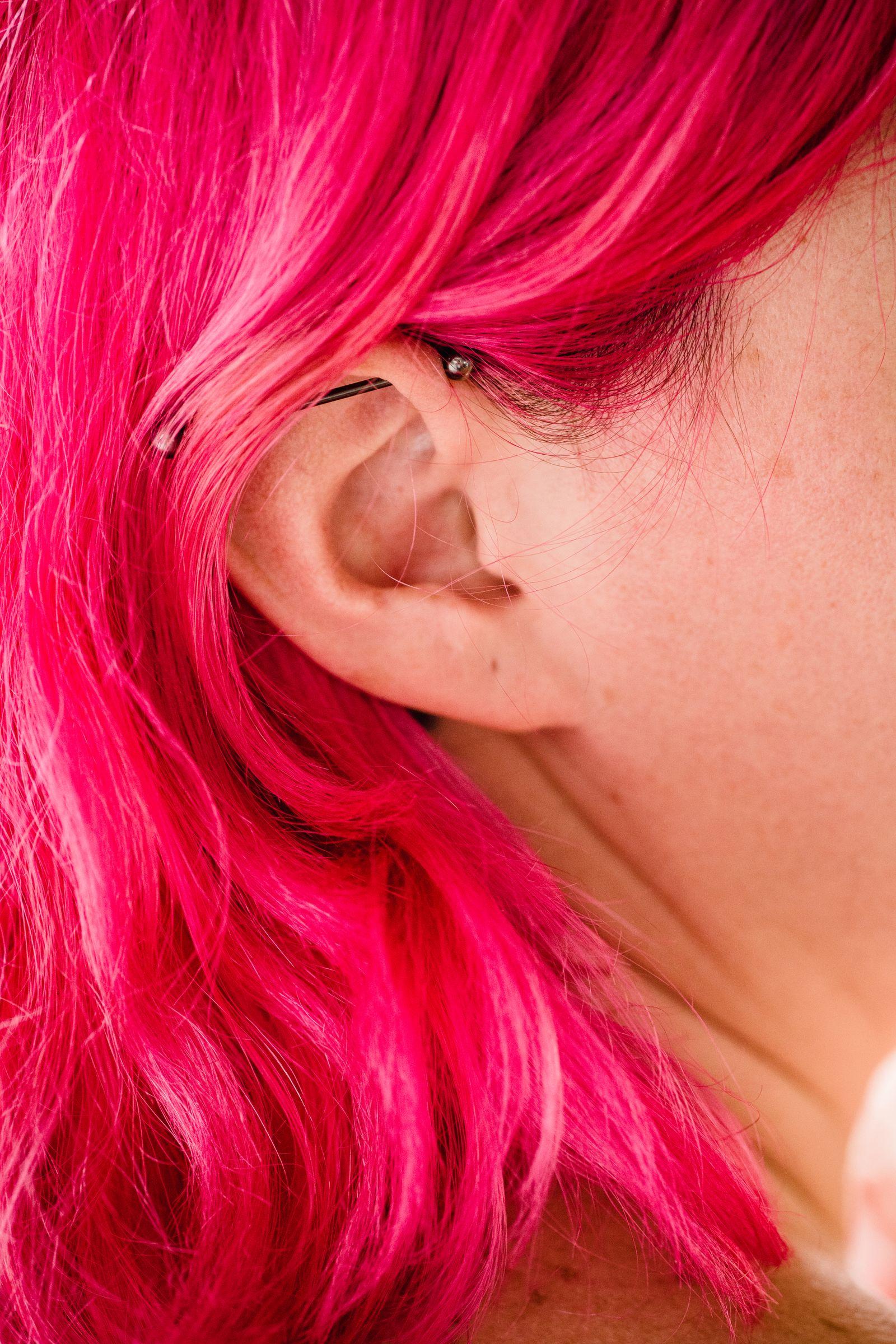
Otoplasty in Dubai: A Complete Guide to Ear Reshaping for Adults and Children
Prominent ears are one of the most common reasons people seek cosmetic surgery, and one of the most misunderstood. The ears do not need to be dramatically different for the person concerned to feel self-conscious about them. A slight outward angle, a fold that did not form fully, or ears that sit unevenly can be enough to make someone avoid certain hairstyles, hats or photographs. Children can be teased about it at school, and adults can carry the same sensitivity for years without ever mentioning it. Otoplasty in Dubai is the surgical procedure that addresses these concerns, and this guide explains what it involves in plain terms.
Otoplasty is not a new or experimental operation. Surgeons have been refining the technique for decades, and the principles are well understood: reshape the cartilage, bring the ear closer to the head, and leave a scar hidden behind the ear. What varies is the detail, and that is where the skill of the surgeon and the quality of the consultation matter most. This article covers the procedure step by step, who it suits, what recovery looks like, and how to judge whether a clinic is offering honest advice.
It is written as an independent guide rather than a recommendation. Otoplasty is elective surgery, and for children in particular the decision involves the whole family. The information here is intended to help patients and parents ask the right questions and make a decision they feel comfortable with, in their own time.
What Otoplasty Involves
The outer ear is made mostly of cartilage covered by skin, and its shape is set early in life. In prominent ears, the inner fold of cartilage, known as the antihelix, is often underdeveloped, so the ear does not fold back towards the head as it should. Sometimes the bowl of the ear, the concha, is also deeper than usual, which pushes the whole ear outwards. Otoplasty corrects these features by reshaping the cartilage and, where needed, removing a small amount of skin behind the ear.
During the operation, the surgeon makes an incision in the crease behind the ear, where the scar will be concealed. The cartilage is then exposed and reshaped, either by scoring it gently so that it bends into a new fold, or by placing permanent stitches that hold the cartilage in the desired shape. Excess skin may be removed, and the incision is closed with fine stitches. A dressing or headband is applied to protect the ears while healing begins.
Adults usually have the operation under local anaesthetic with sedation, which means they are relaxed and comfortable but not fully asleep. Children are usually given a general anaesthetic, since they need to stay still and comfortable throughout. The operation takes around one to two hours, and patients normally go home the same day, provided there are no concerns and a responsible adult is available to look after them.
It is worth noting that otoplasty changes the appearance of the ear and nothing else. It has no effect on hearing, and it is not a treatment for any ear condition or infection. Anyone with hearing concerns should have those assessed separately, and a responsible surgeon will ask about ear health as part of the consultation.
Who Otoplasty Suits
Otoplasty suits adults who have been bothered by the appearance of their ears for a long time and who have a clear idea of what they want to change. It also suits children who are old enough to understand the procedure and who want it for themselves, usually from around five or six years of age, once the ears have nearly finished growing. The child's own wishes matter a great deal: surgery carried out mainly because a parent wants it, when the child is indifferent or reluctant, is rarely a good idea.
The procedure can correct ears that stick out, ears that are larger than average, ears that are uneven, and ears that have been misshapen by injury. It cannot create a perfectly symmetrical pair, because no one's ears are exactly alike, and it cannot change the fundamental shape of the ear beyond what the cartilage allows. A good surgeon will explain these limits during the consultation and will show the patient what a realistic result looks like, rather than promising an ideal outcome.
General health is also part of the assessment. The surgeon will ask about medical history, allergies, medications and any previous ear problems. Smoking can affect healing, and patients who smoke will usually be advised to stop before and after surgery.
The Consultation: What Should Happen
A proper otoplasty consultation is a conversation, not a transaction. The surgeon should examine the ears carefully, looking at the cartilage, the position of the ears relative to the head, and whether both ears need the same treatment. Photographs are usually taken for planning and for the medical record, and the surgeon should explain the technique they would use and why it suits the individual case.
Parents bringing a child should expect the surgeon to speak with the child directly, in simple language, about what will happen and what it will feel like. This is an important part of the process: a child who understands the operation and feels involved in the decision tends to cope better with the recovery. If a clinic seems unwilling to spend time with the child, or rushes the family towards booking, that is a reason to look elsewhere.
The consultation should also cover the risks honestly. These include infection, bleeding, bruising, temporary numbness, and the possibility that the ears may not sit exactly as hoped, or that the cartilage may spring back slightly over time. Revision surgery is sometimes needed, although it is uncommon. The surgeon should explain what would be done if any of these problems occurred, and what the clinic's policy is on follow-up and revision. When comparing providers, a consultation at a well-established clinic such as Enfield Royal Clinic Dubai is a useful benchmark for the depth and honesty of the discussion.
Recovery: What to Expect Week by Week
The first few days after otoplasty are the most uncomfortable. The ears are usually swollen and tender, and some bruising is normal. Pain is generally manageable with simple pain relief, and many patients find that the discomfort settles quickly after the first two or three days. A protective headband is worn over the ears, usually day and night for the first week, to keep them in position and protect them while the cartilage begins to heal.
By the end of the first week, most patients feel well enough to return to school or desk-based work. The headband is then usually worn at night for several more weeks, to protect the ears during sleep. Strenuous exercise, contact sports and activities where the ears might be knocked should be avoided for around four to six weeks.
The final shape of the ears becomes clear gradually, over several weeks, as the swelling resolves. It is normal for the ears to look slightly different from each other during healing, and for one ear to settle more quickly than the other. Follow-up appointments allow the surgeon to check that healing is progressing as expected and to answer any questions. Patients and parents should not hesitate to contact the clinic if something does not feel right, particularly if there is increasing pain, redness or swelling, which can be signs of infection.
How to Choose the Right Clinic for Otoplasty in Dubai
Experience and Qualifications
Ear cartilage behaves differently from other tissues, and reshaping it well requires specific experience. Ask how often the surgeon performs otoplasty and how many ear procedures they have carried out. Confirm the surgeon is licensed by the Dubai Health Authority, and ask about their experience with children if the patient is a child.
Technology and Techniques
Surgeons use different techniques to reshape the cartilage, and the best choice depends on the shape of the ear. Ask the surgeon to explain the technique they would use, why they prefer it, and what the alternatives are. A surgeon who explains the reasoning is one who plans each case individually rather than applying the same method to everyone.
Safety and Hygiene Standards
The operation should take place in a properly equipped surgical facility with anaesthesia support and a clear plan for emergencies. For children, the facility and the anaesthetist should be experienced in paediatric care. Ask about the safety measures in place and what would happen in the unlikely event of a problem.
Consultation and Assessment
The consultation should be unhurried, thorough and honest. The surgeon should examine the ears, discuss the goals, and explain what is achievable and what is not. For children, the consultation should include the child. Be cautious of any clinic that guarantees perfect symmetry, rushes the discussion, or pressures the family to book on the spot.
Patient Experience and Follow-Up
Find out what aftercare is included, how many follow-up appointments are planned, and how the clinic can be reached after hours. Good aftercare is part of the treatment, and clinics that plan follow-up properly tend to manage recovery better.
Expected Results and Limitations
A realistic discussion of results is essential. The ears will be swollen at first, the final shape takes weeks to settle, and perfect symmetry is not achievable. A surgeon who explains these limitations clearly, rather than promising an ideal result, is giving the patient the information needed to make a genuinely informed decision.
Frequently Asked Questions
Is otoplasty painful?
The operation itself is carried out under anaesthetic, so there is no pain during surgery. Afterwards, the ears are usually tender and sore for a few days, and this is normally managed with simple pain relief. Most patients find the discomfort settles quickly. Any pain that increases after the first few days should be reported to the clinic.
How long will my child need off school?
Most children return to school within a week, once the initial swelling and tenderness have settled. They will need to wear the headband, which is usually fine at school, and should avoid contact sports and rough play for around four to six weeks. The school should be told, so teachers can help protect the ears.
Can adults have otoplasty, or is it only for children?
Adults can certainly have otoplasty, and many do. The cartilage is slightly stiffer in adults than in children, which can make the surgery a little more involved, but the principles and the results are the same. There is no upper age limit, provided the patient is in good general health. Adults often have the operation under local anaesthetic with sedation.
What happens if the ears spring back after surgery?
In a small number of cases, the cartilage can spring back towards its original position over time, and the ears may become more prominent again. This is one of the risks the surgeon should discuss before the operation. If it happens, revision surgery may be needed, although the surgeon will usually wait until healing is complete before considering it.
Will the headband be needed for long?
The headband is usually worn day and night for the first week, and then at night for several more weeks. It protects the ears while the cartilage heals and holds them in position, particularly during sleep, when the ears could otherwise be bent or knocked. It is important to follow the surgeon's instructions on this, even if the headband feels inconvenient, because protecting the ears during healing is part of getting a good result.
Conclusion
Otoplasty is a well-established operation that can remove a long-standing source of self-consciousness, for a child who is teased at school or an adult who has avoided certain hairstyles for years. The surgery itself is relatively straightforward, but the decision deserves care: the right surgeon, a thorough consultation, realistic expectations and good aftercare are what make the difference between a satisfactory result and a disappointing one.
The best next step is a consultation with a surgeon who performs ear surgery regularly, where the ears can be examined properly and every question answered honestly. That conversation will show whether ear surgery is the right choice, when the timing is right, and what the recovery will involve, so the decision can be made with confidence rather than in haste.

 Arabic
 French
 Spanish
 Portuguese
 Deutsch
 Turkish
 Dutch
 Italiano
 Russian
 Romaian
 Portuguese (Brazil)
 Greek
