

What to Expect Before, During, and After Laser Tattoo Removal in Dubai
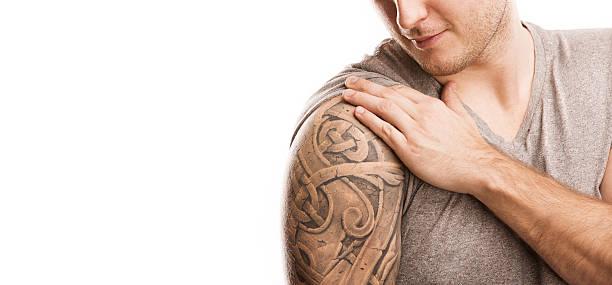
Deciding to remove an unwanted tattoo involves more than choosing a laser appointment. Patients benefit from understanding how the skin is assessed, what happens during treatment, and how to care for the area while it heals. When considering Tattoo Removal in Dubai, knowing what to expect at each stage can make the process more manageable and help establish realistic expectations.
Before Your Tattoo Removal Appointment
Preparation begins with a professional consultation. The specialist examines the tattoo, reviews relevant medical and skin history, and determines whether laser treatment is an appropriate option.
Not every tattoo responds in the same way. Colour, ink depth, density, location, and previous treatment history all influence the plan.
What the Specialist Evaluates
During the initial assessment, the clinician may review:
-
Tattoo size, shape, and location.
-
The number and type of ink colours.
-
Whether the tattoo was applied professionally or by an amateur.
-
The approximate age of the tattoo.
-
Skin tone and tendency toward pigmentation changes.
-
Existing scars, skin conditions, or previous reactions.
-
Any earlier laser-removal sessions.
This information helps determine the appropriate wavelength, energy settings, and likely treatment schedule.
How to Prepare Your Skin
Following the clinic's instructions before treatment can help reduce avoidable irritation.
Common preparation guidance may include:
-
Avoid tanning and excessive sun exposure.
-
Do not apply irritating products to the treatment area unless approved.
-
Keep the skin clean and free from heavy cosmetics or lotions on the appointment day.
-
Tell the clinician about medications, supplements, allergies, and relevant skin conditions.
-
Avoid picking, scratching, or attempting to fade the tattoo at home.
-
Follow any instructions about shaving the treatment area.
Patients should not stop prescribed medication without advice from the prescribing healthcare professional.
Understanding the Laser Tattoo Removal Procedure
Laser tattoo removal uses selected wavelengths of light to target pigment in the skin. The laser energy breaks the ink into smaller particles, which the body gradually processes through its natural clearance mechanisms.
Step-by-Step Treatment Process
Skin assessment and preparation
The clinician checks the tattoo and surrounding skin before cleaning the treatment area. Protective eyewear is provided to protect the eyes from laser exposure.
Comfort measures
Some patients describe the sensation as similar to repeated elastic-band snaps against the skin. Cooling devices or topical numbing methods may be considered depending on the treatment area and individual comfort.
Laser application
The clinician applies controlled laser pulses to the tattoo. The wavelength and settings are selected according to the ink colours, skin tone, and treatment objectives.
Immediate skin response
The treated area may develop temporary whitening, redness, swelling, or pinpoint bleeding. These reactions vary and should be monitored by the treating professional.
Aftercare instructions
Before leaving, the patient receives guidance on keeping the area clean, protecting it from friction, and recognising signs that require medical attention.
What Does Tattoo Removal in Dubai Feel Like
The sensation varies from person to person. Factors such as tattoo location, size, skin sensitivity, laser settings, and individual pain tolerance can influence comfort.
Areas with thinner skin or greater sensitivity may feel more uncomfortable than areas with more underlying tissue.
A cooling system may be used to improve comfort during treatment. In some cases, a suitable numbing option may be discussed in advance.
Patients should communicate with the clinician if the discomfort feels excessive.
What Happens Immediately After Treatment
The skin may look different immediately after laser exposure. Temporary whitening, also called frosting, can occur as a reaction to the rapid interaction between laser energy and tissue.
Other possible short-term effects include:
-
Redness around the tattoo.
-
Mild swelling or tenderness.
-
Small blisters.
-
Pinpoint bleeding.
-
Temporary crusting as the skin heals.
Not everyone experiences all these effects. The reaction depends on the treatment settings, tattoo characteristics, and individual skin response.
Is Frosting a Sign of Successful Removal
Frosting is a temporary whitening response that can occur during laser treatment. It is not a reliable measure of how much ink has been removed or a guarantee of the final result.
The actual fading process continues over time as the body clears fragmented pigment.
Recovery and Healing After Laser Treatment
Recovery is an important part of the tattoo-removal process. The skin needs time to settle after each session, while the immune system gradually processes the fragmented ink.
Caring for the Treated Area
Follow the specific aftercare instructions provided by the clinic. General recommendations may include:
-
Keep the area clean and follow any dressing instructions.
-
Avoid scratching, picking, or removing scabs.
-
Do not deliberately burst blisters.
-
Avoid tight clothing or repeated friction over the treated area.
-
Protect the skin from direct sunlight.
-
Avoid swimming pools, hot tubs, and activities that expose an open treatment area to contaminated water until it has healed.
-
Use only recommended skincare products.
If the area becomes increasingly painful, develops spreading redness, produces pus, or shows other signs of infection, seek medical advice promptly.
How Long Does the Healing Process Take
The visible skin reaction often improves over days to a few weeks, depending on the intensity of treatment and individual healing. However, pigment clearance takes considerably longer.
Treatment sessions are usually spaced several weeks apart. This interval allows the skin to recover and gives the body time to process ink particles.
Patients should not schedule additional sessions simply because the tattoo remains visible shortly after treatment.
Why Patience Matters Between Sessions
Repeated laser exposure before the skin has recovered can increase irritation and the risk of complications. Waiting for the recommended interval supports safer treatment planning.
The clinician may adjust the next session based on how the skin responded and how much fading has occurred.
Possible Risks and Side Effects
Laser tattoo removal is widely used, but it is not free from risks. Possible effects include:
-
Temporary redness and swelling.
-
Blistering or crusting.
-
Changes in skin pigmentation.
-
Scarring or texture changes.
-
Infection if the treated skin is not cared for properly.
-
Incomplete removal or residual pigment.
-
Darkening of certain cosmetic or light-coloured pigments.
A consultation helps identify individual risk factors and determine whether treatment is appropriate.
Clinic Note: Successful treatment involves both suitable laser settings and responsible aftercare. Patients should allow the skin to heal fully between sessions and avoid judging the final result immediately after an appointment.
Frequently Asked Questions
Can I return to work after laser tattoo removal?
Many people can return to routine activities, depending on the treated area and the skin's reaction. Activities that cause friction, sweating, or contamination may need temporary adjustment.
Should I remove the dressing after treatment?
Follow the clinician's instructions. Dressing requirements depend on the treatment response and whether the skin has blistered or developed an open area.
When will I see tattoo fading?
Fading develops gradually over the weeks following treatment. The body needs time to process the fragmented pigment.
Can I expose the treated area to sunlight?
Avoid direct sun exposure during healing and follow the clinician's sun-protection advice. Sun exposure can increase the risk of unwanted pigmentation changes.
Plan Your Tattoo Removal Journey With Care
Understanding each stage of treatment can help patients approach laser tattoo removal with realistic expectations. Tajmeels Clinic provides laser-based aesthetic treatment options in Dubai, with an assessment-led approach to selecting suitable treatment methods and aftercare guidance.

 English
 Arabic
 French
 Spanish
 Portuguese
 Deutsch
 Turkish
 Italiano
 Russian
 Romaian
 Portuguese (Brazil)
 Greek
