

How to Choose the Right Rhinoplasty Approach in Dubai
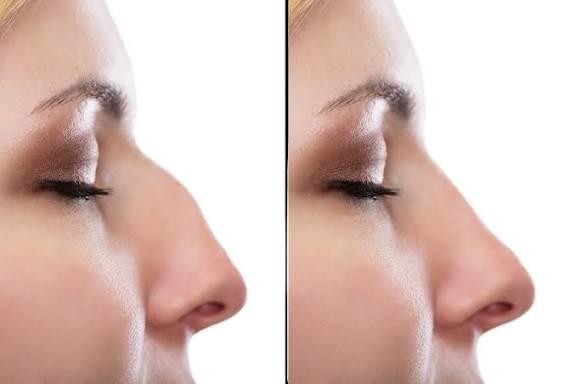
Choosing a rhinoplasty approach involves more than deciding whether to change the bridge, tip, or width of the nose. The method used during surgery can influence how the nasal structures are accessed, adjusted, and supported. Each person's anatomy is different, so an approach that suits one patient may not be appropriate for another.
When considering Rhinoplasty Surgery in Dubai, patients should understand the factors that guide surgical planning. These include the existing nasal framework, skin characteristics, breathing function, previous procedures, and the amount of reshaping required.
Start by Identifying Your Main Nasal Concern
The first step is understanding what you want to improve. Some people are concerned about a prominent bridge, while others want to address a rounded tip, wide nostrils, or a crooked appearance.
It is helpful to describe the specific feature that concerns you rather than focusing only on a general desire for a different nose shape. This makes it easier to discuss realistic options and understand which structural changes may be possible.
If breathing difficulty is also present, it should be discussed separately because functional correction may require additional planning.
Consider Whether Open or Closed Rhinoplasty Is Suitable
Open and closed rhinoplasty provide different ways to access the nasal framework. Open rhinoplasty uses an additional small incision across the columella, allowing the surgeon to lift the skin and view the underlying structures directly.
Closed rhinoplasty uses incisions inside the nostrils. It may be appropriate for selected adjustments where extensive exposure is not necessary.
Neither method is universally superior. The choice depends on the complexity of the correction, the surgeon's assessment, and the level of access required to achieve the planned changes.
Understand the Importance of Your Nasal Anatomy
The internal structure of the nose has a major influence on which approach may be appropriate. Bone shape, cartilage strength, septal alignment, and the condition of the nasal valves all contribute to the overall framework.
For example, a patient requiring detailed structural reconstruction may need a different surgical plan from someone seeking a limited adjustment to the nasal bridge.
A proper examination helps identify the features that can be modified while maintaining sufficient support for the nose.
Take Skin Thickness Into Account
Skin thickness affects how the final nasal shape appears after surgery. Thicker skin can make fine tip definition more difficult to achieve and may retain swelling for a longer period.
Thinner skin may show more detail, but small irregularities in the underlying framework can also become more noticeable.
The surgical approach should account for these differences. A realistic plan considers the relationship between the skin and the cartilage beneath it rather than promising a particular shape regardless of anatomy.
Decide Whether Cosmetic or Functional Correction Is Needed
Rhinoplasty may be considered for appearance-related concerns, breathing difficulties, or a combination of both. Cosmetic changes can involve the bridge, tip, projection, or nasal width.
Functional treatment may address a deviated septum, narrowed nasal valves, or other structural problems affecting airflow. In some cases, cosmetic and functional corrections can be planned together.
A breathing assessment is important before selecting an approach because improving external appearance should not compromise nasal function.
Consider Previous Nose Surgery or Injury
A history of nasal surgery or trauma can make treatment planning more complicated. Previous procedures may change the available cartilage, create scar tissue, or affect the strength of the nasal framework.
Revision rhinoplasty may require additional structural support or grafting, depending on the condition of the nose. Similarly, an injury can create changes that are not immediately visible from the outside.
Sharing a complete medical and surgical history helps the treatment team understand these factors before recommending an approach.
Discuss Your Expected Results Clearly
Patients should explain what they hope to achieve while remaining open to professional guidance about what is realistic. Reference photographs may help communicate preferences, but they should not be treated as exact templates.
Facial proportions, skin characteristics, and nasal structure differ between individuals. A shape that looks balanced on another person may not suit your features.
A useful discussion should cover the expected degree of change, possible limitations, recovery, and potential risks.
Ask About Surgical Risks and Recovery
Every surgical approach has possible risks. These may include bleeding, infection, swelling, changes in sensation, breathing difficulties, asymmetry, or dissatisfaction with the appearance.
Recovery requirements also depend on the extent of the procedure. Patients should understand activity restrictions, follow-up appointments, nasal protection, and the gradual timeline for swelling to settle.
Asking clear questions before surgery helps avoid unrealistic expectations and supports informed decision-making.
Why Individualized Planning Matters
There is no single rhinoplasty method that works best for everyone. The appropriate approach should be selected after evaluating the complete nasal structure and understanding the patient's priorities.
A detailed plan balances cosmetic goals with structural stability and breathing function. It should also acknowledge limitations rather than promising perfect symmetry or a guaranteed outcome.
Final Thoughts on Choosing a Rhinoplasty Approach in Dubai
Selecting a suitable rhinoplasty approach requires careful consideration of nasal anatomy, skin thickness, functional needs, and personal expectations. Understanding these factors helps patients take a more informed approach to surgical planning. Those exploring Rhinoplasty Surgery in Dubai can learn about available options through TAJMEELS CLINIC while prioritizing individualized assessment, realistic goals, and long-term nasal health.
For More Details, Contact Us Through:
WhatsApp: +971 56 203 8751
Phone: +971 4 373 9000
Social Media:

 English
 Arabic
 French
 Spanish
 Portuguese
 Deutsch
 Turkish
 Dutch
 Russian
 Romaian
 Portuguese (Brazil)
 Greek
