

Choosing the Right Carhartt Jacket for Work
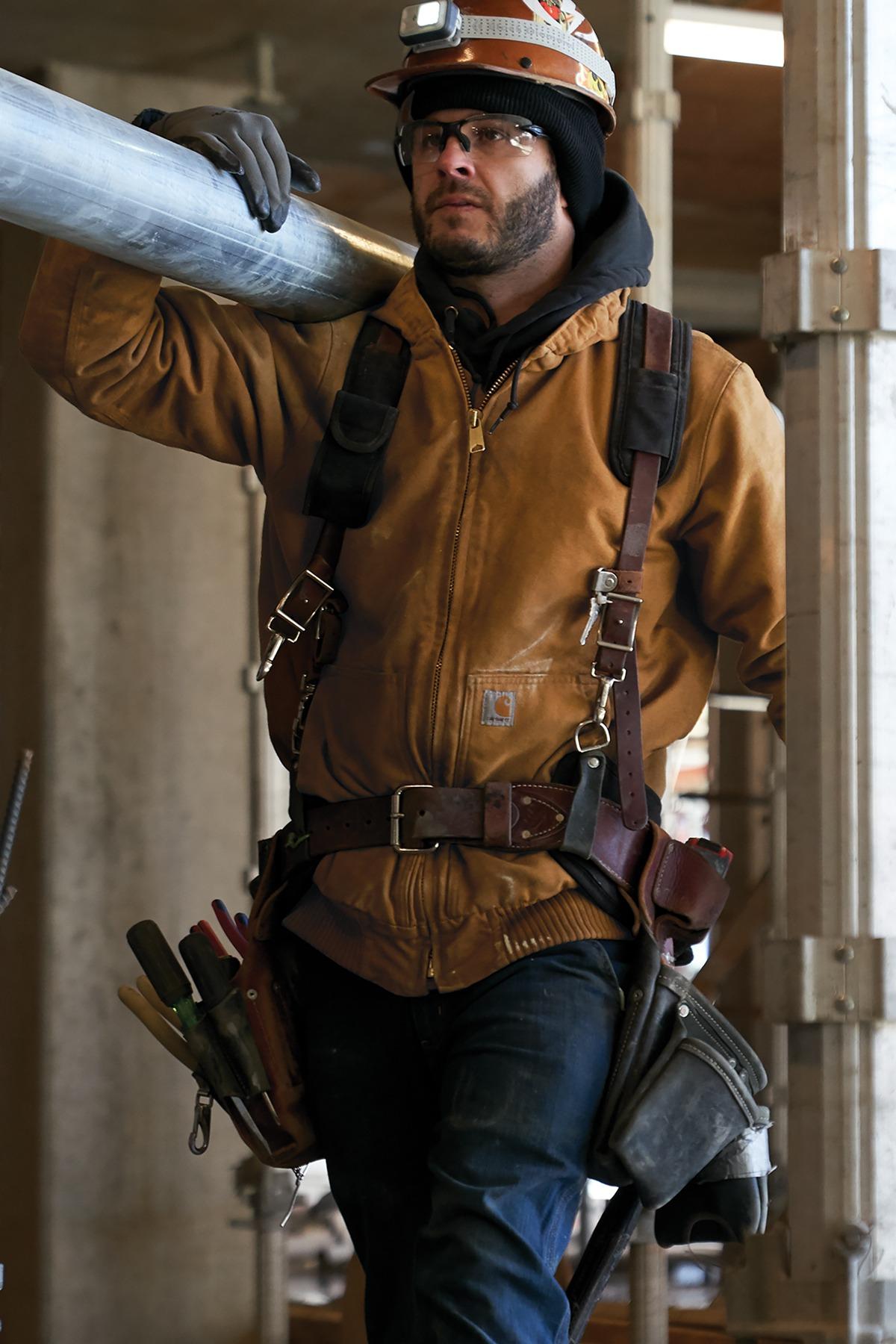
Choosing a work jacket is not just about finding something that looks good. The right jacket should handle your daily tasks, provide enough comfort throughout the day, and stand up to regular wear. Whether you work on a construction site, spend time outdoors, handle warehouse duties, or need reliable clothing for everyday jobs, your choice of outerwear matters. Carhartt jackets are known for their practical workwear styling and range of designs. However, different jobs require different features. Understanding materials, insulation, fit, and construction can help you choose a jacket that suits your working conditions.
Consider the Type of Work You Do
Before choosing a jacket, think about where and how you will use it. Someone working outdoors in cold weather has different needs than someone working inside a warehouse or moving between indoor and outdoor spaces.
For construction work, a sturdy canvas jacket with a comfortable fit can be a useful option. Canvas is a tightly woven fabric that offers a substantial feel and is commonly used https://carhartt-jacket.com/ in traditional workwear. For warehouse jobs, a lighter jacket may be more practical because heavy insulation can become uncomfortable during physical activity.
If your work involves frequent movement, look for a design that allows you to bend, reach, and lift without feeling restricted. Your working environment should guide your decision more than appearance alone.
Understand the Different Jacket Materials
The fabric plays an important role in how a work jacket feels and performs. Many traditional workwear jackets use cotton duck canvas because of its firm construction and rugged texture.
Cotton Duck Canvas
Duck canvas is a tightly woven cotton fabric designed for regular use. It has a sturdy feel and can be suitable for demanding everyday activities. However, it may feel stiff when new, gradually becoming more comfortable with wear.
Insulated and Lined Materials
For colder working conditions, consider jackets with quilted insulation, fleece, or sherpa-style linings. These materials add warmth without requiring several bulky layers underneath.
Think about moisture as well. Standard cotton canvas is not automatically waterproof, so workers exposed to heavy rain may need a suitable water-resistant outer layer.
Choose the Right Insulation for Your Environment
Temperature is one of the most important factors when selecting workwear. A heavily insulated jacket may be comfortable during freezing mornings but uncomfortable when working hard throughout the afternoon.
For cold outdoor environments, an insulated jacket can help retain body heat. Sherpa-lined options provide additional warmth, while quilted linings offer another practical choice for cooler conditions.
If your job involves regular physical activity, a lighter jacket with room for layering may be more comfortable. You can add a thermal shirt or sweatshirt when temperatures drop and remove a layer when you become warmer.
Consider how long you spend outdoors, whether you work in windy conditions, and how much physical effort your job requires.
Get a Comfortable Fit for Daily Movement
A work jacket should provide enough room for movement without becoming excessively loose. A jacket that feels comfortable while standing still may become restrictive when you reach overhead, bend down, or carry equipment.
Check the shoulder width, sleeve length, and body fit before choosing a size. Your arms should move naturally, and the sleeves should provide adequate coverage when reaching forward.
If you regularly wear a hoodie or sweatshirt underneath, account for those extra layers when selecting your size. However, avoid choosing an unnecessarily oversized jacket because excess fabric can get in the way during certain tasks.
A practical workwear fit should balance freedom of movement, coverage, and comfort.
5. Look for Useful Workwear Features
Small design details can make a noticeable difference during a working day. Before purchasing a jacket, consider which features will actually help with your routine.
Look for practical pockets that provide convenient storage for everyday essentials. Strong closures, comfortable cuffs, and a suitable collar can also improve everyday usability.
Reinforced stitching and durable construction are worth considering if your work involves regular contact with tools, materials, or rough surfaces. A secure front closure is useful in windy conditions, while adjustable features can help improve the fit.
Remember that extra features are only valuable when they serve a purpose. A simple jacket with the right construction may be more useful than one with unnecessary details.
Match Your Jacket with Practical Work Clothing
Your jacket should work comfortably with the rest of your workwear. Straight-leg work trousers, durable denim, and relaxed-fit cargo pants are common combinations for practical everyday outfits.
For colder days, wear a thermal base layer beneath a sweatshirt or hoodie. Pair the outfit with appropriate work boots that provide the protection and traction required for your job.
Color is another consideration. Brown, black, navy, and olive jackets are relatively easy to combine with neutral work trousers and everyday footwear.
If your workplace requires high-visibility clothing, protective equipment, or flame-resistant garments, make sure your outerwear meets the relevant workplace requirements. A fashionable workwear jacket is not a substitute for certified protective clothing.
Take Care of Your Jacket to Extend Its Use
Regular maintenance helps keep a work jacket in reasonable condition. Dust, mud, grease, and everyday dirt can build up quickly, especially when working outdoors.
Check the manufacturer's care instructions before washing. Different fabrics, linings, and insulation materials may require different cleaning methods. For minor dirt, a soft brush or damp cloth may be sufficient.
Allow wet jackets to dry properly before storing them. Avoid excessive heat, which can damage certain materials and components. It is also worth checking seams, cuffs, zippers, and pockets occasionally for signs of wear.
If you notice a loose stitch or minor tear, repairing it early can help prevent further damage. Proper care will not make a jacket last forever, but it can help maintain its usefulness over time.
Frequently Asked Questions
- Which Carhartt jacket is best for construction work?
- A sturdy canvas jacket with a suitable fit and insulation is a practical option, depending on the weather and job requirements.
2. Are Carhartt jackets suitable for outdoor work?
Yes, many styles are designed with practical workwear features, but the right choice depends on weather exposure and working conditions.
3. Should I choose an insulated or unlined work jacket?
Choose insulation for colder environments and an unlined design when lighter coverage and easier layering are more important.
4. How should a work jacket fit?
It should allow comfortable movement while leaving enough room for the layers you normally wear underneath.
5. How can I make my work jacket last longer?
Follow its care instructions, clean it regularly, dry it properly, and repair minor damage before it becomes worse.

 English
 Arabic
 French
 Spanish
 Portuguese
 Deutsch
 Turkish
 Dutch
 Italiano
 Russian
 Romaian
 Portuguese (Brazil)
