

Buccal Fat Removal in Dubai: Temporary Swelling
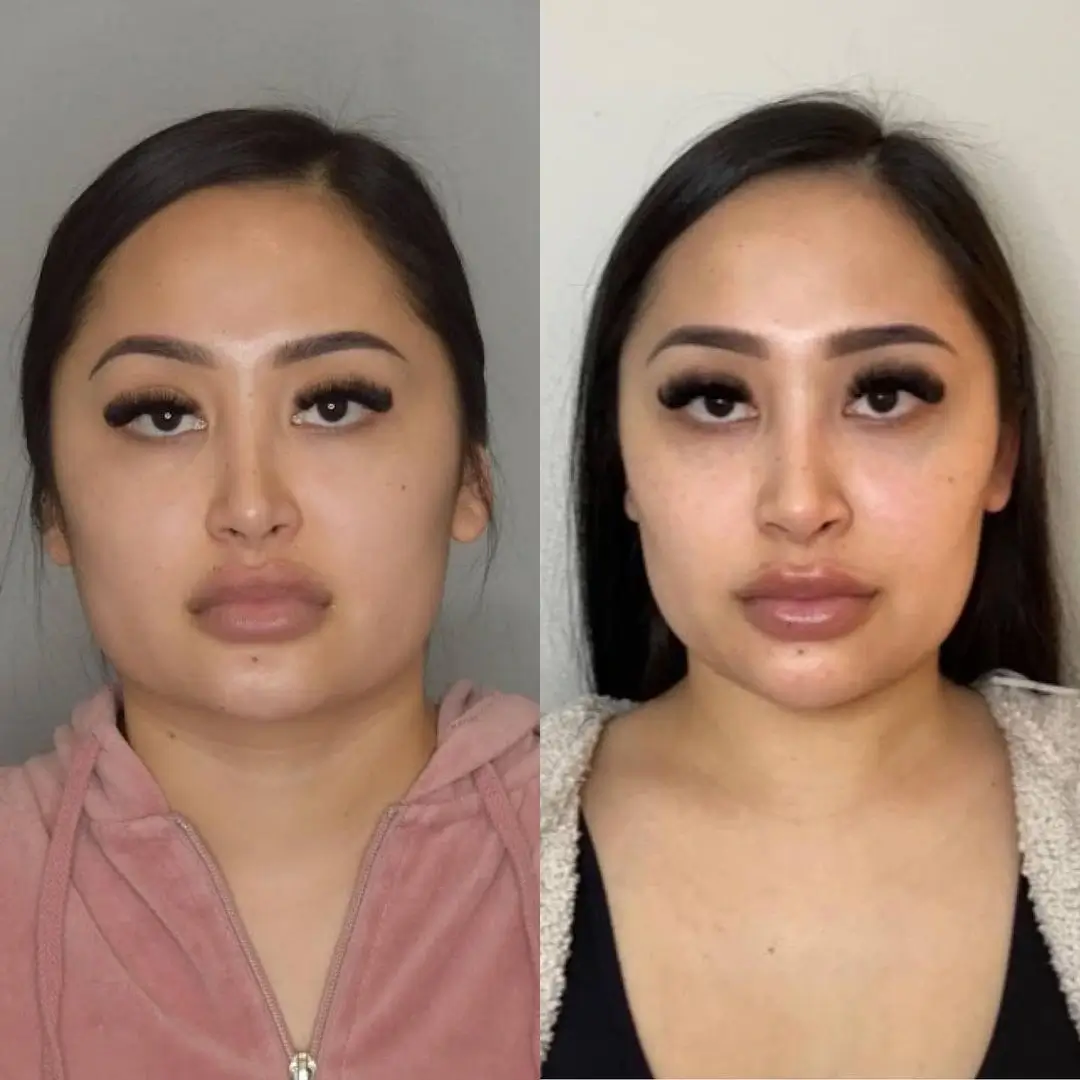
Buccal fat removal is a cosmetic surgical procedure designed to reduce fullness in the lower cheeks and create a slimmer, more defined facial appearance. While the procedure can help selected individuals achieve more sculpted facial contours, temporary swelling is a normal part of the healing process. Understanding why swelling occurs, how long it may last, and which aftercare measures can help is important for anyone considering this treatment.
Many individuals researching Buccal fat removal Dubai want to understand what their faces will look like immediately after surgery and when they can expect to notice the intended results. It is important to remember that the initial appearance may not reflect the final outcome. Swelling can temporarily make the cheeks appear fuller, uneven, or slightly different from their expected shape.
Dubai offers various cosmetic surgery options, but patients should prioritize professional medical guidance, appropriate surgical planning, and postoperative support. Knowing what to expect during recovery can help patients approach the procedure with realistic expectations and greater confidence.
Buccal Fat Removal in Dubai: Why Does Temporary Swelling Occur?
Temporary swelling is a natural response to surgical treatment. During buccal fat removal, the surgeon accesses the buccal fat pads through small incisions, commonly made inside the mouth. The surrounding tissues may experience temporary irritation and inflammation as part of the procedure.
For individuals considering Buccal fat removal in dubai, understanding this healing response can make the initial recovery period less stressful.
Swelling occurs because the body's immune and repair systems respond to the surgical intervention. Blood flow increases around the treated tissues, and fluid may temporarily accumulate as the body begins the healing process.
What Causes Swelling After the Procedure?
Several factors contribute to postoperative swelling, including:
· Surgical manipulation of the cheek tissues.
· Natural inflammatory responses.
· Temporary fluid accumulation.
· Individual healing characteristics.
· The extent of fat removal.
· Sensitivity of the surrounding tissues.
The amount of swelling differs between patients. Some individuals experience mild fullness, while others notice more pronounced swelling during the first few days.
Is Swelling a Normal Part of Recovery?
Yes. Mild to moderate swelling is generally expected after buccal fat removal. It is part of the body's natural response to surgery.
However, patients should understand that not every type of swelling is normal. Increasing swelling, severe pain, fever, unusual discharge, or significant redness may indicate a complication and should be assessed by a medical professional.
How Long Does Temporary Swelling Last After Buccal Fat Removal?
The duration of swelling depends on individual healing, surgical technique, and the extent of treatment. Although initial swelling often improves within the first one to two weeks, some residual inflammation may take several weeks or longer to resolve.
Understanding the different recovery stages helps patients recognize what changes may occur.
First 24 to 48 Hours: Initial Swelling
Swelling may become noticeable shortly after surgery and can increase during the first two days.
Patients may experience:
· Fuller-looking cheeks.
· Mild tenderness.
· Discomfort around the surgical areas.
· Sensitivity inside the mouth.
· Temporary difficulty chewing certain foods.
The surgeon may recommend cold compresses, prescribed medication, and adequate rest.
Patients should follow specific instructions about how and when to apply cold compresses rather than applying ice directly to the skin.
Days 3 to 7: Early Healing
During the first week, swelling may remain noticeable. Some patients begin experiencing gradual improvement, while others may continue to have facial fullness.
The cheeks may appear slightly uneven during this period because each side of the face can heal differently.
Patients should continue following dietary recommendations, maintain oral hygiene, and avoid unnecessary physical activity.
Weeks 2 to 3: Gradual Reduction in Swelling
Many patients notice considerable improvement during the second and third weeks.
As inflammation decreases, the lower cheek area may begin showing more natural contours.
However, minor swelling or tissue firmness can remain. Patients should not assume that the final result has already developed.
Weeks 4 to 6: More Defined Facial Contours
During this stage, swelling often becomes less noticeable, and patients may have a clearer idea of their developing facial appearance.
The treated area continues healing, and facial contours gradually settle.
Three to Six Months: Final Appearance
Some patients may require several months for residual swelling and internal tissue changes to settle completely.
The final result should be evaluated after an appropriate healing period, according to the surgeon's advice.
What Does Normal Swelling Look Like?
Understanding the difference between expected swelling and concerning symptoms is important during recovery.
Normal postoperative swelling may involve mild or moderate fullness around the lower cheeks. The area may feel slightly tender, and the cheeks may temporarily appear rounder than expected.
Some patients also experience minor differences between the two sides of their faces.
Can One Cheek Be More Swollen Than the Other?
Yes. Temporary differences in swelling can occur because the two sides of the face do not always heal at exactly the same rate.
However, noticeable or worsening asymmetry should be discussed with the surgeon, particularly if it is accompanied by pain, fever, or other unusual symptoms.
Can Swelling Make the Face Look Bigger After Surgery?
Yes. During the initial recovery period, swelling may make the cheeks appear fuller than before surgery.
This is temporary and does not necessarily indicate that the procedure has failed.
Patients should allow sufficient healing time before assessing the aesthetic outcome.
Best Buccal Fat Removal Surgeon in Dubai: The Importance of Postoperative Care
Selecting an appropriately qualified surgeon is essential not only for the procedure itself but also for understanding and managing recovery.
Patients researching Best Buccal fat removal Surgeon in dubai options should consider professional qualifications, relevant surgical experience, facility standards, and postoperative support.
A responsible surgeon should explain what type of swelling is expected, provide appropriate aftercare instructions, and remain available to address concerns during recovery.
Why Is Professional Monitoring Important?
Postoperative monitoring allows the medical team to evaluate healing and identify potential complications.
During follow-up appointments, the surgeon may assess:
· Swelling and inflammation.
· Healing of the internal incisions.
· Signs of infection.
· Facial symmetry.
· Discomfort and tenderness.
· Progress toward expected results.
These assessments help patients understand whether their recovery is progressing appropriately.
What Should Patients Ask During Consultation?
Before surgery, patients should ask:
1. How much swelling should I expect?
2. How long will the initial swelling last?
3. What can I do to manage discomfort?
4. When can I return to work?
5. Which symptoms require immediate medical attention?
6. When should I attend follow-up appointments?
Having these questions answered beforehand can make the recovery experience more predictable.
Practical Aftercare Tips to Help Manage Temporary Swelling
Following the surgeon's instructions is one of the most important parts of postoperative recovery. Although swelling cannot always be prevented, appropriate care may help patients remain comfortable and support normal healing.
1. Apply Cold Compresses as Directed
Cold compresses may help manage early swelling and discomfort when used according to medical instructions.
Patients should avoid applying ice directly to the skin or placing excessive pressure on the treated area.
The surgeon should explain the recommended application method and duration.
2. Keep Your Head Elevated
Keeping the head slightly elevated while resting or sleeping may help reduce fluid accumulation around the face.
Patients can discuss suitable sleeping positions with their surgeon, especially during the first few days.
3. Follow a Soft-Food Diet
Because the surgical incisions are generally inside the mouth, chewing may be uncomfortable during early recovery.
Soft foods may include:
· Yogurt.
· Mashed potatoes.
· Smooth soups.
· Soft scrambled eggs.
· Well-cooked vegetables.
· Smoothies.
Patients should avoid foods that irritate the surgical areas or require excessive chewing until their surgeon approves a normal diet.
4. Maintain Proper Oral Hygiene
Oral hygiene is particularly important because the incisions are located inside the mouth.
Patients should follow the recommended brushing and rinsing routine and use any prescribed mouthwash as instructed.
Aggressive brushing around the healing areas should be avoided.
5. Stay Hydrated
Drinking sufficient water supports general health and normal bodily functions during recovery.
Patients should follow any specific instructions provided by their medical team regarding drinking and eating after surgery.
6. Avoid Strenuous Exercise
Intense physical activity can increase blood flow and may worsen swelling or bleeding during early recovery.
Patients should avoid strenuous exercise until their surgeon confirms that it is safe to resume normal activities.
7. Avoid Smoking and Alcohol
Smoking can interfere with normal tissue healing and increase the risk of complications.
Alcohol may interact with prescribed medications and should be avoided according to medical advice.
8. Take Prescribed Medication Correctly
Patients should follow medication instructions carefully.
They should not independently increase doses, combine medications, or discontinue prescribed treatment without consulting their healthcare professional.
Buccal Fat Removal Cost in Dubai: Understanding Recovery-Related Expenses
Financial planning is another important part of preparing for cosmetic surgery. Patients should understand not only the initial surgical fee but also the potential costs associated with postoperative care.
When researching Buccal fat removal Cost in dubai, patients should request a detailed quotation explaining which services are included.
What Services May Be Included in the Treatment Package?
Depending on the clinic and treatment arrangement, the package may include:
· Initial consultation.
· Surgeon's professional fee.
· Surgical facility charges.
· Anesthesia.
· Postoperative assessments.
· Follow-up consultations.
· Medication guidance.
Patients should confirm these details before scheduling surgery because treatment packages differ between providers.
Can Additional Recovery Costs Occur?
Additional expenses may arise if patients need extra consultations, investigations, medication, or treatment for unexpected complications.
Patients should ask about possible additional charges and understand the clinic's policies regarding postoperative care.
Does a Higher Treatment Cost Guarantee Better Recovery?
No. A higher price does not automatically guarantee faster healing or better results.
Patients should consider medical qualifications, surgical experience, appropriate facilities, safety standards, and the availability of postoperative support when comparing providers.
Choosing a Suitable Buccal Fat Removal Clinic in Dubai
The medical facility plays an important role in the overall patient experience. Patients should evaluate the clinic's professional standards and ability to provide appropriate postoperative care.
When researching a buccal fat removal clinic in dubai, consider the following factors.
Qualified Medical Professionals
The surgeon should have appropriate specialist qualifications, relevant surgical experience, and the necessary professional authorization to perform cosmetic surgery in Dubai.
Patients should verify credentials rather than relying exclusively on online advertising.
Proper Surgical Facilities
The procedure should be performed in a suitable licensed medical facility with appropriate surgical equipment, hygiene standards, and emergency arrangements.
Clear Postoperative Instructions
A suitable clinic should explain how to manage swelling, maintain oral hygiene, follow dietary recommendations, and recognize possible complications.
Availability of Follow-Up Support
Patients should know whom to contact if they experience unexpected symptoms.
Access to appropriate postoperative assessment can help identify concerns early and provide reassurance throughout recovery.
When Should Swelling Become a Concern?
Although temporary swelling is expected, patients should never ignore symptoms that appear unusual or become progressively worse.
Certain signs may indicate infection, bleeding, or another postoperative complication.
Warning Signs to Watch For
Patients should contact their medical team promptly if they experience:
· Swelling that continues to worsen.
· Severe or increasing pain.
· Fever or chills.
· Pus or unusual discharge.
· Persistent bleeding.
· Increasing redness or warmth.
· Significant or worsening facial asymmetry.
Difficulty breathing or swallowing requires immediate emergency medical attention.
Patients should not attempt to treat suspected complications independently or wait for a routine follow-up appointment when urgent symptoms are present.
How Swelling Influences Final Facial Results
Temporary swelling can make it difficult to evaluate the outcome of buccal fat removal during the early recovery period.
As the inflammation decreases, the facial contours gradually become clearer.
Patients should understand that the final appearance depends on several factors, including the original cheek volume, surgical technique, amount of fat removed, skin elasticity, and natural healing.
Can Swelling Affect Facial Symmetry?
Yes. Uneven swelling may temporarily create differences between the two cheeks.
These differences often improve as healing progresses, but persistent asymmetry should be assessed by the surgeon.
Does Swelling Mean the Procedure Was Unsuccessful?
No. Swelling is a normal healing response and does not automatically indicate an unsuccessful outcome.
Patients should allow adequate recovery time before judging the results.
Can Excessive Fat Removal Cause Long-Term Hollowing?
Yes. Excessive removal may create an overly hollow appearance, particularly as natural facial volume decreases with age.
This is why conservative surgical planning and appropriate patient selection are important.
The Importance of Medical Expertise and Patient Education
Patients researching aesthetic procedures often encounter numerous clinics, doctors, promotional offers, and online recommendations.
Individuals searching for Best doctors in dubai should prioritize verified qualifications, relevant experience, patient safety, and transparent medical advice.
Perfect Doctors Clinic is a name prospective patients may encounter while researching cosmetic treatments. Patients should independently evaluate its available services, medical team, facility standards, and postoperative care arrangements before selecting a provider.
Similarly, searches for Best buccal fat removal surgeons in Dubai should focus on professional expertise and verifiable credentials rather than marketing claims alone.
Some individuals may also encounter the phrase dr perfect celebrity when exploring cosmetic-related online content. However, celebrity associations and promotional popularity should never replace proper medical evaluation.
The most important considerations are individual suitability, appropriate surgical planning, and access to professional postoperative care.
FAQs About Temporary Swelling After Buccal Fat Removal
1. Is Swelling Normal After Buccal Fat Removal?
Yes. Mild to moderate swelling is a common part of the healing process because the body naturally responds to surgical intervention.
2. How Many Days Does Initial Swelling Last?
Initial swelling may be most noticeable during the first few days and often begins improving during the first one to two weeks. Some residual swelling may last longer.
3. Can Swelling Make My Cheeks Look Bigger?
Yes. Temporary inflammation can make the cheeks appear fuller than expected. This does not necessarily reflect the final surgical outcome.
4. Is Uneven Swelling Normal?
Some temporary differences between the cheeks may occur because healing does not always progress equally on both sides. Persistent or worsening asymmetry should be assessed.
5. Can I Use Ice to Reduce Swelling?
Cold compresses may help manage early swelling when used according to the surgeon's instructions. Ice should not be applied directly to the skin.
6. When Can I Return to Work?
Many patients resume light activities within several days to approximately one week, depending on their recovery and the nature of their work.
7. Can Exercise Make Swelling Worse?
Strenuous exercise may increase blood flow and potentially worsen swelling during early recovery. Patients should wait for medical clearance before returning to intense activities.
8. When Will My Final Facial Shape Become Visible?
Initial changes may become noticeable within a few weeks, but final facial contours can take several months to develop.
9. What Should I Do If Swelling Suddenly Increases?
Contact your surgeon promptly, especially if swelling is accompanied by pain, fever, bleeding, or unusual discharge. Difficulty breathing or swallowing requires emergency medical attention.
10. Can Swelling Return After It Has Improved?
Some temporary fluctuations may occur during healing. However, new or progressively worsening swelling should be evaluated by a medical professional rather than assumed to be normal.
Conclusion
Temporary swelling is a common part of recovery after buccal fat removal. It occurs because the body naturally responds to surgical treatment by initiating inflammation and tissue repair.
Although swelling may make the cheeks appear fuller during the early stages, it generally improves gradually as healing progresses. Most patients notice changes over the first few weeks, while the final facial appearance may take several months to develop.
Following postoperative instructions, maintaining oral hygiene, eating suitable foods, avoiding strenuous activities, and attending follow-up appointments can help support the recovery process.
Choosing an appropriately qualified surgeon and understanding the difference between normal healing and potential complications are equally important. Patients should prioritize professional guidance and realistic expectations throughout their cosmetic surgery journey.
Final Thoughts
Understanding temporary swelling before undergoing buccal fat removal can help patients prepare for recovery with greater confidence. The initial appearance may not represent the final result, so patience and consistent aftercare are essential.
Every individual heals differently, and the recovery experience depends on personal health, surgical technique, and the extent of treatment. Patients should communicate openly with their surgeon and seek medical advice whenever symptoms become concerning.
Ultimately, successful cosmetic care involves more than achieving slimmer facial contours. It also requires prioritizing safety, allowing sufficient healing time, and maintaining realistic expectations about the final outcome.

 English
 Arabic
 French
 Spanish
 Deutsch
 Turkish
 Dutch
 Italiano
 Russian
 Romaian
 Portuguese (Brazil)
 Greek
