

Common CAN Network Faults and Effective Troubleshooting Methods
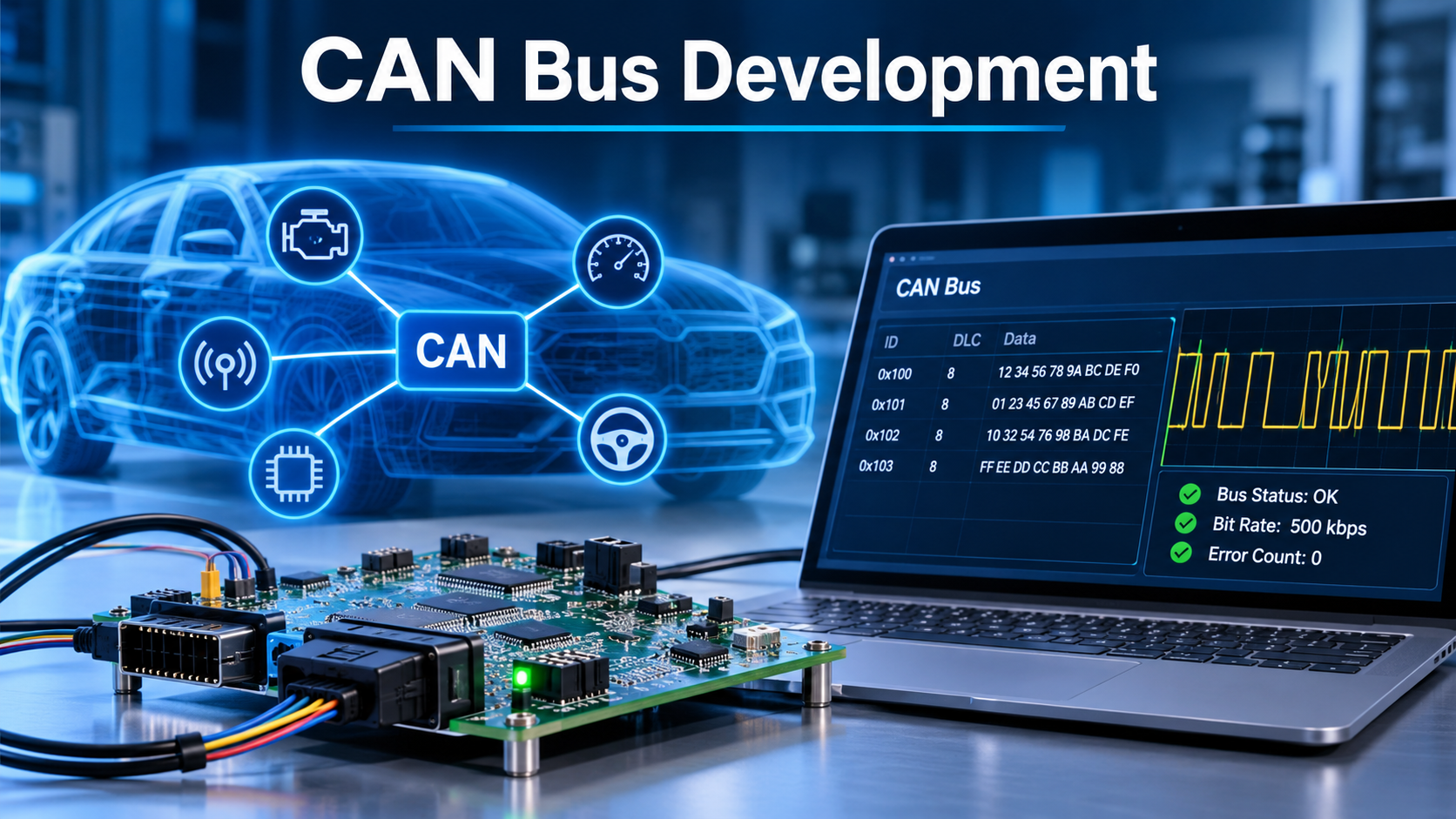
Electronic communication networks are an important part of modern automotive and industrial systems. The Controller Area Network (CAN) protocol allows multiple electronic control units to exchange information without requiring separate communication lines for every device. Although CAN networks are designed for reliable communication, different electrical and communication faults can still occur. CAN Bus Diagnostics provides a structured approach to identifying these problems and finding suitable solutions.
Understanding CAN Network Faults
A CAN network consists of communication lines, electronic control units, connectors, and termination resistors. All these components must work together for successful data transmission.
A fault in any part of the network can affect communication. Sometimes, a single faulty connection may create problems for multiple connected controllers. Understanding the network structure is therefore an important first step in troubleshooting.
Common Causes of CAN Bus Problems
1. Damaged Wiring
Physical damage, corrosion, or loose wiring connections can interrupt communication between electronic control units. Engineers should inspect the network cables and connectors carefully.
2. Incorrect Termination Resistance
CAN networks generally require suitable termination at both ends of the main communication bus. Incorrect termination can cause signal reflections and communication errors.
3. Electrical Interference
Electromagnetic interference from nearby electrical equipment can affect signal quality. Proper wiring practices and suitable cable installation help reduce this risk.
4. Faulty Control Units
A malfunctioning electronic control unit may generate communication errors or disturb network operation. Testing helps determine whether the issue is related to a specific controller.
5. Incorrect Network Configuration
Incorrect baud rate or communication settings can prevent devices from exchanging messages properly. Verifying configuration parameters is an important troubleshooting step.
Effective Troubleshooting Methods
A reliable troubleshooting process should begin with a clear understanding of the symptoms. Engineers can use diagnostic scanners to retrieve error codes and identify which controllers are reporting communication problems.
A CAN analyzer can then be used to monitor network traffic and inspect message activity. This helps determine whether expected messages are being transmitted and received.
Electrical testing is equally important. A digital multimeter can help check resistance and continuity, while an oscilloscope can provide a closer look at communication signal patterns.
After identifying the likely fault, engineers should correct the problem and test the network again to confirm that communication has returned to normal.
Importance of Root Cause Analysis
Replacing parts without understanding the actual fault can increase maintenance expenses and create additional troubleshooting work. Root cause analysis helps engineers identify whether the issue originates from wiring, connectors, configuration, interference, or an electronic component.
This approach improves troubleshooting accuracy and supports long-term system reliability.
Where CAN Troubleshooting Is Used
CAN network troubleshooting is relevant to passenger vehicles, commercial vehicles, agricultural machinery, construction equipment, and industrial control systems. These applications depend on reliable communication between electronic devices to perform important operations.
Conclusion
CAN network faults can affect the performance of connected electronic systems. Understanding common causes and following a systematic testing process helps engineers identify problems more effectively. Proper diagnostics, root cause analysis, and verification testing are essential for maintaining dependable CAN communication.
Frequently Asked Questions
1. What causes CAN bus communication errors?
CAN communication errors can result from damaged wiring, loose connectors, incorrect termination, electrical interference, or faulty electronic control units. Incorrect communication settings can also create problems. A proper diagnostic process helps identify the specific cause instead of relying on assumptions.
2. How do engineers identify a CAN bus fault?
Engineers generally begin by checking diagnostic trouble codes and reviewing the symptoms reported by connected controllers. They may then use a CAN analyzer, multimeter, and oscilloscope to inspect network activity and electrical signals. These tests help narrow down the source of the problem.
3. What is the purpose of a CAN bus termination resistor?
Termination resistors help reduce signal reflections on the CAN communication network. They are normally installed at both physical ends of the main bus. Incorrect termination can affect signal quality and lead to communication errors.
4. Why is root cause analysis important in CAN troubleshooting?
Root cause analysis helps engineers identify the actual reason behind a communication failure. It reduces unnecessary component replacement and repeated repair work. It also helps ensure that the corrective action addresses the original problem rather than only its visible symptoms.

 English
 Arabic
 French
 Spanish
 Portuguese
 Deutsch
 Turkish
 Dutch
 Italiano
 Russian
 Romaian
 Portuguese (Brazil)
