

What Is a Mid-Facelift and Which Areas Does It Treat?
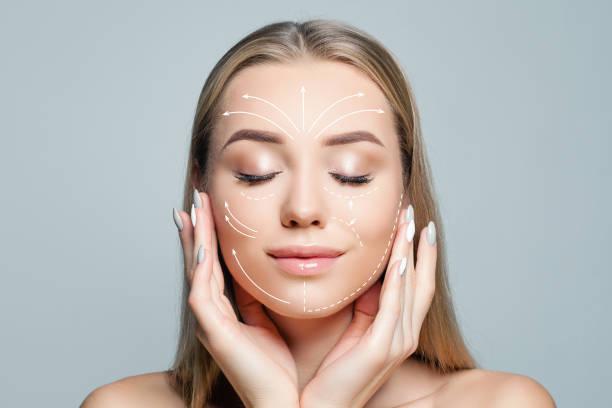
The middle portion of the face plays an important role in creating a youthful and balanced appearance. Over time, natural aging can cause the cheeks to lose volume and descend, making facial folds more noticeable and creating a tired appearance. People researching Facelift in Riyadh may come across the mid-facelift, a surgical procedure designed specifically to address aging changes in the central facial area. By repositioning selected tissues around the cheeks, this procedure can help restore a refreshed appearance and improve facial contours.
A mid-facelift differs from a traditional full facelift because it concentrates mainly on the middle third of the face rather than treating extensive sagging across the lower face and neck. It may help improve descended cheek tissues, under-eye transitions, and folds around the nose and mouth. However, it does not address every sign of facial aging. Understanding which areas it treats, how the procedure works, and who may benefit can help you decide whether it is worth discussing with a qualified plastic surgeon.
What Is a Mid-Facelift?
A mid-facelift is a cosmetic surgical procedure that focuses on rejuvenating the central portion of the face, particularly the cheek area. As facial tissues lose support with age, the cheeks may descend and create deeper folds between the nose and mouth. A mid-facelift aims to reposition these tissues to improve the appearance of the midface.
The procedure may involve incisions around the lower eyelids, within the hairline, or in other locations depending on the surgeon's chosen technique. The exact approach is based on facial anatomy, treatment goals, and the degree of tissue sagging.
How Does a Mid-Facelift Work?
During surgery, the surgeon accesses the supporting tissues beneath the skin and repositions the cheek structures to a more elevated position. This can improve cheek contours and soften certain folds associated with tissue descent. The surgeon may use different techniques depending on the patient's needs.
Which Areas Does a Mid-Facelift Treat?
A mid-facelift is designed for specific concerns in the central facial region. Its main treatment areas include the following.
1. Sagging Cheeks
One of the primary concerns addressed by a mid-facelift is cheek descent. As supporting tissues weaken, the cheeks may appear flatter or lower than before. Repositioning these tissues can help restore a fuller, more elevated cheek contour.
2. Under-Eye to Cheek Transition
Aging can create a more noticeable transition between the lower eyelids and cheeks. In suitable patients, a mid-facelift may improve this area by repositioning descended cheek tissues. However, it does not necessarily remove under-eye bags or correct every eyelid concern.
3. Nasolabial Folds
Nasolabial folds are the lines that extend from the sides of the nose toward the corners of the mouth. When cheek tissues descend, these folds may become more prominent. A mid-facelift can soften their appearance in some patients, although it may not eliminate them completely.
4. Midface Volume and Contours
Changes in tissue position and volume can make the central face look less defined. By lifting and repositioning selected structures, a mid-facelift may improve cheek projection and create a more balanced facial appearance.
What Are the Benefits of a Mid-Facelift?
A mid-facelift may provide several benefits for people whose main concerns involve the central facial area.
-
Improved cheek position: Repositioning descended tissues can create a more elevated cheek appearance.
-
Softer facial folds: It may reduce the prominence of certain folds caused by cheek sagging.
-
Refreshed under-eye appearance: Improving the cheek-to-under-eye transition may help reduce a tired appearance in suitable patients.
-
Balanced facial contours: The procedure aims to improve the relationship between the cheeks and surrounding facial structures.
-
Long-lasting surgical improvement: Results can last for years, although natural aging continues and individual outcomes vary.
The degree of improvement depends on the surgical technique, facial anatomy, skin quality, and healing process.
Who Is an Ideal Candidate for a Mid-Facelift?
A mid-facelift may be suitable for adults who experience sagging cheeks, reduced midface fullness, or prominent folds associated with tissue descent. Candidates should generally be in good overall health and have realistic expectations about the procedure.
It may be less suitable for people whose main concerns involve significant jowls, loose neck skin, or extensive lower-face sagging. These concerns may require a lower or full facelift instead. A qualified plastic surgeon can assess the facial structure and recommend the most appropriate option.
Mid-Facelift vs. Full Facelift: What Is the Difference?
The main difference is the area each procedure treats. A mid-facelift focuses on the cheeks and central facial region, while a full facelift generally addresses more extensive aging changes across the cheeks and lower face, with a neck lift considered when necessary.
A mid-facelift may be appropriate when cheek descent is the main concern. A full facelift may be more suitable when sagging affects several facial areas, including the jawline and lower cheeks. Neither procedure is universally better; the choice depends on individual anatomy and treatment goals.
What Should You Expect During Recovery?
Recovery varies depending on the technique used and whether additional procedures are performed. Temporary swelling, bruising, tightness, and changes in sensation may occur around the treated areas. These effects usually improve gradually, but complete healing can take longer than the initial recovery period.
Patients should follow their surgeon's instructions about wound care, sleeping position, medication, and physical activity. Follow-up visits help monitor healing and identify any concerns early.
Possible Risks and Considerations
Like other surgical procedures, a mid-facelift carries potential risks. These may include bleeding, infection, scarring, asymmetry, swelling, numbness, delayed healing, and nerve injury. The specific risks depend on the surgical technique and individual health factors.
Before proceeding, discuss your medical history, expected results, recovery requirements, and possible complications with a qualified plastic surgeon. A detailed consultation helps ensure that the proposed procedure matches your concerns.
Book Your Facelift Consultation at Royal Clinic Saudia
If you are concerned about sagging cheeks or changes in your midface contours, a professional assessment can help you understand your treatment options. At Royal Clinic Saudia, you can discuss your aesthetic goals and learn whether a mid-facelift or another approach may be suitable. For those considering Facelift in Riyadh, an individual consultation can help establish realistic expectations and a treatment plan based on facial needs.
FAQs:
Does a mid-facelift lift the entire face?
No. A mid-facelift mainly targets the central facial area, particularly the cheeks and surrounding tissues. It does not usually correct significant sagging in the lower face, jawline, or neck.
Can a mid-facelift improve deep nasolabial folds?
It may soften folds associated with descended cheek tissues by repositioning the midface. However, deeper folds may remain partially visible, depending on their cause and severity.
Is a mid-facelift suitable for younger adults?
Some younger adults with early cheek descent or specific midface concerns may be considered, but age alone does not determine suitability. A surgeon must assess facial anatomy, health, and expectations.
How long do mid-facelift results last?
Results may last for several years, but the duration varies between individuals. Natural aging, genetics, skin quality, and lifestyle can influence how long the improvement remains noticeable.

 English
 Arabic
 French
 Spanish
 Portuguese
 Deutsch
 Dutch
 Italiano
 Russian
 Romaian
 Portuguese (Brazil)
 Greek
