

How Parking Management Services Handle Peak-Hour Demand
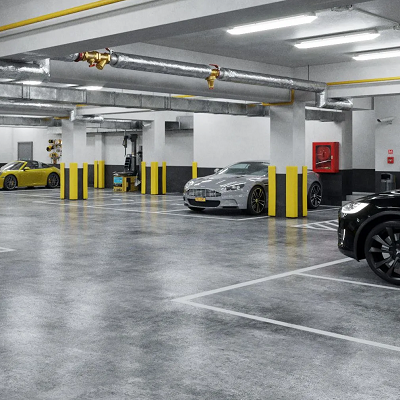
Peak-hour traffic can create serious challenges for parking facilities, especially in shopping malls, commercial buildings, hospitals, hotels, residential communities, and busy business districts. During rush hours, customers may struggle to find available parking spaces, experience long queues at entrances, or encounter congestion when leaving. These problems can affect customer satisfaction, safety, and the overall efficiency of a facility.
Professional parking management services help businesses handle these busy periods through organized traffic control, efficient space utilization, trained parking staff, and modern technology. In busy urban environments, Parking Management Services Saudi Arabia play an important role in managing increasing vehicle volumes and creating smoother parking experiences for visitors, employees, and customers.
By planning ahead and using effective parking strategies, parking operators can reduce congestion, improve vehicle movement, and maintain organized facilities even when demand is high.
1. Understanding Peak-Hour Parking Challenges
Peak-hour demand occurs when a large number of vehicles arrive at a parking facility within a short period. These periods may happen during morning office hours, evening shopping hours, weekends, public holidays, special events, or seasonal activities.
Parking facilities often experience different challenges during these times, including:
-
Long vehicle queues at entry points
-
Difficulty locating available parking spaces
-
Congestion between incoming and outgoing vehicles
-
Increased pressure on parking attendants
-
Improper parking and blocked driving lanes
-
Delays at payment stations and exit gates
-
Increased risk of vehicle and pedestrian conflicts
These challenges can become more serious when parking facilities have limited capacity or poorly planned layouts.
Without a proper management strategy, drivers may circle the parking area repeatedly in search of spaces. This creates additional traffic, wastes time, and increases frustration.
Professional parking management teams understand that peak-hour demand requires preparation rather than simply reacting to congestion after it occurs. By identifying busy periods, analyzing vehicle movement, and planning staff deployment, they can maintain better control over parking operations.
2. Using Traffic Flow Strategies to Reduce Congestion
Traffic flow management is one of the most important responsibilities during peak-hour demand. When vehicles enter, move through, and exit a parking facility without proper direction, congestion can quickly develop.
Parking management services use organized traffic strategies to keep vehicles moving efficiently. These strategies may include separating entrance and exit routes, creating designated driving lanes, controlling intersections, and directing vehicles toward specific parking sections.
Trained parking attendants can help manage traffic at busy points. They guide drivers, prevent unnecessary stopping, assist with merging vehicles, and reduce confusion at entrances and exits.
Clear directional signage is another important part of traffic management. Signs showing parking zones, exits, entrances, pedestrian routes, and available sections help drivers make decisions more quickly.
In facilities with heavy traffic, dedicated entry and exit lanes can reduce conflicts between vehicles moving in opposite directions. Where appropriate, one-way circulation routes may also improve movement and reduce bottlenecks.
These measures help create a more predictable traffic pattern, allowing parking facilities to accommodate more vehicles efficiently during busy periods.
3. Maximizing Parking Space Utilization
Peak-hour demand can make parking spaces seem unavailable even when some areas remain underused. Poor organization, unclear parking markings, and inefficient vehicle placement may prevent facilities from using their available capacity effectively.
Parking management services help maximize space utilization by organizing parking layouts and monitoring occupancy across different sections.
Parking staff can direct vehicles toward less crowded zones instead of allowing every driver to search for spaces near the main entrance. This approach distributes traffic more evenly throughout the facility.
Parking operators may also review the layout to identify opportunities for improvement, such as:
-
Clearly marking individual parking spaces
-
Organizing parking zones by visitor type
-
Providing designated spaces for accessible parking
-
Creating separate areas for employees and visitors
-
Maintaining suitable spaces for motorcycles where needed
-
Keeping emergency routes and pedestrian pathways clear
Effective space utilization helps reduce the time drivers spend searching for parking.
In larger facilities, parking guidance systems can display the number of available spaces in different sections. This allows drivers to move directly toward areas where parking is more likely to be available.
Better space utilization also benefits property owners because it improves the functionality of existing parking capacity without necessarily requiring additional construction.
4. Deploying Trained Staff During Busy Periods
Parking attendants play an essential role in handling peak-hour demand. While technology can monitor vehicle movement and parking occupancy, trained staff provide direct assistance and help manage unexpected situations.
Parking management companies can adjust staff schedules according to expected traffic patterns. More attendants may be assigned to entrances, exits, intersections, payment areas, and heavily used parking sections during busy periods.
Their responsibilities may include guiding vehicles, managing queues, assisting visitors, preventing unauthorized parking, and responding to operational issues.
For example, when a shopping mall experiences heavy weekend traffic, parking staff can direct incoming vehicles toward available sections, manage pedestrian crossings, and help prevent congestion near entrances.
In office buildings, attendants may focus on morning arrivals and evening departures. In event venues, staff deployment can be planned around scheduled activities to manage large numbers of vehicles arriving and leaving at similar times.
Training is equally important. Parking attendants should understand traffic control procedures, customer service, communication techniques, safety protocols, and emergency response requirements.
A well-trained team can respond more quickly to changing conditions and maintain a professional environment even during stressful periods.
5. Integrating Technology for Real-Time Parking Management
Modern parking technology helps operators manage peak-hour demand more effectively by providing accurate information and automating repetitive processes.
Parking management systems may include vehicle counting sensors, automated entry and exit barriers, digital ticketing, electronic payment solutions, parking guidance displays, and surveillance systems.
These technologies help reduce manual delays and improve visibility across the parking facility.
Parking occupancy monitoring
Occupancy monitoring tools help parking operators understand how many spaces are available and which areas are becoming crowded. This information allows staff to redirect traffic before congestion becomes severe.
Automated entry and exit systems
Automated barriers and access-control systems can simplify vehicle movement. Depending on the facility, digital tickets, access cards, QR codes, or vehicle recognition technology may reduce the time required for entry and exit procedures.
Digital payment options
Cashless payment solutions can help reduce queues at payment stations. Customers may complete transactions through supported digital methods, making departure faster and more convenient.
Parking guidance displays
Electronic displays can show drivers which parking sections have available spaces. This reduces unnecessary driving inside the facility and helps distribute traffic more evenly.
When these technologies are combined with trained staff, parking operators can respond more effectively to changing demand throughout the day.
6. Preparing for Special Events and Seasonal Traffic
Peak-hour demand is not always predictable through regular daily patterns. Special events, holidays, promotional activities, seasonal shopping periods, conferences, and public gatherings can create sudden increases in vehicle volume.
Parking management services help facilities prepare for these situations by developing traffic plans in advance.
Planning may involve reviewing expected visitor numbers, identifying available parking capacity, arranging temporary parking zones, preparing additional staff schedules, and establishing alternative entry or exit routes.
Event parking may also require separate arrangements for VIP visitors, staff vehicles, taxis, ride-sharing services, buses, and pedestrian movement.
Advance planning helps prevent confusion when large numbers of vehicles arrive within a short period.
Parking operators can also coordinate with property managers, event organizers, and security teams to ensure that traffic management procedures are consistent.
Temporary signs, additional attendants, designated pickup zones, and controlled access points can help maintain order during unusual traffic conditions.
By preparing for peak demand before an event begins, facilities can reduce operational disruptions and provide a smoother experience for visitors.
7. Improving Safety and Customer Experience During Rush Hours
Peak-hour parking management is not only about moving vehicles quickly. Safety and customer satisfaction must remain equally important.
Heavy traffic can increase the risk of accidents involving vehicles, pedestrians, cyclists, and parking attendants. Poor visibility, impatient drivers, crowded walkways, and blocked routes may create dangerous situations.
Professional parking management services help reduce these risks by maintaining designated pedestrian pathways, controlling vehicle speeds, keeping emergency access routes clear, and monitoring busy areas.
Staff can assist pedestrians at crossings, guide vehicles carefully, and respond to situations involving stopped vehicles or traffic obstructions.
Customer service also matters during peak hours. Drivers may become frustrated when parking is limited or traffic is slow. Helpful staff, clear instructions, and accurate information can reduce confusion and improve the overall experience.
Facilities can also use customer feedback to identify recurring problems. If visitors frequently report long queues, unclear signs, or difficulty finding parking, managers can adjust their strategies accordingly.
A well-organized parking facility helps customers feel safer, saves time, and creates a more positive impression of the business or property.
Frequently Asked Questions (FAQs)
1. What causes peak-hour parking congestion?
Peak-hour parking congestion usually occurs when many vehicles arrive or leave within a short period. Limited parking capacity, inefficient layouts, poor traffic control, slow payment procedures, and inadequate staffing can make the problem worse.
2. How do parking management services reduce peak-hour traffic?
Parking management services reduce congestion by directing vehicles, organizing entry and exit routes, managing queues, monitoring parking availability, deploying trained staff, and using traffic control strategies that improve circulation.
3. Can technology help manage busy parking facilities?
Yes. Parking sensors, digital guidance systems, automated barriers, vehicle counting technology, and cashless payment solutions can help operators monitor parking conditions and reduce delays during busy periods.
4. How do parking attendants help during rush hours?
Parking attendants guide drivers, direct vehicles toward available spaces, manage traffic at entrances and exits, assist pedestrians, prevent improper parking, and help resolve operational problems.
5. How can parking facilities prepare for special events?
Facilities can prepare by forecasting vehicle demand, arranging additional staff, establishing temporary parking zones, improving signage, planning alternative routes, and coordinating with event organizers and security teams.
6. Why is customer satisfaction important during peak-hour parking?
A smooth parking experience helps customers arrive without unnecessary stress, feel safe, and leave conveniently. Better parking operations can improve the overall impression of a business and encourage repeat visits.
Conclusion
Peak-hour demand can create significant pressure on parking facilities, but effective planning and professional management can make these challenges easier to handle. Traffic control, space optimization, trained staff, modern technology, and advance preparation all contribute to smoother parking operations.
Professional parking management services help businesses maintain organized facilities during busy periods while improving safety, reducing congestion, and minimizing customer frustration.
For shopping malls, office buildings, hotels, residential communities, and event venues, efficient peak-hour parking management is an important part of delivering reliable service. With the right strategies in place, parking facilities can handle high vehicle volumes more effectively and provide visitors with a convenient, safe, and positive experience.

 English
 Arabic
 French
 Spanish
 Portuguese
 Turkish
 Dutch
 Italiano
 Russian
 Romaian
 Portuguese (Brazil)
 Greek
