

What Should You Know Before Choosing PRP Hair Treatment?
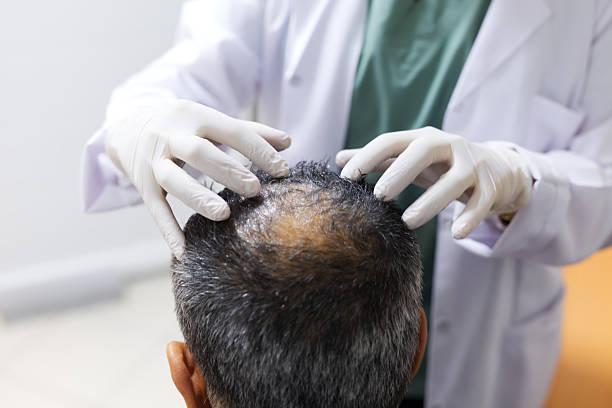
Hair thinning, excessive shedding, and reduced hair density can affect confidence and make everyday grooming more challenging. With several hair restoration options available, choosing a suitable treatment requires understanding its procedure, potential benefits, limitations, and safety considerations. Platelet-rich plasma (PRP) has gained attention because it uses components from the patient's own blood to support existing hair follicles. Before considering PRP Hair Treatment in Riyadh, it is important to learn how the procedure works, which hair loss conditions may respond, and what results you can realistically expect.
What Is PRP Hair Treatment?
PRP stands for platelet-rich plasma, a concentrated portion of blood that contains platelets and growth factors involved in the body's natural repair processes. For hair treatment, a small blood sample is collected and processed in a centrifuge to separate the platelet-rich portion from other blood components.
The prepared plasma is then injected into selected areas of the scalp using fine needles. The aim is to deliver platelet-derived growth factors near existing hair follicles and potentially support their activity. PRP is a minimally invasive procedure, but it does not create new follicles or guarantee complete hair restoration.
Understand Whether You Are a Suitable Candidate
Not everyone experiencing hair loss is automatically suitable for PRP. The treatment has been studied most extensively for androgenetic alopecia, commonly known as male or female pattern hair loss. Some people with early or moderate thinning may experience improvements in hair density or thickness.
However, hair loss can also result from nutritional deficiencies, thyroid disorders, hormonal changes, stress, medication effects, or autoimmune conditions. These problems may require different treatments. A professional scalp examination and medical history review can help identify the cause before a treatment plan is selected.
Know the Potential Benefits of PRP
Supporting Existing Hair Follicles
Platelets release growth factors that may influence cellular activity around hair follicles. In suitable patients, PRP may help support existing follicles and improve the appearance of thinning areas. It cannot reliably restore follicles that have been permanently destroyed.
Improving Hair Thickness and Density
Some studies suggest that PRP may improve hair thickness and density in people with pattern hair loss. The degree of improvement varies, and not every patient responds in the same way. Results should be evaluated over several months rather than immediately after treatment.
Using the Patient's Own Blood
PRP is an autologous treatment, meaning the plasma is prepared from the patient's own blood. This avoids introducing donor blood or synthetic growth factors. However, using a person's own blood does not make the procedure completely risk-free.
Understand the Limitations of PRP
One of the most important things to know is that PRP is not a universal solution for hair loss. Its effectiveness for conditions other than pattern hair loss is less established, and it is not a proven treatment for every type of scalp disorder.
PRP also cannot guarantee permanent results or stop all future hair thinning. Some people may need maintenance sessions or additional treatments, while others may experience limited improvement. A responsible treatment recommendation should explain these limitations instead of promising dramatic regrowth.
Ask About the Treatment Procedure
Before choosing PRP Hair Treatment in Riyadh, understand the steps involved in the procedure. A typical session includes blood collection, centrifugation, preparation of platelet-rich plasma, and injections into selected scalp areas.
Ask how the clinic prepares the plasma, what equipment is used, and who performs the injections. The clinician should explain the treatment area, expected session duration, and any preparation instructions. You should also have an opportunity to discuss discomfort, recovery, and possible side effects.
Check the Clinician's Qualifications and Hygiene Standards
PRP involves blood collection and scalp injections, so it should be performed by a qualified medical professional with appropriate training. Before proceeding, ask about the clinician's experience with hair restoration procedures and the clinic's infection-control practices.
Equipment should be sterile, and blood-handling procedures should follow appropriate medical standards. The clinic should also explain how your medical information will be reviewed and how complications will be managed if they occur.
Be Aware of Possible Side Effects
PRP is generally considered minimally invasive, but temporary side effects can occur. These may include:
-
Mild tenderness or discomfort around injection sites.
-
Temporary redness or swelling of the scalp.
-
Minor bruising or sensitivity.
-
Occasional headache or irritation after treatment.
Infection is uncommon but possible if proper sterile techniques are not followed. People with certain blood disorders, platelet-related conditions, active scalp infections, or other medical concerns may require additional assessment. Share your medications and health history with the clinician before treatment.
Understand the Number of Sessions and Recovery
PRP treatment commonly involves an initial series of sessions spaced several weeks apart, although the recommended schedule differs between patients and clinics. Some people may be advised to attend maintenance appointments depending on their progress.
Most patients can return to routine activities relatively quickly, but the clinician may recommend temporary restrictions on washing, exercise, or hair products. Follow the aftercare instructions carefully and contact the clinic if you notice unusual pain, worsening redness, or signs of infection.
Compare PRP With Other Hair Restoration Options
PRP is one of several approaches to managing hair loss. Depending on the diagnosis, a clinician may discuss topical or oral medications, treatment for nutritional deficiencies, scalp therapies, or hair transplantation.
For example, a hair transplant moves follicles from a donor area to areas with reduced coverage, while PRP aims to support existing follicles. These treatments serve different purposes and may sometimes be considered together. The best choice depends on your hair loss pattern, medical history, and restoration goals.
Set Realistic Expectations Before Treatment
Hair growth is gradual, so visible changes may take several months. Some people notice reduced shedding or improved thickness, while others experience little or no noticeable difference. Photographs and follow-up scalp assessments can help track progress more objectively.
Choosing PRP Hair Treatment in Riyadh should involve understanding both its potential benefits and its limitations. A personalised plan, realistic expectations, and consistent follow-up are more useful than relying on guaranteed-result claims.
Book a PRP Hair Treatment Consultation at Royal Clinic Saudia
If you are considering PRP for thinning hair, a professional consultation can help determine whether the procedure is appropriate for your condition. Royal Clinic Saudia can help you discuss your hair concerns, understand available treatment options, and explore a personalised approach to hair restoration.
FAQs:
Is PRP hair treatment suitable for everyone?
No. Suitability depends on the cause of hair loss, scalp condition, medical history, and the activity of existing follicles. A qualified clinician should assess these factors before recommending treatment.
How long does PRP hair treatment take to show results?
Visible changes, when they occur, generally develop over several months because hair growth follows natural cycles. The timing and degree of improvement vary between individuals.
Is PRP hair treatment painful?
Some people experience mild discomfort during scalp injections. Temporary tenderness, redness, or swelling may occur afterward, but the experience varies depending on individual sensitivity and the treatment technique.
Can PRP permanently stop hair loss?
No. PRP does not guarantee permanent hair restoration or prevent every cause of future hair loss. Some patients may need ongoing treatment or additional therapies based on their diagnosis.

 English
 Arabic
 French
 Spanish
 Portuguese
 Deutsch
 Turkish
 Dutch
 Italiano
 Russian
 Portuguese (Brazil)
 Greek
