

Fractional CO2 Laser Treatment in Dubai | Tajmeels Clinic
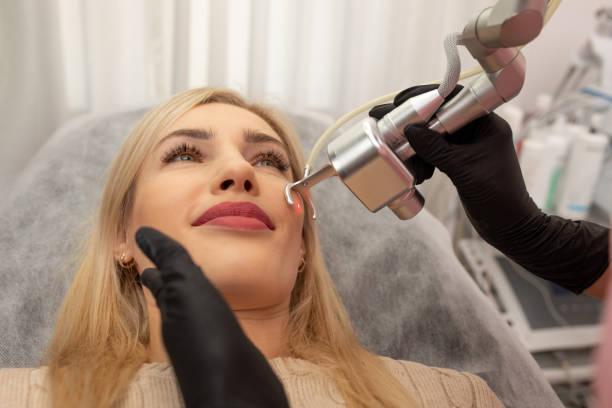
Skin texture, acne scars, fine lines and uneven pigmentation can affect how smooth and even the complexion appears. When topical skincare alone does not adequately address these concerns, professional resurfacing treatments may be considered. Fractional CO2 Laser Treatment in Dubai is an ablative laser procedure designed to create controlled microscopic areas of treatment in the skin, encouraging the natural renewal and repair process.
Unlike treatments that work only on the skin's surface, fractional CO2 technology delivers energy into selected columns of tissue while leaving surrounding areas untreated. This fractional approach supports healing between treated zones. The procedure can be used for several skin concerns, but suitability, treatment intensity and recovery requirements depend on individual skin characteristics.
What Is Fractional CO2 Laser Treatment
Fractional carbon dioxide laser resurfacing uses laser energy to create controlled microscopic treatment zones in the skin. The laser removes or heats targeted tissue, depending on the device settings and treatment approach.
The untreated tissue between these microscopic zones supports the healing process. As the skin repairs itself, collagen remodelling and new tissue formation may contribute to changes in texture, fine lines and selected scars.
The treatment is considered an ablative resurfacing procedure. This means it creates controlled injury to the skin rather than simply warming the surface.
How Fractional CO2 Laser Technology Works
The CO2 laser produces infrared energy that is absorbed by water in the skin. This interaction creates precise thermal effects in the targeted tissue.
With fractional delivery, the laser treats a pattern of small columns rather than removing the entire surface uniformly. The practitioner can adjust parameters such as energy, density and depth according to the treatment area and clinical objective.
The surrounding untreated tissue plays an important role in recovery. However, fractional treatment still creates a controlled wound-healing response, so redness, peeling and temporary sensitivity should be expected.
Skin Concerns That May Be Addressed
Fractional CO2 resurfacing may be considered for selected textural and ageing concerns. The suitability of treatment depends on the type, depth and cause of the skin condition.
Acne Scars and Uneven Skin Texture
Some acne scars create depressions or irregularities in the skin's surface. Fractional CO2 treatment may help improve selected atrophic scars by stimulating tissue remodelling.
Not all acne scars respond in the same way. Deep ice-pick scars, tethered scars and broad rolling scars may require different approaches or a combination of treatments. Active inflammatory acne should be assessed and managed before resurfacing is considered.
Fine Lines and Signs of Photoageing
Sun exposure and natural ageing can contribute to fine lines, rough texture and changes in skin elasticity. Fractional resurfacing may improve the appearance of selected superficial and moderate textural changes.
The degree of improvement varies. Deeper wrinkles and significant skin laxity may require other procedures, and laser resurfacing cannot stop the ageing process.
Enlarged Pores and Rough Skin
Pore appearance is influenced by genetics, oil production, skin elasticity and the condition of the surrounding tissue. Resurfacing may improve overall texture in selected patients, making pores appear less noticeable.
It does not permanently close pores or eliminate their underlying causes. A suitable skincare routine remains important after treatment.
Selected Pigmentation and Surface Irregularities
Certain uneven pigmentation concerns may improve with resurfacing, but CO2 laser treatment is not appropriate for every pigmentary condition. Melasma and some forms of post-inflammatory pigmentation can worsen after procedures that trigger inflammation.
A clinician should identify the type of pigmentation before recommending laser treatment.
How Fractional CO2 Laser Treatment in Dubai Is Planned
A successful treatment plan begins with a skin assessment rather than choosing laser settings based only on the visible concern.
The practitioner considers skin tone, sensitivity, scar characteristics, medical history, previous procedures and the patient's tolerance for downtime. The treatment area and desired degree of resurfacing also influence the plan.
Skin Type and Pigmentation Assessment
Skin tone is particularly important because darker skin types can have a higher risk of post-inflammatory hyperpigmentation after ablative resurfacing. This does not mean every person with a darker complexion is automatically unsuitable, but it makes careful selection and conservative planning especially important.
The practitioner should explain the possible risks of pigmentation changes and whether another treatment may offer a more appropriate risk-benefit balance.
Choosing Treatment Intensity
Laser intensity is not simply a measure of how effective a procedure will be. Higher energy or treatment density can increase tissue injury, discomfort and recovery requirements.
The practitioner balances the intended improvement with the patient's skin characteristics and tolerance for downtime. A conservative approach may be preferable when pigmentation risk or healing concerns are significant.
What Happens During the Procedure
The exact process depends on the device, treatment area and clinical protocol. Patients should receive clear instructions before the appointment.
A typical treatment process may involve the following stages:
-
Skin preparation: The treatment area is cleansed, and the practitioner confirms the planned areas.
-
Anaesthesia: Topical or other appropriate anaesthesia may be used according to treatment intensity and clinical judgement.
-
Laser application: The practitioner delivers fractional laser energy across the selected area using planned settings.
-
Immediate skin care: The treated skin is assessed and appropriate post-procedure products or dressings are applied.
-
Aftercare guidance: The patient receives instructions for cleansing, moisturising, sun protection and follow-up.
Patients may experience warmth, stinging or discomfort during and shortly after treatment. The level of sensation varies with the intensity and area treated.
Recovery After Fractional CO2 Resurfacing
Recovery is an important part of the treatment decision. Because fractional CO2 resurfacing creates controlled injury, the skin needs time to repair its surface barrier.
Redness, swelling, warmth, pinpoint crusting and peeling may occur. The duration and intensity depend on treatment settings, skin characteristics and individual healing.
The Early Healing Period
During the initial days, the skin may feel sensitive and appear red or swollen. Small treated areas may develop a rough or bronzed appearance before shedding.
Patients should avoid picking, scratching or forcibly removing peeling skin. The clinician may recommend specific cleansing products, moisturisers or protective ointments to support healing.
Skin Changes Over the Following Weeks
Redness can continue after the surface has healed. Some patients also experience temporary dryness, sensitivity or changes in skin colour.
Collagen remodelling takes place gradually, so improvements in texture may develop over time rather than appearing immediately. The final response cannot be judged solely by the appearance in the first few days.
Aftercare and Sun Protection
Following the practitioner's aftercare instructions helps protect the skin while its barrier recovers. The routine should be adapted to the treatment intensity and the patient's skin response.
Important precautions may include:
-
Cleanse gently using products recommended by the clinician.
-
Apply prescribed moisturising or protective products as directed.
-
Avoid scrubbing, exfoliating acids and retinoids until cleared.
-
Do not pick at crusts or peeling skin.
-
Avoid direct sun exposure during recovery.
-
Use broad-spectrum sun protection when the clinician confirms it is appropriate for the healing stage.
-
Attend recommended follow-up appointments.
Patients should not restart active skincare ingredients simply because the skin looks better. The surface may remain sensitive even after visible peeling has stopped.
Who May Be Suitable for Fractional CO2 Laser Treatment
Fractional CO2 resurfacing may be considered for adults with selected acne scars, textural irregularities, fine lines or photoageing changes who can follow the required recovery plan.
However, the procedure is not suitable for everyone. Active skin infections, open wounds, certain inflammatory skin conditions and a history of abnormal healing may affect eligibility.
A clinician should also review previous isotretinoin use, a history of cold sores, medications, recent tanning and previous cosmetic procedures. Pregnancy or breastfeeding may also influence whether treatment should be postponed.
When Another Treatment May Be More Appropriate
Alternative treatments may be discussed when the main concern is:
-
Active inflammatory acne.
-
Melasma or pigmentation prone to worsening after inflammation.
-
Significant skin laxity.
-
Deep scars requiring targeted treatment.
-
A skin condition that increases the risk of delayed healing.
-
A preference for minimal downtime.
The best procedure depends on the diagnosis and the patient's individual risk factors.
Read More: How Many Sutures Are Needed per Facial Zone for a Thread Lift in Dubai?
Potential Risks and Side Effects
Fractional CO2 laser resurfacing is a medical procedure and carries risks. Common temporary effects include redness, swelling, sensitivity, crusting and peeling.
Other possible complications include infection, acne-like eruptions, prolonged redness, post-inflammatory hyperpigmentation, hypopigmentation and scarring. Herpes simplex can reactivate in people with a relevant history.
The risk of pigmentation changes can be higher in darker skin types. Careful assessment, suitable settings and appropriate follow-up are therefore important.
Patients should contact their clinician if they develop worsening pain, increasing redness, pus, fever, spreading swelling or other signs of infection.
Clinic Note: Fractional CO2 laser treatment should be selected according to the skin concern, skin tone and healing profile. A more aggressive setting is not automatically better; the aim is to balance potential improvement with a suitable safety margin and realistic recovery expectations.
Frequently Asked Questions
Is Fractional CO2 Laser Treatment painful?
Patients may experience heat, stinging or discomfort during treatment. Anaesthesia and other comfort measures may be used depending on the procedure and treatment intensity.
How many sessions are needed?
The number of sessions depends on the concern, scar depth, treatment settings and individual response. Some patients may be considered for a single session, while others need a staged treatment plan. The clinician should determine the appropriate interval between sessions.
Can Fractional CO2 laser treat deep acne scars?
It may improve selected atrophic acne scars, but deep or tethered scars can require additional techniques. A scar assessment is necessary before deciding on treatment.
Is the treatment suitable for darker skin?
Some patients with darker skin tones may be considered, but pigmentation risks require particular attention. The practitioner should assess skin type and discuss alternatives where the risks outweigh the expected benefits.
When can I return to normal skincare?
Active ingredients such as retinoids and exfoliating acids should only be restarted when the clinician confirms that the skin barrier has recovered sufficiently. The timing varies with treatment intensity and healing.
When will results become visible?
Some surface changes may become noticeable after the initial healing period, while collagen-related improvements develop gradually. Results vary and should be reviewed over an appropriate period.
Making an Informed Skin Resurfacing Decision
Fractional CO2 laser resurfacing offers a controlled approach to improving selected scars, fine lines and textural irregularities. Its fractional delivery allows untreated tissue to remain between treatment zones, but the procedure still involves meaningful downtime and potential complications.
At Tajmeels Clinic, a consultation can help determine whether Fractional CO2 Laser Treatment in Dubai is appropriate for the skin concern, complexion and recovery preferences. A personalised plan should explain the expected benefits, limitations, aftercare requirements and possible risks before treatment begins.

 English
 Arabic
 French
 Spanish
 Portuguese
 Deutsch
 Turkish
 Dutch
 Italiano
 Romaian
 Portuguese (Brazil)
 Greek
