

How Is Genuine Currency Designed to Prevent Counterfeiting?
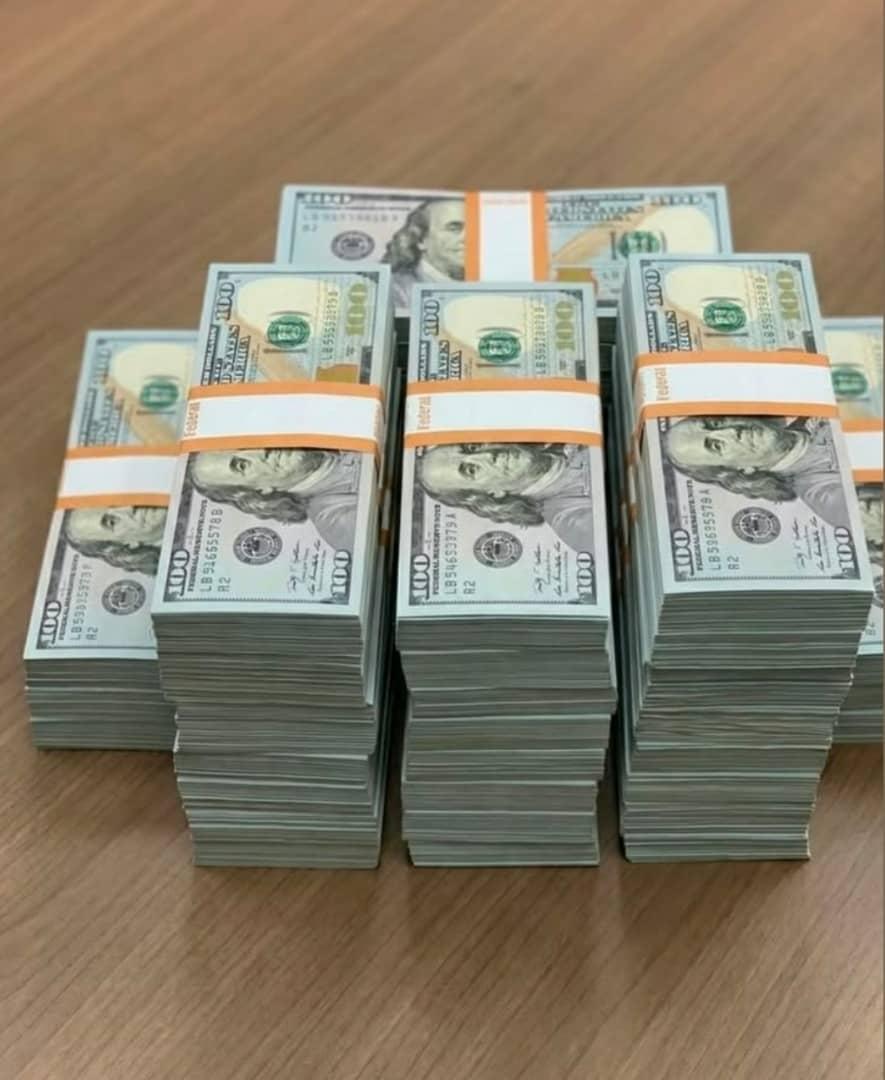
Every single bill in your wallet is a masterpiece of high tech engineering designed to stay one step ahead of criminals. While many assume cash is just high quality paper, the reality is a complex mix of chemistry, physics and specialized manufacturing. Central banks spend years developing features that are nearly impossible for a standard printer to replicate. If you have ever wondered why some bills feel different or look strange under a light, you are noticing the results of these intense security efforts.
The battle against fake money is constant because scanning technology improves every year. Governments must update designs frequently to ensure the economy stays stable. Understanding these features helps you protect yourself from financial loss. You can find more details on the evolution of the designs in this overview of counterfeits money and security trends.
The Unique Feel of Security Paper
Genuine banknotes do not use wood pulp paper like the pages in a notebook. They consist of a blend of cotton and linen fibers - this specific recipe creates a distinct texture that is much more durable than standard paper. When you run your fingers across a real bill, it feels slightly rough and crisp - this material does not tear easily and handles moisture without falling apart.
Manufacturing this substrate is a restricted process - Chemical markers are often added to the pulp during production - these markers react to specific pens used by cashiers to detect fakes. Because the "paper" is actually a fabric, it also lacks the optical brighteners found in commercial paper, which is why real bills do not glow brightly under ultraviolet light. If a bill feels smooth or waxy, it is likely a fake.
Color-Shifting Ink & Intaglio Printing
One of the most visible defenses is color shifting ink - When you tilt a high denomination bill, the numbers in the corner change from one hue to another, like green to black or copper to green - this effect requires specialized pigments that are expensive and difficult to obtain. Desktop printers use static colors and cannot recreate this fluid motion of light.
Key Printing Techniques
- Intaglio Printing This process uses massive pressure to press paper into recessed plates filled with ink. It creates a raised texture you can feel with your fingernail.
- Offset Printing This creates the sharp, colorful background patterns that are hard to mimic with inkjets.
- Serial Numbers Every bill has a unique sequence that is perfectly aligned and evenly spaced.
Hidden Watermarks & Security Threads
Holding a bill up to a light source reveals secrets hidden inside the layers of the material. A watermark is an image created - varying the thickness of the paper fibers during the manufacturing process. It is not printed on the surface - it looks seamless and subtle. On many bills, this image matches the portrait on the front.
Security threads are thin ribbons of plastic or metallic material embedded vertically through the note - these threads often glow a specific color under UV light. On newer $100 bills, a 3D security ribbon is actually woven into the paper, not just printed on it - this ribbon contains images of bells and numbers that move as you tilt the bill, which is a massive hurdle for counterfeiters. For a deep dive into these specific markers, check out this guide on how to tell if a 100 bill is fake using modern checks.
The Precision of Microprinting
If you look very closely at a banknote - perhaps with a magnifying glass - you will see tiny text that looks like a solid line to the naked eye - this is microprinting. It is often located around the portrait or along the borders. Genuine microprinting is sharp, clear and easy to read under magnification. Many commercial scanners do not have the resolution to capture these details, resulting in blurry or unreadable blobs on fake notes.
Modern bills also use "Eurion constellations" These are small patterns of circles that tell photocopiers and digital imaging software to block the user from scanning or printing the image - this software level protection is a silent guardian that prevents amateur attempts at duplication before they even start.
How to Verify Your Cash
Checking your money is a quick process once you know what to look for. You are the first line of defense in keeping fake currency out of the system. If you ever feel unsure about a note, compare it to a bill you know is real. Differences in the sharpness of the portrait or the thickness of the lines are usually obvious when they are side-by-side. It is also helpful to know about realistic prop money that is legal for films, as the items must follow strict size and design rules to stay legal.
Quick Verification Checklist
- Feel the paper for the raised intaglio ink on the portrait is shoulders.
- Tilt the bill to watch the color shifting ink in the bottom right corner.
- Hold the bill to light to see the watermark and the vertical security thread.
- Check the 3D ribbon on higher denominations for movement.
If you discover that you have a fake bill, do not try to spend it. Passing counterfeit money is a serious crime, even if you did not make it. You should follow the proper steps for reporting the incident to the authorities. You can learn exactly what to do if you receive counterfeit money to protect yourself legally.
FAQ
Is it legal to own prop money for videos?
Yes but it must meet specific legal requirements - It usually needs to be much larger or smaller than real cash or printed on only one side. It must also clearly state "In Prop We Trust" or "For Motion Picture Use Only" to avoid being mistaken for real currency.
Do all bills have the same security features?
No, smaller bills like $1 and $2 have fewer features because they are less likely to be targeted by professional counterfeiters. Higher denominations like $20, $50 and $100 have the most advanced technology, like 3D ribbons and complex color shifting ink.
What should I do if a cashier says my bill is fake?
Stay calm and ask for the bill back, though some store policies require them to keep it. Do not start a confrontation. If you believe the bill is real, you can take it to a bank or contact local police to have it professionally examined.
Can counterfeit pens be wrong?
Yes, counterfeit pens are not 100 % accurate - They react to the starch in wood based paper. If a real bill is washed in a laundry machine with certain detergents or if a fake is printed on specialized paper, the pen might give a false reading. Always use the visual and tactile features for a better check.

 English
 Arabic
 French
 Spanish
 Portuguese
 Turkish
 Dutch
 Italiano
 Russian
 Romaian
 Portuguese (Brazil)
 Greek
