

How Do Doctors Choose Between Laser and Surgical Mole Removal?
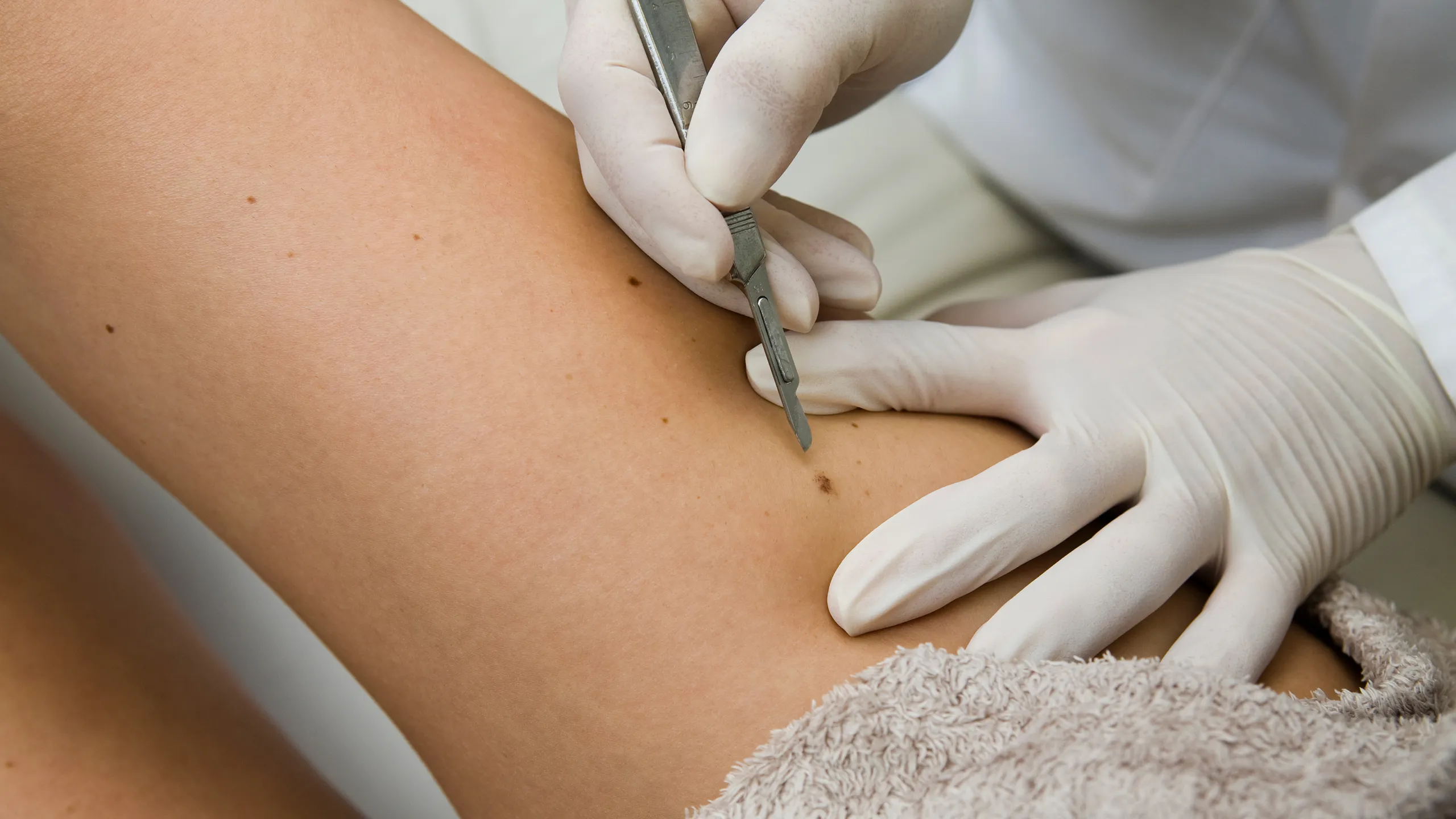
When a mole becomes a cosmetic concern, many people prefer laser treatment because it appears less invasive and may seem to offer faster healing. Others consider surgical removal because it physically removes the lesion and can provide tissue for laboratory examination. When researching Mole Removal in Islamabad, an important question is not simply which method is better, but which one is appropriate for the particular skin lesion.
Doctors do not select a removal technique based on appearance alone. They first identify what the spot actually is, examine its depth and characteristics, and determine whether tissue needs to be preserved for diagnosis. The most appropriate method depends on the nature of the lesion, medical requirements, and the patient's cosmetic expectations.
Why Does the Diagnosis Come Before the Removal Method?
People often use the word mole to describe several different types of skin growths. However, a melanocytic mole is not the same as a solar lentigo, seborrhoeic keratosis, skin tag, or other pigmented skin lesion.
These conditions may look similar, but their underlying structures are different. A dermatologist may use clinical examination and dermoscopy to identify the lesion and determine whether further investigation is necessary.
This distinction is particularly important for pigmented melanocytic moles. Although most are harmless, some suspicious lesions may require a biopsy to rule out melanoma.
A laser can destroy or alter tissue, making it unsuitable when an intact specimen is needed for histopathological examination. Surgical removal can preserve a tissue sample that a pathologist examines under a microscope.
The first decision should always be what the lesion is, not which machine or procedure will remove it.
When Do Doctors Consider Laser Mole Removal?
Laser treatment uses concentrated light energy to target selected skin structures. Depending on the device, it can remove superficial tissue or target specific pigments within the skin.
It may be considered for certain confidently diagnosed benign skin conditions, including selected pigmented lesions such as solar lentigines. However, these spots are not necessarily true melanocytic moles.
For pigmented melanocytic nevi, laser treatment is generally not recommended as a routine removal method. It can destroy tissue needed for diagnosis and may leave deeper pigment-producing cells behind, allowing the lesion to return.
In carefully selected exceptional cases, a specialist experienced in assessing pigmented lesions may consider laser treatment after malignancy has been appropriately excluded. This requires an individual assessment rather than simply choosing laser because the spot is small or located on the face.
Laser treatment is not automatically the safer or more suitable option just because it does not involve conventional surgical stitches.
When Is Surgical Mole Removal More Appropriate?
Surgical removal is often preferred when a mole needs complete removal, when its diagnosis is uncertain, or when a tissue sample must be examined.
The dermatologist selects the surgical technique according to the lesion's size, depth, location, and clinical characteristics.
Surgical Excision: The mole is removed through an incision, usually with a small margin of surrounding skin when appropriate. The wound may be closed with stitches, and the tissue can be sent for histopathological examination.
Shave Removal: A surgical blade removes a raised portion of a selected benign lesion. It may be suitable for certain protruding moles, but deeper cells can remain, allowing pigmentation to return. A superficial shave is generally not appropriate when melanoma is suspected because it may fail to provide the necessary information about the lesion's depth.
Excision Biopsy: When a pigmented lesion is suspicious for melanoma, complete diagnostic removal with an appropriate narrow margin is generally preferred when anatomically possible. The specimen is then examined to establish the diagnosis.
Surgical procedures can leave scars, and the final appearance depends on the removal technique, wound location, and individual healing response.
Surgery offers an important advantage when the removed tissue needs to be examined, but the technique must still be selected carefully.
What Factors Influence the Doctor's Decision?
There is no universal removal method for every mole. A dermatologist considers several clinical and cosmetic factors before recommending treatment.
These include:
-
Type of lesion: A true melanocytic mole requires a different approach from a sunspot or other benign pigmented growth.
-
Suspicious features: Changes in size, shape, colour, or texture may indicate a need for biopsy rather than cosmetic treatment.
-
Depth: Deeper lesions may be more difficult to treat completely with superficial procedures.
-
Location: Facial features, skin contours, and surrounding structures can influence the choice of technique.
-
Need for histopathology: If a diagnosis needs confirmation, a method that preserves suitable tissue is essential.
-
Scarring risk: Skin type, previous scars, and the location of the wound affect cosmetic planning.
-
Patient expectations: The desired appearance, recovery requirements, and possibility of recurrence should be discussed before treatment.
A good treatment decision balances medical safety, adequate removal, and the likely cosmetic outcome.
Is Laser Better Than Surgery for Facial Mole Removal?
Not necessarily. Although laser treatment may sound attractive for facial concerns, the absence of stitches does not guarantee better healing or a scar-free result.
Laser procedures can cause redness, pigmentation changes, textural irregularities, and incomplete removal. Some lesions may also develop visible pigmentation again when deeper cells remain.
Surgical removal can produce a fine linear scar, but careful incision planning and appropriate wound closure may help achieve a favourable cosmetic outcome. The location, depth, and type of mole influence the final appearance.
For facial lesions, the dermatologist should consider natural skin lines, tissue depth, and nearby structures before recommending a procedure.
The best cosmetic result comes from choosing the appropriate treatment, not automatically choosing the least invasive-sounding method.
Can a Mole Grow Back After Laser or Surgical Removal?
Yes. Recurrence is possible with either approach, although the reasons and likelihood vary.
After laser treatment, residual pigment-producing cells may remain beneath the skin and produce new pigmentation. Similarly, a mole can return after partial surgical removal if some of its cells remain.
A returning spot may represent a benign recurrent nevus, but it should not automatically be assumed to be harmless. The dermatologist may review the original pathology report, examine the area with dermoscopy, and recommend another biopsy when necessary.
This is particularly important if the pigmentation extends beyond the original scar or develops new irregular features.
If pigmentation returns, the priority should be understanding why it happened rather than immediately repeating the original procedure.
What Should You Ask Before Agreeing to Mole Removal?
Before choosing a clinic, make sure you understand the diagnosis and the reasons behind the recommended technique. Ask whether the lesion is a true mole or another skin growth, whether dermoscopy or biopsy is necessary, and whether the proposed procedure will provide tissue for laboratory examination.
You should also discuss the possibility of scarring, incomplete removal, pigmentation changes, and recurrence. If laser treatment is recommended for a pigmented melanocytic mole, ask how malignancy has been excluded and why that approach is considered appropriate in your particular case.
When considering Mole Removal in Islamabad, choose a medical professional who explains both the benefits and limitations of the available methods instead of recommending the same procedure for every patient.
An informed decision should be based on medical findings, not simply a treatment package or cosmetic promise.
Final Thoughts
Doctors choose between laser and surgical mole removal according to the type of lesion, its depth, clinical appearance, and whether tissue examination is necessary. Laser may be suitable for selected benign skin conditions, but it is generally not recommended for routine removal of pigmented melanocytic moles. Surgical removal is often more appropriate when complete removal or histopathological assessment is required.
For patients considering Mole Removal in Islamabad, Dynamic Aesthetic Clinic offers personalised consultations focused on skin assessment, patient safety, and individual cosmetic concerns. Its experienced medical team, board-certified surgeons, and advanced techniques help patients understand suitable treatment options and determine which approach is appropriate for their particular skin condition.

 English
 Arabic
 French
 Spanish
 Portuguese
 Deutsch
 Turkish
 Dutch
 Italiano
 Russian
 Portuguese (Brazil)
 Greek
