

I Used a Home Mold Test Kit and Found Mold! What to Do Next
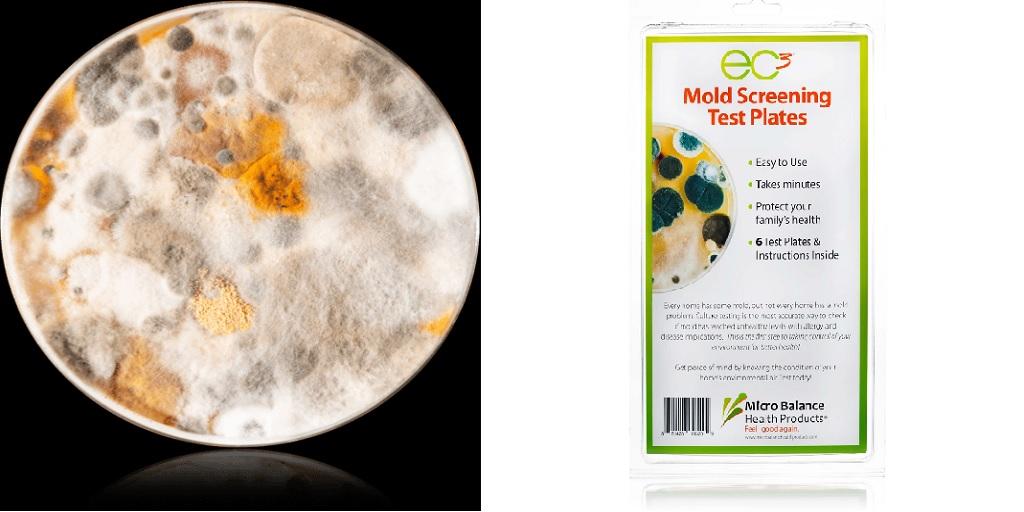
Finding mold after using a home mold test kit can be unsettling, but it gives you a starting point for dealing with the problem. The next step is to find out why the mold appeared, how far it has spread, and what needs to be done to prevent it from returning. Simply wiping away visible spots won't solve the issue if moisture remains behind the surface.
Find the Source of the Moisture
Before reaching for cleaning products, look for the conditions that allowed mold to grow. Mold needs moisture, and common sources include leaking pipes, roof damage, condensation, poor ventilation, and water entering through basement walls.
Inspect the area where you found the growth, then check nearby surfaces. Look around windows, beneath sinks, behind appliances, inside cabinets, and along basement walls. A flashlight can help reveal patches that aren't obvious under normal lighting. Pay attention to dusty areas, too. Mold can establish itself where household dust collects, particularly in places that stay damp and rarely get cleaned.
If you find a leak, repair it first. Check indoor humidity as well. A dehumidifier can help control excess moisture in basements and other damp rooms, while bathroom and kitchen exhaust fans help remove humid air.
Decide Whether You Need Professional Help
Small areas of surface mold may be manageable with careful cleaning. However, extensive growth, recurring mold, or contamination involving porous building materials calls for professional assessment. You should also seek expert help if mold is present in your heating and cooling system or if you suspect it has spread inside walls, ceilings, or flooring.
Avoid disturbing large moldy areas. Scraping, sanding, or dry-brushing contaminated surfaces can release particles into the air and spread the problem. A qualified remediation professional can determine how much material needs to be removed and whether additional testing is appropriate.
Gather the Right Cleaning Supplies
For a small, manageable area, useful supplies include:
- Nitrile or rubber gloves: Protect your hands during cleanup.
- Protective eyewear: Helps prevent cleaning products and debris from reaching your eyes.
- An N95 respirator: Reduces exposure to airborne particles.
- Detergent and water: Suitable for cleaning mold from many hard, nonporous surfaces.
- Mold solution concentrate and mold solution spray: Use these to spray or wipe surfaces to remove mold and mycotoxin spores. Choose gentle, non‑toxic solutions that fit seamlessly into everyday routines, such as the EC3 Mold Solution Concentrate and Mold Solution Spray.
- A dehumidifier or fan: Helps dry the room after the moisture problem has been corrected.
Clean hard surfaces with detergent and water, then dry them thoroughly. Follow the label instructions for any commercial mold cleaner you choose. Never mix cleaning products, particularly bleach with ammonia or other household cleaners. Bleach isn't a universal solution, and applying it without addressing the underlying moisture won't prevent mold from returning.
Porous materials such as carpet, ceiling tiles, insulation, and heavily contaminated drywall may need to be discarded rather than cleaned. Don't assume that spraying a product on them will remove mold growing below the surface.
Keep the Area Clean and Dry
Once cleanup is complete, make moisture control part of your regular household maintenance. Dry wet surfaces promptly, fix plumbing problems as soon as they appear, and avoid allowing condensation to collect around windows or on exterior walls.
Move furniture slightly away from cold walls to improve airflow. Clean overlooked spaces, including the backs of cabinets, underneath drawers, and behind large pieces of furniture. Dust can collect in these areas, and limited airflow can make moisture problems worse.
Keep Using a Home Mold Test Kit as Part of Routine Home Care
A mold test is most useful when it helps you investigate a specific concern. DIY kits can provide an indication of possible mold growth, but results need careful interpretation. A petri dish that develops colonies doesn't necessarily tell you how serious a problem is, what species are present, or where the moisture is coming from. If results are unclear or the problem persists, consider a qualified inspection.
Including periodic mold checks in your cleaning routine can help you notice musty odors, water stains, condensation, and suspicious growth before damage becomes extensive. Testing is especially worth considering after a leak, flooding, or a prolonged period of damp weather. A home mold test kit can be one useful part of that process, but the most effective protection is a home that stays clean, dry, and well-ventilated.

 English
 French
 Spanish
 Portuguese
 Deutsch
 Turkish
 Dutch
 Italiano
 Russian
 Romaian
 Portuguese (Brazil)
 Greek
