

How to Choose the Right Dye Color for Facial Hair
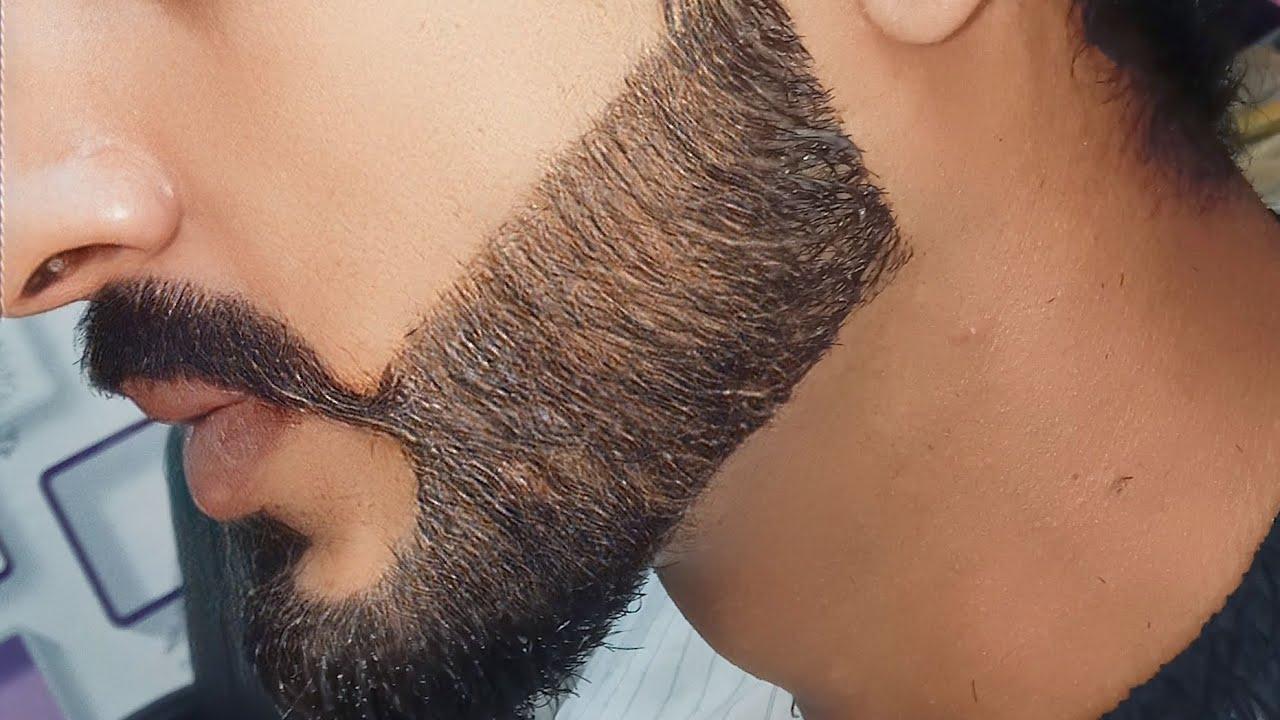
Choosing the right shade for facial hair can make a noticeable difference in how natural, polished, or bold your overall appearance looks. The goal is not simply to pick a color that is close to your hair on top. You also want a shade that works with your skin tone, age, facial hair density, and grooming routine. Whether you are covering gray, darkening a lighter beard, or trying to even out patchy areas, the best result usually comes from a shade that blends rather than stands out.
If you are new to coloring facial hair, it helps to understand how different products behave. Some formulas are designed for quick touch-ups, while others offer longer coverage and deeper color. For example, a mustache and beard dye product may be a practical option for someone looking to target specific areas with more control. Before you choose anything, though, it is worth learning how color selection works so you can avoid a result that looks too harsh, too dark, or unnatural in daylight.
Key points
- Pick a shade that complements your natural hair and skin tone, not just your scalp hair.
- Start one shade lighter if you are unsure, since facial hair often appears darker once applied.
- Gray coverage works best when the color blends gradually instead of creating a flat, single-tone look.
- Patch tests and strand tests help prevent irritation and color surprises.
- Maintenance matters because facial hair grows fast and color can fade unevenly.
Why facial hair color needs a different approach
Facial hair is often coarser than head hair, and it can absorb dye differently. That means a color that looks perfect on your head may appear too strong on your beard or mustache. The face also sits close to the eyes and mouth, so precision matters more than it does with regular hair coloring. In addition, beard hair is affected by sunlight, shaving, oils, and skin contact, all of which can influence how long the color lasts.
Another important factor is visibility. Beard color is usually seen in brighter, more direct light than scalp hair. A shade that looks subtle indoors can seem much darker outdoors. That is why many grooming professionals recommend choosing a color that matches your natural depth but still allows slight variation in tone.
Start with your natural color
Match your beard, not just your hair
The most natural-looking result usually comes from choosing a dye color that is close to your current facial hair. If your beard is already medium brown, avoid jumping to jet black unless your natural coloring strongly supports it. A color that is too dark can create a painted look, especially around the cheeks and mustache line.
If your facial hair is mostly gray, think about whether you want full coverage or just a softer blend. Some men prefer to reduce the contrast without eliminating every gray strand. In that case, a slightly lighter brown or dark blond can look more realistic than a dense, uniform black.
Consider your hair on top
For many people, the best facial hair color is one that coordinates with the hair on the head. That does not mean it has to be identical. A beard can often be a half shade darker than scalp hair and still look natural. The key is balance. If your head hair is dark brown and your beard is lighter, a matching medium brown can create harmony without looking artificial.
Use skin tone as a guide
Skin tone influences how a facial hair color reads on the face. Warm skin tones usually pair well with rich browns, chestnut shades, and soft black-brown colors. Cooler skin tones often look better with neutral browns or ash-based shades that reduce redness. If you have fair skin, very dark dye can be especially harsh because it creates a strong contrast. Medium and deeper skin tones can often support richer shades more easily, but the final effect still depends on undertone and personal style.
A simple way to think about it is this: the lighter your skin, the softer your facial hair color usually needs to be. The darker your skin, the more depth your beard color can often handle without looking unnatural. Even so, the best shade is one that enhances your face rather than overpowering it.
Choose based on your goal
For gray coverage
If your main goal is to cover gray, the best color is usually not the darkest possible option. Gray hair needs a shade that can blend into the remaining natural color. A medium brown or dark brown often works better than black because it softens the transition. This is especially true if the gray is concentrated in the chin or side areas.
For patchy facial hair
Patchiness can sometimes be reduced visually by using a color that evens out the contrast between thicker and thinner areas. A shade that closely matches the darker parts of your beard usually works best. Extremely dark colors may actually make patchy areas more visible because they draw attention to uneven growth patterns.
For a bold look
Some people want a stronger, more defined beard. In that case, a deeper shade can add structure, especially if the beard is full and evenly grown. Still, it is smart to stay within a natural range. A beard that is noticeably darker than the hair and eyebrows can look disconnected unless the overall style supports it.
Test before you commit
Before applying dye across the whole beard, test the color first. A small patch test on the skin is essential for safety, since facial skin can react more quickly than scalp skin. Once that is done, test a small hidden section of hair to see how the dye develops. This helps you judge the final shade under real conditions rather than relying on the box or product label alone.
Pay attention to lighting as well. Check the color in daylight, bathroom lighting, and indoor evening light. Facial hair can shift in appearance depending on the environment, and a shade that looks subtle in one setting may seem much stronger in another.
Think about maintenance and fading
Facial hair dye does not stay perfect forever. Washing, beard oil, sun exposure, and friction from masks or collars can all cause fading. Darker colors may fade unevenly and show roots more clearly. Lighter tones often grow out more naturally but may not provide enough coverage for gray.
If you want lower maintenance, choose a shade close to your natural color. That way, regrowth is less noticeable. If you prefer a more dramatic change, be prepared for more frequent touch-ups. Keeping a consistent grooming routine also helps the color look even for longer.
Common mistakes to avoid
- Choosing jet black when your natural beard is medium brown or lighter.
- Ignoring skin undertone and focusing only on the color of head hair.
- Skipping a strand test and ending up with a result that is too dark.
- Using one solid color when a softer blend would look more realistic.
- Forgetting that beard hair often appears darker after application.
How to make the result look natural
Natural-looking facial hair color usually comes from moderation. Select a shade that adds definition without creating a hard line between your beard and skin. Keep the application even, but do not overdo the product. Blending is especially important around the mustache, sideburns, and jawline, where color changes are easiest to spot.
It also helps to maintain your beard shape. Even a well-chosen color can look off if the beard is untrimmed or uneven. Clean edges, regular trimming, and proper washing all support a better final appearance.
Conclusion
Choosing the right dye color for facial hair is less about finding the darkest or most dramatic option and more about finding the shade that fits your natural features. The best choice usually complements your hair, skin tone, and grooming goals while keeping the result believable. Start conservatively, test before applying fully, and focus on blend rather than contrast. With the right shade and a careful approach, facial hair color can enhance your look in a subtle and effective way.
FAQ
Should beard dye match my scalp hair exactly?
Not necessarily. A beard can be slightly darker or lighter than scalp hair and still look natural. The key is keeping the tones compatible.
Is black beard dye always too harsh?
Not always, but it can look severe on lighter skin tones or on men whose natural facial hair is not very dark. Brown shades are often a safer choice.
What if my beard is mostly gray?
If your beard is heavily gray, choose a shade that blends with the remaining natural color rather than aiming for the darkest coverage possible. Medium brown often gives a softer result.
How can I tell if a color will suit my skin tone?
Look at whether your skin has warm, cool, or neutral undertones, then choose a beard color that fits that undertone. Warm skin usually works well with richer browns, while cool skin often pairs better with neutral or ash-based shades.
How often do I need to re-dye facial hair?
It depends on growth rate and how often you wash or style your beard. Many people need touch-ups every couple of weeks, but lighter or more blended shades may last longer visually.
Can I use regular hair dye on my beard?
It is better to use a product designed for facial hair because the skin on the face is more sensitive and beard application requires greater precision.

 English
 Arabic
 French
 Portuguese
 Deutsch
 Turkish
 Dutch
 Italiano
 Russian
 Romaian
 Portuguese (Brazil)
 Greek
