

Can Laser Tattoo Removal Remove Tribal and Traditional Tattoos?
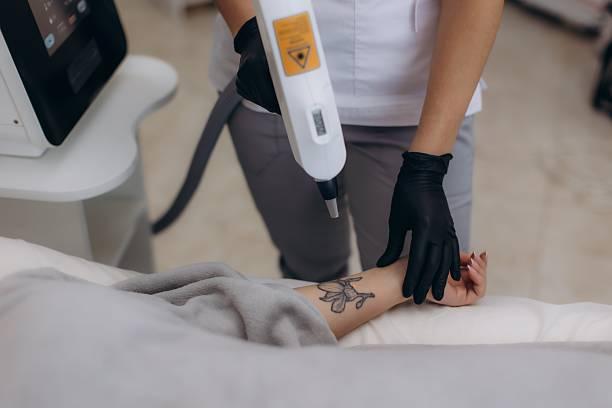
Tribal and traditional tattoos often feature bold patterns, dark outlines, and symbolic designs that represent cultural identity, personal history, or artistic expression. Although these tattoos are frequently created with dense pigments and intricate patterns, laser technology can help fade or remove many unwanted designs. The treatment works by targeting tattoo ink beneath the skin and breaking it into smaller particles that the body's natural immune system gradually clears. Laser Tattoo Removal in Riyadh can be considered by individuals who want to reduce the appearance of old tribal or traditional tattoos.
However, removing these tattoos may require a personalised treatment approach because their ink density, pigment depth, colour, and coverage area can vary considerably. Some traditional tattoos contain deeply embedded black or dark pigments, while others feature multiple colours or handmade ink mixtures. These characteristics influence how the tattoo responds to laser treatment. Before choosing Laser Tattoo Removal in Riyadh, a professional assessment helps determine suitable laser settings, expected treatment sessions, and realistic results.
What Are Tribal and Traditional Tattoos?
Tribal tattoos generally feature bold geometric patterns, repeated lines, and decorative shapes. They may cover areas such as the arms, shoulders, chest, back, or legs. Traditional tattoos can include cultural symbols, lettering, religious imagery, or designs created using historical tattooing methods.
These tattoos may differ from modern decorative tattoos in their pigment composition, application technique, and ink depth.
Some common characteristics include:
-
Bold black patterns: Many tribal tattoos use dark pigments and thick outlines.
-
Dense ink coverage: Certain designs contain heavily filled sections.
-
Deep pigment placement: Traditional application methods may result in uneven or deeply deposited ink.
-
Large coverage areas: Some designs extend across multiple body regions.
-
Mixed pigment compositions: Handmade or traditional inks may contain ingredients that respond unpredictably to laser energy.
Understanding these characteristics helps specialists plan an appropriate removal strategy.
Can Laser Treatment Remove Tribal Tattoos?
Yes, many tribal tattoos can be treated with laser technology. Black tribal designs may respond well because black pigment absorbs commonly used laser wavelengths effectively. However, heavily saturated areas and deeply embedded ink may require additional sessions.
The tattoo's size and density also influence the treatment process. A small tribal symbol may require less appointment time than a full-arm or full-back design, although the actual number of sessions depends on its pigment characteristics and individual skin response.
It is important to understand that significant fading is possible, but complete removal cannot be guaranteed.
Can Traditional Tattoos Be Removed With Laser Technology?
Traditional tattoos can also be considered for laser removal, but their response depends on the ink used and how it was applied. Some older tattoos contain pigments that have faded naturally, while others may have dense or unusual ink compositions.
Older Traditional Tattoos
Older tattoos may sometimes be easier to treat because the body's natural processes have already reduced some pigment over time. However, age alone does not guarantee faster removal.
Handmade or Amateur Traditional Tattoos
Some traditional tattoos are created using handmade techniques or non-standard inks. Their pigment depth and composition may be inconsistent, which can make their response to laser energy less predictable.
Multicoloured Traditional Tattoos
Traditional designs may contain red, green, blue, or other colours alongside black ink. Different pigments absorb different laser wavelengths, so more than one wavelength may be required.
How Does Laser Tattoo Removal Work on Tribal and Traditional Designs?
Laser tattoo removal uses short pulses of concentrated light energy to target pigment particles inside the skin. The selected wavelength is absorbed by the ink, helping break it into smaller fragments. The body's immune system gradually processes and clears these fragments.
Step 1: Tattoo and Skin Assessment
The specialist examines the tattoo's size, colour, age, location, and pigment density. Skin type and previous tattoo treatments are also considered.
Step 2: Laser Selection
The appropriate laser technology and wavelength are selected according to the tattoo's pigment characteristics. Dark and coloured inks may require different settings.
Step 3: Targeted Laser Application
Controlled laser pulses are delivered to the tattooed area. The specialist adjusts the treatment approach according to the skin's response and the design's characteristics.
Step 4: Natural Ink Clearance
After treatment, the body's immune system gradually removes the fragmented pigment particles. The tattoo becomes lighter over time rather than disappearing immediately.
Step 5: Follow-Up Treatment
The specialist evaluates the fading and skin recovery before recommending another session. Adequate time between treatments is important for healing.
What Factors Affect the Removal of Tribal and Traditional Tattoos?
Ink Density and Depth
Tribal tattoos often contain thick outlines and densely filled sections. Concentrated or deeply deposited pigment may require additional sessions.
Tattoo Colour
Black ink is often more responsive to commonly used laser wavelengths. Green, turquoise, yellow, and some lighter pigments can be more difficult to remove.
Tattoo Age
Older tattoos may have faded naturally, but the actual response depends on the remaining pigment and its composition.
Tattoo Size and Location
Large designs require more treatment coverage. Tattoos on the hands, feet, ankles, and lower legs may sometimes fade more slowly than those on areas with stronger circulation.
Skin Type
Skin tone influences laser selection and treatment settings. A qualified professional must choose appropriate parameters to target the pigment while reducing the risk of unwanted skin reactions.
Previous Treatment History
If the tattoo has previously undergone laser removal or another procedure, the specialist should know about it. Previous reactions and changes in the skin can affect future treatment planning.
How Many Sessions Are Needed to Remove Tribal and Traditional Tattoos?
There is no standard number of sessions for every tribal or traditional tattoo. Smaller designs with responsive black ink may require fewer treatments than large, densely pigmented patterns. However, some smaller tattoos can also be difficult to remove because of their ink depth or composition.
Laser sessions are generally spaced several weeks apart to allow the skin to recover and the body to clear fragmented pigment. The specialist monitors the fading process and adjusts the treatment plan according to individual progress.
Some tattoos may become significantly lighter, while others may retain faint outlines or residual pigment. Complete removal cannot be guaranteed.
Is Laser Tattoo Removal Safe for Traditional Tattoos?
Laser tattoo removal can be appropriate for selected traditional tattoos when the correct technology and settings are used by a qualified professional. However, possible side effects include temporary redness, swelling, tenderness, blistering, pigmentation changes, and, less commonly, scarring.
Traditional or handmade pigments may react unpredictably, so an assessment and possible test spot can be particularly important. Patients should follow aftercare instructions, avoid picking scabs or blisters, and protect the treated area from excessive sun exposure.
If the treated skin develops worsening pain, spreading redness, pus, or fever, medical assessment is recommended.
Explore Tattoo Removal Options at Royal Clinic Saudia
If you want to fade an unwanted tribal or traditional tattoo, Royal Clinic Saudia can help you understand the available treatment options. Schedule a consultation to discuss your tattoo's pigment, size, and skin characteristics and explore whether Laser Tattoo Removal in Riyadh is suitable for your individual needs.
FAQs:
Can black tribal tattoos be removed with laser treatment?
Yes. Black tribal tattoos often respond well to laser treatment because dark pigments absorb commonly used laser wavelengths effectively. Dense or deeply embedded ink may still require multiple sessions.
Are traditional tattoos harder to remove than modern tattoos?
Some traditional tattoos can be more challenging because they may contain handmade pigments, uneven ink placement, or deeply deposited colour. However, removal difficulty depends on the individual tattoo rather than its category alone.
Can large tribal tattoos be removed completely?
Large tribal tattoos can be treated, but they may require an extended treatment course. Significant fading is possible, although complete removal cannot be guaranteed.
Does tattoo age affect the removal of traditional designs?
Yes. Older tattoos may have faded naturally, which can sometimes make treatment easier. However, ink composition, depth, and density remain important factors.

 English
 Arabic
 French
 Portuguese
 Deutsch
 Turkish
 Dutch
 Italiano
 Russian
 Romaian
 Portuguese (Brazil)
 Greek
