

How Does Acne Treatment Work for Sensitive Skin?
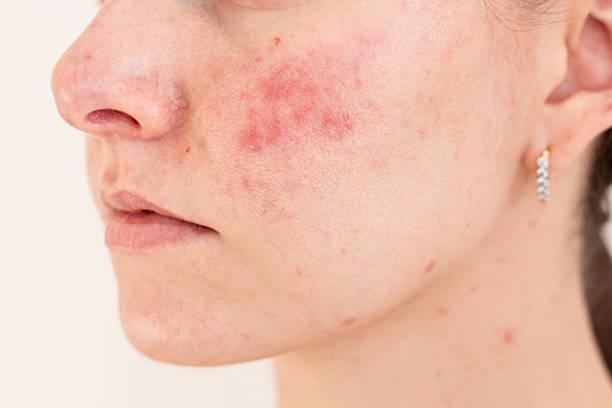
Managing acne can be challenging when your skin is naturally sensitive. Redness, dryness, itching, and irritation may occur easily, especially when using strong skincare products or exfoliating ingredients. Sensitive skin requires a careful approach that controls breakouts without damaging the skin's protective barrier. Professional Acne Treatment in Riyadh can help identify the causes of acne and determine suitable options based on skin sensitivity, acne severity, and individual skincare needs.
Unlike other skin types, sensitive skin may react more noticeably to ingredients such as retinoids, benzoyl peroxide, and exfoliating acids. Using multiple active products without guidance can increase irritation and make existing acne concerns worse. A dermatologist can recommend a gradual treatment plan that balances acne control with skin comfort. With the right approach, Acne Treatment in Riyadh can help manage breakouts while supporting the skin's natural barrier.
Why Does Sensitive Skin Develop Acne?
Sensitive skin can develop acne for many of the same reasons as other skin types, including clogged pores, excess oil, hormonal changes, and inflammation. However, its protective barrier may be more reactive to environmental factors and skincare ingredients.
Common factors that may contribute to acne and sensitivity include:
-
Harsh skincare products: Strong cleansers and exfoliants may weaken the skin barrier and cause irritation.
-
Over-exfoliation: Frequent use of scrubs or chemical exfoliants can lead to dryness and redness.
-
Incorrect product selection: Heavy or pore-clogging products may contribute to breakouts.
-
Environmental triggers: Sun exposure, pollution, heat, and changes in weather may worsen sensitivity.
-
Hormonal fluctuations: Changes in hormone levels can increase oil production and contribute to acne.
Understanding these factors helps determine which treatments are appropriate for sensitive, acne-prone skin.
How Does Professional Acne Treatment Work for Sensitive Skin?
Professional acne care begins with evaluating both the acne and the skin's sensitivity. The dermatologist may examine the affected areas, review current skincare products, and ask about previous reactions or allergies.
Based on this assessment, treatment may focus on reducing clogged pores, controlling inflammation, and preventing new breakouts while minimizing irritation.
Gentle Skin Cleansing
A mild cleanser helps remove excess oil, sweat, and impurities without stripping the skin's natural moisture. Gentle cleansing is especially important for sensitive skin because harsh washing can increase dryness and irritation.
Carefully Selected Acne Ingredients
Some acne ingredients can be introduced gradually to help sensitive skin adjust. A dermatologist may recommend a suitable formulation and frequency rather than starting several active products together.
Barrier-Supporting Skincare
Moisturizers containing ingredients such as ceramides, glycerin, or hyaluronic acid may help maintain hydration and support the skin barrier. A healthy barrier can make acne care more comfortable and reduce irritation.
Which Acne Treatments Are Suitable for Sensitive Skin?
The most appropriate treatment depends on the type of acne, skin condition, and individual tolerance. Some commonly used options may be suitable when introduced carefully.
Low-Strength Salicylic Acid
Salicylic acid helps loosen dead skin cells and unclog pores. Lower-strength formulations may be considered for selected people with sensitive skin, although irritation and dryness can still occur.
Azelaic Acid
Azelaic acid can help manage acne-related inflammation and clogged pores. It may also improve the appearance of dark marks left after breakouts. Some people experience mild stinging or dryness when first using it.
Gentle Retinoid Treatment
Topical retinoids help prevent clogged pores and reduce the formation of new acne lesions. However, they can cause dryness, peeling, and irritation, particularly on sensitive skin. A dermatologist may recommend a gradual introduction or an alternative treatment when appropriate. Retinoids are generally avoided during pregnancy.
Benzoyl Peroxide
Benzoyl peroxide helps reduce acne-associated bacteria and inflammatory breakouts. It may be useful in selected cases, but it can cause dryness and irritation. A lower-strength product and careful application may improve tolerability under professional guidance.
Can Professional Procedures Help Sensitive Acne-Prone Skin?
Some in-clinic procedures may help address specific acne concerns, but not every procedure is suitable for sensitive skin. A dermatologist should evaluate the skin before recommending any treatment.
Chemical Peels
Selected superficial chemical peels may help exfoliate dead skin cells and improve clogged pores. However, even mild peels can cause redness, stinging, dryness, or peeling. The ingredients and strength must be chosen carefully.
Laser and Light-Based Treatments
Certain light-based procedures may help manage selected forms of inflammatory acne. Laser treatments may also be used for particular acne-related marks or scars. Suitability depends on the technology, skin tone, sensitivity, and treatment goals.
Professional Skin Treatments
Gentle professional treatments may help support a skincare routine, but aggressive exfoliation and unnecessary procedures should be avoided when the skin barrier is irritated.
How Can You Prevent Irritation During Acne Treatment?
A consistent, simple skincare routine can help reduce unnecessary irritation while managing acne. Consider these practical steps:
-
Use a gentle, fragrance-free cleanser suitable for sensitive skin.
-
Apply a non-comedogenic moisturizer regularly.
-
Use broad-spectrum sunscreen with SPF 30 or higher.
-
Introduce new acne products one at a time.
-
Avoid rough scrubs and excessive exfoliation.
-
Do not combine several strong active ingredients without professional advice.
-
Avoid picking, squeezing, or scratching pimples.
-
Follow the recommended treatment schedule.
If a product causes persistent burning, swelling, or significant redness, stop using it and seek professional advice.
What Should You Avoid If You Have Sensitive Skin and Acne?
Certain habits can make acne and skin sensitivity more difficult to manage. Avoid using lemon juice, baking soda, undiluted essential oils, or harsh homemade scrubs on the face. These ingredients may irritate the skin and damage its protective barrier.
It is also important not to wash your face excessively or switch between multiple acne products in a short period. A simple routine with suitable ingredients is often easier for sensitive skin to tolerate.
When Should You Visit a Dermatologist?
Consider professional advice if your acne continues despite gentle skincare, becomes painful, leaves dark marks or scars, or causes repeated irritation from products. A dermatologist can also help distinguish acne from other conditions that may cause redness and bumps, such as rosacea or contact dermatitis.
Early evaluation can help prevent unnecessary product use and identify treatments that are appropriate for your skin.
Professional Acne Treatment in Riyadh at Royal Clinic Saudia
Sensitive skin needs an approach that balances effective acne management with proper skin-barrier care. At Royal Clinic Saudia, a professional skin assessment can help identify your acne concerns and determine suitable treatment options. A personalized Acne Treatment in Riyadh plan may include gentle skincare recommendations, appropriate medical treatments, and selected professional procedures to support clearer and healthier-looking skin.
FAQs:
1. Can sensitive skin be treated for acne?
Yes. Sensitive skin can be treated with suitable skincare products, medications, and selected professional procedures. The treatment should be chosen according to acne severity and individual skin tolerance.
2. Which acne ingredient is best for sensitive skin?
Azelaic acid may be suitable for some people with sensitive, acne-prone skin. However, the best ingredient depends on the individual's skin condition, medical history, and tolerance.
3. Can acne treatments make sensitive skin worse?
Some treatments can cause temporary dryness, redness, peeling, or irritation. Using unsuitable products or combining several active ingredients may increase these reactions. Professional guidance can help reduce the risk.
4. Should I moisturize if I have sensitive and acne-prone skin?
Yes. A lightweight, non-comedogenic moisturizer can help maintain hydration and support the skin barrier. Choose a formula that is suitable for sensitive skin and does not clog pores.

 English
 Arabic
 French
 Spanish
 Portuguese
 Deutsch
 Turkish
 Dutch
 Italiano
 Russian
 Romaian
 Portuguese (Brazil)
