

Can Lip Fillers Be Dissolved If You Are Unhappy With the Results?
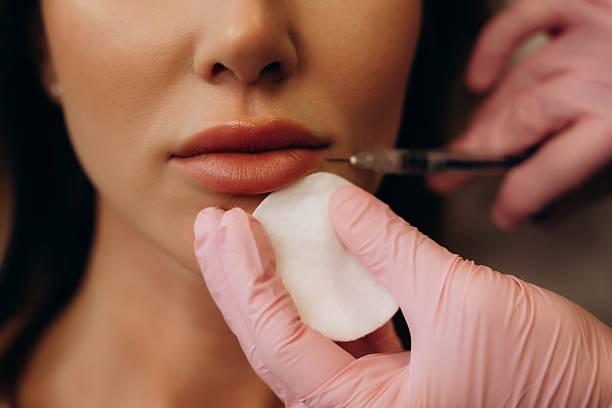
Lip filler treatments can enhance lip volume, improve definition, and create a more balanced appearance. However, some people may feel dissatisfied with their results because of excessive fullness, uneven contours, unwanted changes in lip shape, or personal preferences. The good news is that many commonly used hyaluronic acid fillers can be dissolved using a medical enzyme called hyaluronidase. Lip Fillers Injections in Riyadh are often performed with hyaluronic acid products, making it possible to consider professional correction when the outcome is not what a patient expected.
Dissolving filler is a medical procedure that should only be performed after an appropriate assessment. The practitioner needs to identify the type of filler used, evaluate the treated area, and determine whether dissolving is suitable. Lip Fillers Injections in Riyadh should always involve a discussion of possible results, limitations, and complications before treatment. Although hyaluronic acid filler can often be dissolved, the process does not guarantee that the lips will return immediately to their original appearance.
Can Lip Fillers Really Be Dissolved?
Yes. Many hyaluronic acid-based lip fillers can be broken down with hyaluronidase, an enzyme that helps degrade hyaluronic acid. It is used in medical settings to manage certain unwanted filler results and complications.
However, not every injectable filler can be dissolved with this enzyme. Fillers made from materials such as calcium hydroxylapatite, poly-L-lactic acid, or permanent substances do not respond to hyaluronidase in the same way.
Before any dissolving treatment, patients should try to confirm which product was injected. If the product is unknown, the practitioner may need additional information or assessment before deciding how to proceed.
What Is Hyaluronidase and How Does It Work?
Hyaluronidase is an enzyme that breaks down hyaluronic acid. When injected into an area containing suitable hyaluronic acid filler, it helps the body absorb and clear the material.
Breaking Down Hyaluronic Acid Filler
The enzyme works by breaking the structure of hyaluronic acid into smaller components. These can then be processed naturally by the body.
Targeting Specific Areas
A qualified practitioner may inject hyaluronidase into selected areas where filler needs to be reduced. The amount and placement depend on the type of filler, its location, and the reason for dissolving it.
Gradual Changes in Lip Appearance
Some changes may become noticeable relatively quickly, but the final outcome can take additional time to assess. Swelling and tissue responses may temporarily affect the appearance after treatment.
Why Might Someone Want to Dissolve Lip Fillers?
There are several reasons a person may consider dissolving previously injected lip filler.
Excessive Lip Volume
Sometimes the lips appear fuller than expected. This may happen because too much filler was used, the product was not suited to the desired result, or the patient has changed their aesthetic preferences.
Uneven Lip Shape
Uneven volume, visible irregularities, or an unbalanced upper and lower lip may lead someone to seek correction. A practitioner should first determine whether the appearance is caused by filler placement, temporary swelling, or another factor.
Lumps or Firm Areas
Small lumps or areas of firmness may occur after treatment. Some are temporary and settle as the lips heal, while others may need professional assessment. Not every lump requires dissolving.
Unwanted Cosmetic Results
A patient may simply prefer their original lip shape or decide that the enhancement does not suit their facial features. Dissolving may be an option if the filler is hyaluronic acid-based and the practitioner considers it appropriate.
When Is the Right Time to Dissolve Lip Fillers?
It is important not to judge the final result too early. Swelling, bruising, and tenderness are common after lip filler injections and may temporarily make the lips look uneven or overly full.
For non-urgent cosmetic concerns, practitioners often recommend allowing the initial swelling to settle, with the result generally easier to assess after approximately two weeks. However, this does not mean patients should wait if they experience symptoms suggesting a serious complication.
Severe or increasing pain, unusual pale or blue discoloration, mottled skin, blistering, or sudden vision changes require immediate medical attention. These may indicate vascular compromise or another serious problem and should never be treated as routine cosmetic concerns.
What Happens During the Lip Filler Dissolving Procedure?
The process begins with a consultation. The practitioner reviews the patient's treatment history, identifies the filler product where possible, and examines the lips.
If hyaluronidase is appropriate, the treatment area is cleaned and the enzyme is injected into selected locations. The amount used depends on the clinical situation and the practitioner's assessment.
Some patients may need more than one treatment session. The practitioner should reassess the lips before deciding whether additional enzyme is necessary. Patients should never attempt to dissolve filler themselves or seek injections from an unqualified provider.
Are There Any Side Effects of Hyaluronidase?
Hyaluronidase can cause temporary swelling, redness, tenderness, bruising, or discomfort at the injection site. Some patients may experience an allergic reaction, which can occasionally be serious.
The enzyme may also break down some of the body's naturally occurring hyaluronic acid, not only the injected filler. This can temporarily affect the appearance of the lips. The tissue generally recovers over time, but the exact response varies.
Patients should inform their practitioner about previous allergic reactions, medical conditions, and relevant treatment history. Any breathing difficulty, facial or throat swelling, or widespread allergic symptoms after treatment require emergency medical attention.
Will Your Lips Return to Their Original Shape?
Dissolving hyaluronic acid filler can reduce the added volume, but it cannot guarantee an exact return to the lips' original appearance. The result depends on the amount and location of filler, the condition of the tissue, and individual healing responses.
Some people may notice temporary changes in fullness or texture after dissolving. A practitioner may recommend allowing the lips to settle before considering another cosmetic treatment.
How Can You Avoid Unsatisfactory Lip Filler Results?
Careful planning can reduce the likelihood of unwanted outcomes. Consider these steps before treatment:
-
Choose an appropriately qualified medical practitioner with experience in facial anatomy.
-
Discuss your desired lip shape and realistic expectations.
-
Ask which filler product will be used and confirm that it is suitable for lip enhancement.
-
Prefer a conservative treatment plan rather than excessive volume.
-
Share details of previous filler treatments and relevant medical history.
-
Follow the practitioner's aftercare instructions and attend recommended reviews.
A thoughtful consultation and appropriate product selection can help support a more predictable treatment experience.
Book a Lip Filler Consultation at Royal Clinic Saudia
If you are unhappy with a previous lip filler result or want to understand your correction options, a professional assessment is an important first step. At Royal Clinic Saudia, patients can discuss their concerns, review their treatment history, and explore suitable options with a qualified practitioner. An individual consultation can help determine whether Lip Fillers Injections in Riyadh or a professional dissolving procedure is appropriate for their needs.
FAQs:
1. Can all types of lip fillers be dissolved?
No. Hyaluronidase can dissolve many hyaluronic acid fillers, but it does not dissolve other materials such as calcium hydroxylapatite, poly-L-lactic acid, or permanent fillers.
2. How quickly does hyaluronidase dissolve lip fillers?
Some changes may become noticeable relatively quickly, but the final appearance can take longer to assess. The response depends on the filler, treatment area, and individual factors.
3. Can dissolving lip fillers cause side effects?
Yes. Temporary swelling, redness, bruising, and tenderness may occur. Allergic reactions are also possible, so the procedure should be performed by a qualified medical professional.
4. Can I get new lip fillers after dissolving the old ones?
Possibly. A practitioner should first assess how the lips have recovered and whether further enhancement is appropriate. The timing depends on the individual's healing and clinical circumstances.

 English
 Arabic
 French
 Spanish
 Portuguese
 Deutsch
 Turkish
 Italiano
 Russian
 Romaian
 Portuguese (Brazil)
 Greek
