

STD Test in Dubai: PCR Panels vs Standard Cultures
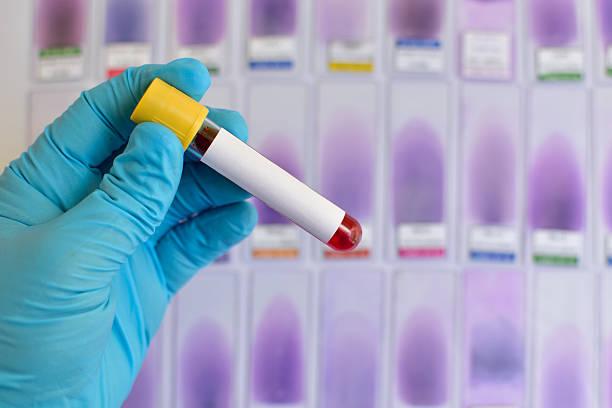
Choosing the right laboratory method can influence how accurately a clinician investigates a suspected sexually transmitted infection. An STD Test in Dubai may involve molecular testing, bacterial culture, blood-based screening or a combination of diagnostic approaches. Multiplex PCR panels and standard cultures are two different methods, each with its own strengths, limitations and clinical applications.
PCR-based tests detect genetic material from specific organisms, while cultures attempt to grow viable microorganisms under controlled laboratory conditions. These methods do not answer exactly the same questions. Understanding the difference helps patients recognise why a healthcare professional may recommend one test rather than another.
What Is Multiplex PCR Testing in an STD Test in Dubai?
Polymerase chain reaction, or PCR, is a molecular diagnostic method that detects selected genetic sequences. Multiplex PCR can investigate several targets within a single testing process, depending on the laboratory's validated panel.
For sexual health screening, a multiplex panel may include selected organisms associated with genital or urinary infections. The exact targets vary by laboratory and test specification.
How PCR Detects Infection
A sample is collected from an appropriate site, such as urine, a genital swab or another indicated location. The laboratory processes the sample and uses molecular techniques to identify genetic material associated with the organisms included in the test.
The method can be useful when organisms are difficult to grow in routine culture or when a clinician needs to investigate several possible causes of symptoms.
Potential Advantages of Multiplex PCR
Depending on the validated assay, multiplex PCR may offer:
-
Detection of multiple organisms from one sample.
-
High analytical sensitivity for the included targets.
-
Faster detection than some culture-based methods.
-
Useful testing for certain organisms that are difficult to culture.
-
Identification of infections that may not produce obvious symptoms.
However, a multiplex result only covers the organisms included in the panel. It does not automatically represent a complete sexual health assessment.
How Standard Cultures Work
Culture testing uses a different principle. Instead of detecting genetic material, the laboratory attempts to grow viable bacteria from the collected specimen.
If the organism grows under the required conditions, the laboratory can identify it using established methods. Some cultures can also support antimicrobial susceptibility testing, which examines how an organism responds to selected antibiotics.
When Culture Testing Is Valuable
Culture can be particularly important when antimicrobial resistance is a clinical concern.
For example, in certain cases of suspected gonorrhoea, culture may help determine whether the organism is susceptible or resistant to specific antibiotics. This information can guide treatment decisions.
Culture may also be useful for investigating other bacterial infections when the clinician needs evidence of viable organisms.
Limitations of Standard Cultures
Culture results depend on several factors, including sample quality, transport conditions, organism viability and laboratory methods.
Some organisms are difficult to grow using routine techniques. A negative culture therefore does not necessarily exclude every infection that could be detected through a different diagnostic method.
Multiplex PCR vs Culture: Understanding the Differences
Although both methods can contribute to infection diagnosis, their purposes differ.
| Feature | Multiplex PCR | Standard culture |
|---|---|---|
| Main principle | Detects selected genetic material | Attempts to grow viable organisms |
| Multiple targets | Can test several targets in one assay | Usually investigates selected organisms separately |
| Detection of difficult-to-culture organisms | May be useful for included targets | Can be limited |
| Antimicrobial susceptibility | Not routinely provided by every panel | Can support susceptibility testing when growth is obtained |
| Result interpretation | Depends on target detection and clinical context | Depends on organism growth and identification |
| Main limitation | Detects only included targets and may detect residual genetic material | Requires viable organisms and suitable growth conditions |
Neither method is universally superior. The appropriate choice depends on the suspected infection and the clinical question.
Which Method Is Better for Chlamydia and Gonorrhoea?
NAAT-based testing is widely used for diagnosing chlamydia and gonorrhoea. These tests detect genetic material and are commonly performed on urine or site-specific swab samples.
For routine screening, molecular testing is often preferred because it can detect infections that may not be identified through standard culture.
However, culture remains important in selected situations, particularly when gonorrhoea treatment failure or antimicrobial resistance is suspected. A clinician may request culture alongside molecular testing to obtain information that a routine PCR result does not provide.
Can PCR Identify Antibiotic Resistance?
Some specialised molecular assays can detect specific genetic markers associated with antimicrobial resistance. However, not every multiplex panel includes these targets, and a negative resistance-marker result does not necessarily prove that an organism is susceptible to every antibiotic.
Culture-based susceptibility testing can provide additional information when a viable organism is successfully isolated.
The distinction is important: detecting the organism and determining the most effective treatment are related but separate diagnostic tasks.
Why Sample Collection Matters in an STD Test in Dubai
The laboratory method is only one part of accurate testing. The sample must also come from the correct anatomical site.
A urine sample may be appropriate for certain genital or urinary infections, but it cannot reliably exclude an infection confined to the throat or rectum.
A clinician may recommend:
-
First-catch urine for selected genital infections.
-
A vaginal or cervical swab where clinically appropriate.
-
A urethral swab in selected circumstances.
-
A throat swab after relevant oral exposure.
-
A rectal swab after relevant rectal exposure.
-
Blood samples for infections such as HIV and syphilis.
The correct sample type depends on the exposure history, symptoms and test requirements.
Understanding Positive and Negative PCR Results
A positive molecular result indicates that the genetic target included in the assay was detected. It should be interpreted alongside the clinical history and the characteristics of the test.
PCR may sometimes detect genetic material from organisms that are no longer viable, particularly when testing takes place soon after treatment. This is one reason test-of-cure timing must be selected carefully for certain infections.
A negative result means that the target was not detected in the sample. It does not exclude organisms outside the panel, infection at an untested body site or infection that was not detectable at the time of collection.
When a Combined Diagnostic Approach May Be Appropriate
A clinician may recommend more than one testing method when the available information from a single assay is insufficient.
Examples include:
-
Molecular testing to investigate a suspected bacterial STI.
-
Culture when viable bacterial growth and susceptibility information are needed.
-
Blood tests to screen for infections not covered by urine or swab panels.
-
Site-specific samples based on the type of sexual contact.
-
Repeat testing when the initial sample was collected during a window period.
This approach focuses on the diagnostic question rather than choosing the largest possible test panel.
Clinic Note: Multiplex PCR and culture are complementary tools, not interchangeable alternatives. A molecular panel may identify selected organisms efficiently, while culture can provide valuable information about viable bacteria and antimicrobial susceptibility in appropriate cases.
Frequently Asked Questions
Is PCR more accurate than culture for every STI?
No. Accuracy depends on the infection, assay, sample site and laboratory validation. PCR is useful for many common bacterial STIs, while culture remains important for selected diagnostic and resistance investigations.
Does a multiplex PCR panel test for every STI?
No. It only tests for the organisms or genetic targets included in that specific panel. HIV, syphilis and hepatitis generally require different testing methods.
Can PCR detect an infection without symptoms?
Yes. Molecular testing can identify certain infections in people who have no noticeable symptoms, provided the correct sample is collected at an appropriate time.
Why would a doctor request culture after a PCR test?
Culture may be required when the clinician needs to investigate viable bacteria or assess antimicrobial susceptibility, particularly in selected cases involving possible treatment failure or resistance.
Can a PCR result remain positive after treatment?
It can. Some molecular tests may detect residual genetic material after organisms are no longer viable. The timing of follow-up testing is therefore important.
Does a negative PCR result exclude infection at every body site?
No. A negative result applies to the sample and targets tested. Infection at an untested anatomical site may still require investigation.
Choosing the Right Diagnostic Method
Multiplex PCR and standard cultures provide different types of information. The best testing strategy depends on the suspected organism, symptoms, exposure history, sample site and whether resistance testing is needed.
For patients considering an STD Test in Dubai, Tajmeels Clinic encourages a medically guided approach to screening. Discussing the available diagnostic methods with a qualified healthcare professional can help ensure that testing is relevant to the clinical concern rather than relying on panel size alone.

 English
 Arabic
 French
 Spanish
 Portuguese
 Deutsch
 Turkish
 Italiano
 Russian
 Romaian
 Portuguese (Brazil)
 Greek
