

Structural Repair Services for Industrial Structures
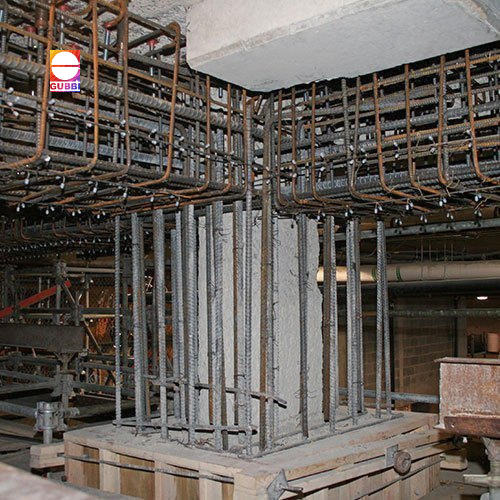
Structural repair services are essential when an existing structure begins showing signs of deterioration, damage, or reduced performance. Cracks, spalling concrete, exposed reinforcement, corrosion, water ingress, honeycombing, and damage caused by heavy loads can gradually affect an asset. For industrial facilities, commercial buildings, bridges, jetties, and other infrastructure, timely intervention can prevent minor defects from becoming larger repair requirements and help maintain safe, functional operations.
Why Structural Problems Need Proper Assessment
Many owners first notice a structural problem through visible symptoms, but the visible defect is not always the actual cause. A crack may be related to movement, corrosion, overloading, shrinkage, or another underlying condition. This is why structural repair contractors normally begin with condition assessment rather than immediately applying a surface treatment. Understanding the cause helps determine whether the requirement involves concrete repair, corrosion treatment, strengthening, waterproofing, or rehabilitation.
Structural Repair Is More Than Surface Restoration
Structural repair is different from ordinary maintenance because the objective is not simply to improve appearance. The work must address deterioration that can influence the performance of structural members or supporting systems. In an industrial or commercial environment, repairs may involve columns, beams, slabs, foundations, tanks, chimneys, cooling towers, or other concrete elements. The selected method should match the damage, existing construction, exposure conditions, operational requirements, and intended service life.
RCC Structural Repair for Damaged Concrete
One of the most common reasons for RCC repair is concrete deterioration. When concrete loses its protective cover, reinforcement can become exposed to moisture, oxygen, chlorides, or other aggressive conditions. Corrosion may then produce cracking, delamination, and spalling around reinforcement. Repair work can involve removing unsound concrete, treating affected reinforcement, restoring the section with suitable repair materials, and protecting the repaired area against conditions that could cause deterioration again.
Crack Repair Requires More Than Filling the Crack
Crack repair also requires careful diagnosis because cracks do not all behave in the same way. Some are superficial, while others may indicate movement, structural distress, leakage, temperature effects, or reinforcement-related deterioration. Depending on crack width, depth, location, movement, and cause, repair contractors may consider injection grouting, epoxy-based systems, polymer-modified materials, sealants, or other appropriate methods. Treating the visible line without understanding its cause can lead to recurring problems.
Repairing Concrete Spalling and Delamination
Concrete spalling is another condition that should not be ignored, particularly when reinforcement is visible. Spalled areas can develop because of corrosion, inadequate cover, impact, poor-quality concrete, moisture exposure, or other deterioration mechanisms. A suitable repair process generally starts by identifying unsound concrete and assessing the reinforcement and surrounding substrate. The repair material and application method can then be selected to restore the affected area and provide compatible performance.
Water Ingress and Structural Deterioration
Water ingress can accelerate structural deterioration by carrying moisture into concrete and creating conditions that support reinforcement corrosion. Industrial roofs, basements, tanks, decks, and exposed concrete elements can be particularly vulnerable when drainage or waterproofing systems fail. Structural repair contractors may therefore need to coordinate concrete restoration with waterproofing or protective coating measures. Addressing both the damage and the moisture source can provide a more complete rehabilitation strategy.
Corrosion and Concrete Rehabilitation
Carbonation and chloride exposure are important durability concerns for reinforced concrete structures. Carbonation can reduce the alkalinity that protects embedded steel, while chlorides can contribute to reinforcement corrosion when they reach susceptible areas. The repair approach depends on the condition of the concrete and reinforcement, exposure environment, and project requirements. Corrosion treatment, concrete restoration, protective coatings, and additional strengthening may form part of a broader rehabilitation programme.
Structural Repairs in Operating Industrial Facilities
Industrial structures often require repair while production or operations continue, making planning as important as the repair technique itself. A suitable execution strategy can define work zones, access arrangements, surface preparation, curing requirements, safety controls, and inspection stages. Depending on the facility, repair activities may need to be phased to reduce disruption. Experienced structural repair contractors understand that technical execution and practical site coordination must work together.
When Strengthening Is Required Along With Repair
Structural repair services can also become necessary when an existing asset experiences changed loading or a new operational requirement. Additional equipment, machinery, storage systems, process changes, or modifications to the building may increase demand on existing members. In such situations, repair alone may not be enough. A structural assessment can determine whether strengthening or retrofitting is required alongside concrete restoration, helping the asset accommodate its intended use more appropriately.
Methods Used for RCC Structural Rehabilitation
For damaged columns, beams, slabs, and other RCC members, different repair and strengthening techniques may be considered according to the condition. Micro-concrete jacketing can be used in suitable applications where additional section or reinforcement is required. Guniting and shotcreting can help restore or strengthen selected concrete surfaces. Carbon fibre systems may also be considered where lightweight strengthening is advantageous. The correct solution should always follow engineering assessment and project-specific requirements.
Repair Solutions for Harsh Industrial Environments
Industrial and infrastructure assets can face demanding environments that make ordinary surface repairs insufficient. Chemical exposure, marine conditions, repeated wetting and drying, vibration, temperature variation, and heavy operational loads can accelerate deterioration. Structural repair contractors therefore need to consider the environment surrounding the damaged member, not just the defect itself. Material selection, surface preparation, curing, protection, and inspection all influence how well the completed repair performs over time.
Structural Repair for Marine Infrastructure
Marine structures such as jetty decks and concrete piles are exposed to moisture, salts, wave action, impact, and repeated loading. Deterioration may include cracking, spalling, reinforcement corrosion, section loss, and damaged concrete around critical areas. Repair planning for these assets requires attention to exposure conditions and access constraints. Depending on assessment findings, concrete repair, corrosion treatment, grouting, strengthening, protective coatings, or rehabilitation measures may be combined within one project.
Structural Rehabilitation for Infrastructure Assets
Structural repair work is also relevant to bridges, culverts, industrial sheds, power facilities, and other infrastructure assets where deterioration can affect continued operation. These structures often remain in service for many years and cannot always be replaced simply because individual components have deteriorated. Rehabilitation can therefore become a practical option when the existing asset remains suitable for continued use. The decision should be supported by condition assessment, engineering evaluation, and project-specific feasibility.
Choosing the Right Structural Repair Contractors
Choosing structural repair contractors requires more than comparing quotations. Owners should look at whether the contractor can understand the defect, propose a suitable repair methodology, manage site conditions, and execute the work with appropriate quality controls. Experience with similar industrial or infrastructure environments can be valuable because repair challenges vary significantly between a commercial facility, a marine asset, a production plant, and an exposed concrete structure.
A Step-by-Step Approach to Structural Repair
A well-planned repair project normally follows a logical sequence rather than beginning directly with material application. The process may include visual inspection, condition assessment, identification of deterioration mechanisms, review of drawings or available records, repair planning, surface preparation, treatment of reinforcement, concrete restoration, strengthening where required, protective treatment, and final inspection. This structured approach helps connect the repair method with the actual condition of the existing asset.
Importance of Quality Control During Repair Work
Quality control is particularly important because many structural repairs become covered or inaccessible after completion. Surface preparation, substrate condition, reinforcement treatment, material mixing, application thickness, curing, bonding, and finishing may all require inspection at suitable stages. Documentation of the work can also help owners maintain records for future maintenance and assessment. A repair that looks satisfactory at completion should still be evaluated against the specified technical requirements.
Considering Structural Repair Cost and Long-Term Value
Cost is naturally an important consideration when planning structural repair, but the lowest initial quotation may not represent the lowest overall project cost. A limited repair that does not address the deterioration mechanism can result in repeated intervention, operational disruption, and additional expenditure. A more useful comparison considers the proposed methodology, material suitability, scope, access requirements, protection measures, quality controls, expected maintenance needs, and potential impact on asset operation.
Selecting a Suitable Structural Repair Partner
For organisations planning rehabilitation work, Gubbi Civil Engineers Limited can be considered when the requirement involves structural repair, concrete rehabilitation, strengthening, or related protection work for industrial, commercial, and infrastructure assets. The important step is to discuss the actual site condition, operating environment, affected structural members, and project objectives before selecting a repair method. This helps move the conversation from a generic repair request toward a technically appropriate solution.
What to Share Before Starting Structural Repair
Before appointing a structural repair contractor, owners should prepare basic information about the affected asset, visible defects, approximate age, operating conditions, previous repairs, drawings if available, and any known incidents or changes in loading. Photographs and site observations can support the initial discussion, but they should not replace professional assessment where structural performance is involved. Clear information allows contractors and engineers to understand the requirement and plan the next stage efficiently.
The right structural repair solution is ultimately determined by the condition and purpose of the existing structure. Some defects may require local concrete restoration, while others may call for corrosion treatment, crack injection, strengthening, grouting, protective coating, or a combination of methods. For industrial, commercial, and infrastructure assets, timely assessment and technically planned execution can help control deterioration, support continued operation, and extend the useful service life of existing structures.

 English
 Arabic
 French
 Spanish
 Portuguese
 Deutsch
 Turkish
 Italiano
 Russian
 Romaian
 Portuguese (Brazil)
 Greek
