

Can Botox Make Your Face Look More Relaxed Without Looking Different?
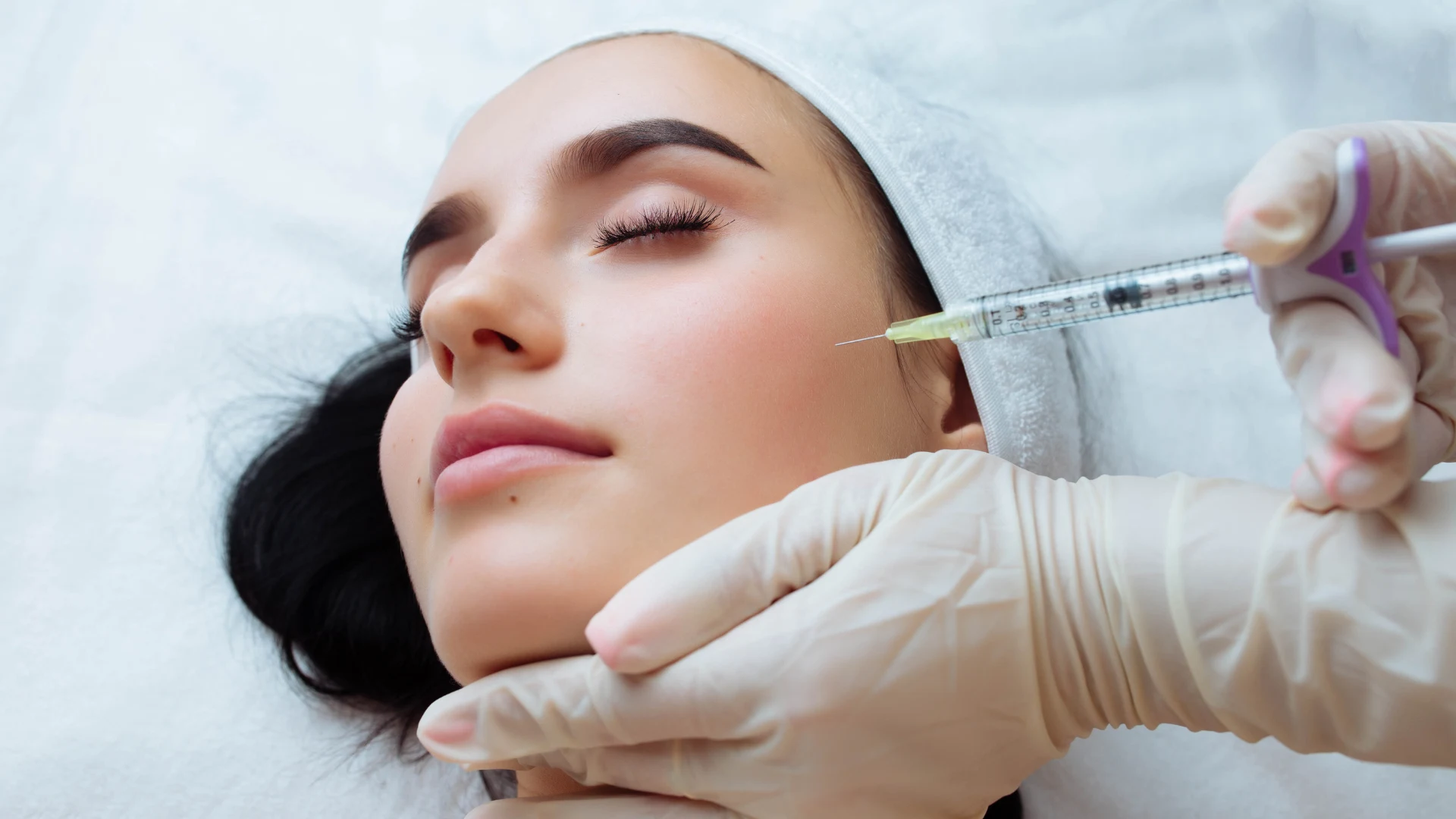
A tired, tense, or constantly frowning expression does not always reflect how a person feels. Sometimes, certain facial muscles remain active even when you are relaxed, making your face appear stressed, serious, or older than you feel. Botox in Islamabad is an option for people who want to soften these expressions while keeping their natural facial features and personality intact.
The goal of subtle Botox treatment is not to create a completely different appearance. It is to reduce excessive muscle activity in selected areas so the face looks more rested without losing its natural expressions. The right approach depends on your facial anatomy, muscle movement, and individual aesthetic goals.
Why Can Your Face Look Tense Even When You Feel Relaxed?
Facial expressions are influenced by several muscles that work throughout the day. Some people naturally use these muscles more actively, while others develop stronger expression lines over time.
For example, repeated contraction of the muscles between the eyebrows can create a serious or worried appearance. Similarly, forehead muscle activity may produce horizontal lines that remain noticeable even when the face is at rest.
Common reasons for a tense-looking expression include:
-
Repeated frowning or concentrating, which can create lines between the eyebrows.
-
Overactive forehead muscles that produce visible horizontal wrinkles.
-
Strong muscle activity around the eyes, contributing to crow's feet.
-
Natural facial muscle patterns that make certain expressions appear more prominent.
-
Age-related changes that make expression lines more noticeable over time.
These features do not necessarily mean something is wrong with your face. However, if they make you look more tired or serious than you feel, a personalised aesthetic assessment may help identify suitable treatment options.
How Can Botox Create a More Relaxed Appearance?
Botox works by temporarily reducing nerve signals that tell specific muscles to contract. When injected into carefully selected facial muscles, it can soften repetitive movements responsible for certain expression lines.
The treatment is particularly useful for dynamic wrinkles, which develop through repeated facial expressions. By reducing excessive muscle activity, Botox can make these areas appear smoother and less tense.
The objective is controlled muscle relaxation, not complete muscle paralysis. An experienced injector considers how your facial muscles work together rather than treating individual wrinkles in isolation.
For example, relaxing the muscles responsible for persistent frowning may soften a worried appearance. Similarly, carefully treating forehead lines can reduce a constantly raised or strained look while preserving appropriate movement.
Which Facial Areas Can Benefit From Subtle Botox?
Different facial areas contribute to different expressions. The treatment plan should address the specific muscles creating an unwanted appearance rather than applying the same injection pattern to everyone.
Forehead Lines
Frequent forehead muscle contractions can create horizontal lines and sometimes make the face appear tense. Carefully planned Botox injections may soften these lines and reduce excessive forehead movement.
However, the forehead muscles also help lift the eyebrows. Treating this area requires careful dosing and placement to avoid an overly heavy or unnatural appearance.
Frown Lines Between the Eyebrows
The muscles between the eyebrows are involved in frowning and concentrating. When they contract repeatedly, vertical lines can develop between the brows.
Botox can reduce this muscle activity, helping soften a persistent angry or worried expression. For some people, this creates a more approachable appearance without changing their overall facial structure.
Crow's Feet Around the Eyes
Small lines around the outer corners of the eyes become more visible when smiling or squinting. Botox can soften these dynamic wrinkles by reducing the activity of the muscles responsible for them.
The aim is to maintain a natural smile while reducing excessive wrinkling around the eyes.
Chin and Lower Facial Muscles
In selected cases, excessive activity in the chin muscle can create a dimpled or uneven appearance. Botox may help relax this muscle and produce a smoother chin surface.
However, lower facial treatments require particular care because nearby muscles contribute to speaking, smiling, and other everyday movements.
How to Look Refreshed Without Changing Your Natural Features
A natural-looking result depends more on treatment planning than on the amount of Botox used. A person seeking subtle improvement may need a different approach from someone who wants more noticeable wrinkle reduction.
Several factors help maintain a natural appearance:
Start With Your Facial Muscle Assessment
Before treatment, the injector should observe your face at rest and during expressions such as raising your eyebrows, frowning, and smiling. This helps identify which muscles are contributing to the appearance you want to soften.
Choose a Conservative Treatment Approach
Using an appropriate dose for each muscle is essential. More Botox does not automatically mean better results. A conservative approach may help preserve natural movement while still addressing the main concern.
Maintain Facial Balance
Facial muscles work together. Relaxing one area without considering surrounding muscles can sometimes affect eyebrow position or facial expression.
A balanced treatment plan considers how the upper and lower facial muscles interact, particularly when treating the forehead and areas around the eyes.
Allow Time for Results to Develop
Botox does not produce its full effect immediately. Initial changes may become noticeable within a few days, while the results generally develop over approximately 10–14 days.
A follow-up assessment can help determine whether the result is balanced and whether any adjustment is appropriate.
Will Botox Make Your Face Look Frozen or Unnatural?
Not necessarily. An overly frozen appearance is more likely when muscle activity is reduced excessively or injections are not appropriately planned for the person's facial anatomy.
A natural Botox result should soften unwanted lines without removing every facial expression. You should still be able to communicate emotions through your face, although movement in treated muscles may be reduced.
It is also important to understand that results vary. Some people naturally have stronger facial muscles and may require a different treatment strategy. Others may have deeper static wrinkles that do not disappear completely with Botox alone.
The best outcome is not necessarily a completely smooth forehead or wrinkle-free face. It is an improvement that looks appropriate for your features.
How Long Does the Relaxed Appearance Last?
Botox results are temporary. Most people notice effects lasting approximately three to four months, although this can vary depending on the treated area, dosage, muscle strength, and individual response.
As the medication gradually wears off, muscle activity returns and expression lines may become visible again.
Maintenance treatments should be based on individual needs, rather than following an unnecessarily frequent injection schedule. Your practitioner can recommend an appropriate interval after assessing your response.
Is Botox Suitable for Everyone?
Botox may be suitable for adults who want to reduce certain expression lines or excessive facial muscle activity. However, it is not the right option for every concern.
It may be less effective for deep wrinkles that remain visible even when the face is completely relaxed. In such cases, other treatments or a combination approach may be considered after professional assessment.
Botox also has potential side effects, including temporary bruising, swelling, headache, eyelid or eyebrow drooping, and unwanted changes in facial expression. Rarely, more serious complications can occur.
It is generally avoided during pregnancy and breastfeeding, and people with certain neuromuscular conditions or relevant medication interactions require medical evaluation before treatment.
FAQs About Natural-Looking Botox
Can Botox make me look less tired?
Yes, if your tired appearance is partly caused by certain muscle movements or expression lines. Botox may soften these features, although it cannot correct tiredness caused by sleep problems, illness, or other underlying factors.
Will people notice that I have had Botox?
A subtle result may simply make your face look more refreshed. However, individual results vary, and there is no guarantee that treatment will be unnoticeable.
Can I still smile and show emotions after Botox?
Yes. The aim of appropriately planned treatment is to reduce excessive muscle activity while preserving natural expressions. Movement may be reduced in the treated muscles.
Does a natural-looking result require less Botox?
Not always. The appropriate dose depends on muscle strength, facial anatomy, and treatment goals. A conservative, personalised plan is generally preferable to using a fixed dose for everyone.
When will I see the final Botox results?
Some changes may appear within a few days, but the full effect generally develops over 10–14 days. Your injector can assess the outcome after this period.
Get a Refreshed Look With Personalised Botox Treatment
Looking more relaxed does not mean changing the features that make your face yours. With appropriate assessment, precise injection placement, and a carefully selected dose, Botox may help soften unwanted expression lines while maintaining a natural appearance.
At Dynamic Aesthetic Clinic, patients can receive personalised guidance based on their facial anatomy, muscle movement, and aesthetic goals. A consultation with an experienced medical professional can help determine whether Botox in Islamabad is suitable for achieving a refreshed appearance without compromising natural facial expression.
Meta Description: Discover how Botox in Islamabad can soften expression lines and create a relaxed, refreshed appearance while preserving your natural facial features

 Arabic
 French
 Spanish
 Portuguese
 Deutsch
 Turkish
 Dutch
 Italiano
 Russian
 Romaian
 Portuguese (Brazil)
 Greek
