

Fat Melting Injections: How to Choose a Qualified Provider
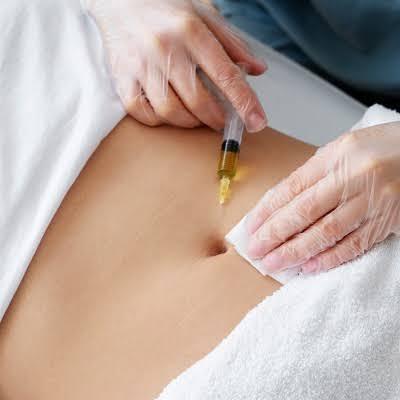
Choosing the right professional for a cosmetic treatment is just as important as selecting the treatment itself. Non-surgical fat reduction procedures have become increasingly popular among individuals who want to address stubborn fat deposits without undergoing an operation. However, achieving satisfactory results requires more than simply booking an appointment. The provider's qualifications, experience, knowledge of facial and body anatomy, and commitment to patient safety all play an important role.
Fat Melting Injections are designed to target localised fat deposits through the injection of specialised fat-dissolving substances. Although the procedure does not involve traditional surgery, it is still a medical treatment that requires careful assessment and appropriate injection techniques. Choosing a qualified provider can help individuals understand the procedure, minimise avoidable risks, and develop realistic expectations about the results.
Before making a decision, individuals should consider several important factors, from professional credentials and treatment experience to product safety and aftercare support.
1. Check the Provider's Qualifications and Medical Credentials
The first step when choosing a provider for fat melting injections is checking their professional qualifications. Since the procedure involves injecting substances into specific layers of tissue, it should only be performed by an appropriately licensed and trained healthcare professional who is legally authorised to administer the treatment.
A qualified provider should have relevant medical training and a clear understanding of injectable cosmetic procedures. Knowledge of anatomy is particularly important because injection depth and placement can influence both treatment effectiveness and safety.
Individuals should consider checking:
-
Whether the provider holds a recognised medical or healthcare qualification.
-
Whether their professional registration is current and valid.
-
Whether they have completed relevant training in injectable treatments.
-
Whether they are authorised to perform the specific procedure in their location.
-
Whether they understand the potential complications associated with fat-dissolving products.
Professional credentials should be verifiable rather than based solely on advertising claims or social media profiles.
A provider who openly discusses their qualifications and professional background can help individuals feel more confident about the treatment process.
2. Look for Experience with Fat Melting Injections
Medical qualifications are essential, but practical experience with the specific procedure also matters. Fat-dissolving injections require an understanding of how different areas of the body respond to treatment and how injectable substances should be administered.
An experienced provider should understand the differences between treating areas such as the chin, jawline, and other approved body regions. Each area has its own anatomical characteristics, and injection techniques must be adapted accordingly.
Before choosing a provider, individuals should consider asking about:
-
Their experience administering fat-dissolving injections.
-
The types of injectable products they have experience using.
-
The treatment areas they are qualified to address.
-
Their approach to assessing individual suitability.
-
How they manage unexpected reactions or complications.
Experience should also involve knowing when not to perform the procedure. For example, someone whose concern is primarily loose skin rather than excess fat may not achieve the desired outcome from fat-dissolving injections.
A responsible professional will explain these limitations instead of recommending treatment when it is unlikely to provide meaningful benefits.
3. Verify the Safety and Quality of the Injectable Product
The quality and suitability of the injectable product are important considerations when selecting a provider. Not all fat-dissolving injections contain the same ingredients, and different formulations may have different approved uses, safety profiles, and treatment requirements.
Some established fat-dissolving treatments use deoxycholic acid, which helps break down fat cells. However, the approval and permitted treatment areas vary depending on the specific product and the country in which it is administered.
A qualified provider should be willing to explain the product being used and answer questions about its safety.
Individuals should check the following:
-
The exact name of the injectable product.
-
Whether the product is approved or authorised by the relevant regulatory authority.
-
Whether it is suitable for the intended treatment area.
-
Whether it comes from a legitimate and traceable supplier.
-
Whether it is stored and handled according to manufacturer instructions.
-
Whether the provider follows the recommended dosage and administration guidelines.
Unverified products, counterfeit injections, and substances without appropriate regulatory approval can expose individuals to unnecessary health risks.
A professional provider should never be reluctant to explain what is being injected. Transparency about product ingredients, intended use, and possible side effects is an important part of informed consent.
4. Evaluate the Consultation and Personalised Treatment Plan
A proper consultation is an essential part of choosing a qualified provider. Fat-dissolving injections are not suitable for everyone, and a treatment plan should always be based on an individual's anatomy, medical history, and cosmetic concerns.
During the consultation, the provider should examine the targeted area and determine whether the fullness is actually caused by localised fat.
For example, fullness beneath the chin may sometimes result from loose skin, muscle structure, or other anatomical factors rather than excess fat. In such situations, injections may not produce the improvement an individual expects.
A comprehensive consultation should include:
Medical history: The provider should ask about existing health conditions, allergies, medications, previous cosmetic procedures, and any relevant medical concerns.
Treatment suitability: The targeted area should be assessed to determine whether the injectable product is appropriate.
Expected results: Individuals should receive realistic information about the likely degree of improvement and the time needed to see changes.
Treatment schedule: The provider should explain how many sessions may be required and the recommended intervals between them.
Possible side effects: Common reactions and more serious potential complications should be discussed before treatment.
The consultation should also provide enough time for questions. Individuals should never feel pressured into proceeding or making an immediate payment.
5. Review Hygiene Standards, Treatment Facilities, and Safety Protocols
The environment where fat melting injections are administered can provide important information about the provider's approach to patient safety.
Although the procedure is non-surgical, it involves injections that penetrate the skin. Therefore, appropriate infection-control measures and a clean treatment environment are essential.
Before proceeding, individuals should pay attention to the following factors:
-
The treatment room should be clean, organised, and suitable for medical procedures.
-
Sterile, single-use needles and syringes should be used.
-
Hand hygiene and appropriate protective equipment should be followed.
-
Injectable products should be stored correctly.
-
Sharps and medical waste should be disposed of safely.
-
The provider should have appropriate procedures for managing adverse reactions.
A qualified provider should also be prepared to discuss what happens if an unexpected complication occurs.
Potential side effects of fat-dissolving injections include swelling, bruising, tenderness, redness, itching, and temporary numbness. More serious complications may include infection, skin damage, nerve injury, and difficulty swallowing, depending on the product and injection area.
Knowing that the provider has appropriate emergency procedures and complication-management arrangements can help individuals make a more informed decision.
6. Examine Before-and-After Results and Patient Feedback
Before-and-after photographs and patient reviews can help individuals understand a provider's experience and the types of outcomes they may achieve. However, these resources should be evaluated carefully rather than accepted at face value.
When reviewing treatment photographs, individuals should look for consistency in lighting, camera angles, positioning, and image quality. Dramatic differences between photographs may sometimes be influenced by lighting or editing rather than treatment results.
It is also helpful to look for examples involving similar treatment areas and concerns.
Patient feedback can provide insight into aspects of the overall experience, including:
-
Whether the consultation was informative.
-
Whether the treatment process was explained clearly.
-
Whether possible side effects were discussed.
-
Whether aftercare instructions were provided.
-
Whether follow-up support was available.
-
Whether expectations were managed realistically.
Reviews should not be the only basis for choosing a provider. Even a highly rated professional may not be suitable for every individual.
A trustworthy provider should also be comfortable discussing cases where results were limited or where another treatment would have been more appropriate.
7. Understand Aftercare, Follow-Up Support, and Warning Signs
The provider's responsibility does not end immediately after administering the injections. Appropriate aftercare guidance and follow-up support are important parts of the treatment experience.
After fat-dissolving injections, the treated area may experience swelling, redness, tenderness, bruising, and temporary firmness. These reactions can vary depending on the product and treatment location.
A qualified provider should explain what is normal during recovery and when additional medical attention may be necessary.
Individuals should receive clear instructions about:
-
Keeping the injection area clean.
-
Managing temporary swelling and discomfort.
-
Avoiding unnecessary pressure or massage.
-
Understanding temporary activity restrictions.
-
Knowing when to schedule a follow-up assessment.
-
Recognising symptoms that require medical attention.
Severe or worsening pain, spreading redness, fever, unusual skin discolouration, difficulty swallowing, or facial weakness should be assessed promptly by a medical professional.
Follow-up appointments are also useful for evaluating the treatment response and determining whether another session is appropriate. Results develop gradually as the body processes the treated fat cells, so an immediate assessment may not reflect the final outcome.
Frequently Asked Questions About Choosing a Fat Melting Injection Provider
1. Why is choosing a qualified provider important for fat melting injections?
Choosing a qualified provider is important because fat-dissolving injections involve medical substances that must be administered at appropriate depths and locations. Proper training and anatomical knowledge help reduce avoidable risks and support appropriate treatment planning.
2. What qualifications should a fat melting injection provider have?
The provider should have relevant medical or healthcare qualifications, valid professional registration where required, and specific training in injectable cosmetic procedures. They should also be legally authorised to administer the particular product and treatment.
3. How can individuals check whether a fat-dissolving product is safe?
Individuals can ask for the product's exact name, ingredients, regulatory approval status, and intended treatment area. They should also confirm that the product comes from a legitimate supplier and is stored and administered according to manufacturer guidelines.
4. Should a provider offer a consultation before fat melting injections?
Yes. A proper consultation helps determine whether an individual is suitable for the procedure. It should include a review of medical history, an assessment of the targeted area, a discussion of possible risks, and realistic expectations about results.
5. Are before-and-after photographs reliable when selecting a provider?
Before-and-after photographs can offer useful information about previous treatment outcomes. However, individuals should look for consistent lighting, positioning, and image quality. Photographs should be considered alongside professional credentials, experience, and patient feedback.
6. What questions should individuals ask before booking fat melting injections?
Individuals should ask about the provider's qualifications, experience, injectable product, regulatory approval, possible side effects, expected results, treatment schedule, and aftercare arrangements. They should also ask how complications are managed and whether follow-up support is available.
Final Thoughts
Choosing a qualified provider for fat melting injections is an important step towards a safer and more informed cosmetic treatment experience. Although the procedure is non-surgical, it still requires professional knowledge, accurate injection techniques, appropriate product selection, and careful patient assessment.
Individuals should take time to verify professional credentials, review relevant experience, understand the injectable product, and evaluate the quality of the consultation and treatment environment. Equally important is selecting a provider who explains potential risks honestly, sets realistic expectations, and offers appropriate aftercare.
Rather than making a decision based solely on convenience or promotional claims, individuals should prioritise professional qualifications, transparency, and patient safety. A well-informed choice can help ensure that the treatment is appropriate for their needs and that their cosmetic goals are approached responsibly.
Read More About Fat Melting Injections: https://fatshiusn.com/blogs/9871/Fat-Melting-Injections-When-Will-You-See-Visible-Results

 English
 Arabic
 French
 Spanish
 Portuguese
 Deutsch
 Turkish
 Italiano
 Russian
 Romaian
 Portuguese (Brazil)
 Greek
