

How to Reduce Swelling After Liposuction
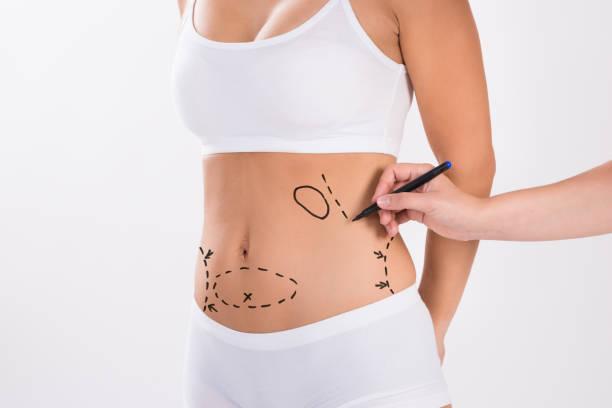
Swelling is a common part of the healing process after liposuction because the body naturally responds to tissue changes caused by the procedure. Although it can temporarily make the treated area appear fuller than expected, swelling usually decreases gradually as recovery progresses. For people undergoing Liposuction in Riyadh, knowing how to manage postoperative swelling can make the recovery period more comfortable and help them understand what changes are normal during healing. Following the surgeon's instructions, allowing the body adequate time to recover, and avoiding activities that may interfere with healing are important parts of postoperative care.
Why Does Swelling Occur After Liposuction?
Liposuction involves working within the fatty tissue beneath the skin, which can temporarily cause inflammation and fluid accumulation. This natural response may result in swelling, tenderness, bruising, or tightness around the treated area. The intensity and duration of swelling vary depending on the treatment area, amount of tissue treated, individual healing response, and surgical technique. Understanding that swelling can take time to resolve helps patients avoid judging their final results too early.
Ways to Help Reduce Swelling
Wear Compression Garments as Recommended
Compression garments are commonly used after liposuction to provide gentle, consistent pressure over the treated areas. Your surgeon may recommend wearing one for a specific period based on your procedure and recovery. Proper compression can help support the treated tissues and manage postoperative swelling. It is important to use the garment exactly as directed because wearing it too tightly or for longer than recommended may cause discomfort or other problems.
Follow Your Activity Instructions
Rest is important during the initial recovery period, but complete inactivity may not always be recommended. Your surgeon may encourage gentle movement or short walks when appropriate to support circulation and general recovery. At the same time, strenuous exercise, heavy lifting, and demanding physical activities should generally be avoided until your medical team says they are safe. Gradually increasing activity according to professional guidance can help protect the healing tissues.
Stay Properly Hydrated
Adequate hydration supports normal bodily functions during recovery. Drinking sufficient fluids can help maintain normal circulation and support the body's natural healing processes. Patients should follow any individualized fluid instructions provided by their medical team, particularly if they have specific dietary or medical considerations. Choosing water and other suitable fluids while limiting excessive sugary beverages can be a practical part of a healthy recovery routine.
Maintain a Balanced Diet
Nutrient-rich foods can support the body's healing process after surgery. A balanced diet containing adequate protein, fruits, vegetables, whole grains, and other nutritious foods can provide important nutrients during recovery. It is also sensible to follow any dietary recommendations provided by the surgeon. Avoiding excessive salty foods may be helpful for some patients because high sodium intake can contribute to fluid retention.
Give Your Body Time to Heal
One of the most important ways to manage swelling is simply to allow adequate recovery time. Patients may notice that swelling changes from day to day rather than disappearing consistently. Some areas may remain swollen longer than others, and temporary asymmetry can occur during healing. Liposuction in Riyadh patients should therefore avoid comparing their recovery too closely with someone else's experience because healing timelines can differ considerably.
How Long Does Swelling Last?
The recovery timeline varies from one person to another. Swelling may be more noticeable during the early stages after treatment and gradually decrease over the following weeks. Some residual swelling can persist for longer as the tissues continue settling. The final appearance may take time to develop, so patience is essential. Your surgeon can provide a more individualized estimate based on the areas treated, the extent of the procedure, and your personal recovery progress.
Why Final Results Take Time
Immediately after liposuction, swelling can temporarily obscure the contours created during treatment. As inflammation decreases and the tissues settle, the body's shape may become progressively more defined. This gradual change is normal and is one reason patients should wait until sufficient healing has occurred before evaluating their final outcome. Attending follow-up appointments allows the surgeon to monitor progress and address any concerns.
What Should You Avoid During Recovery?
Patients should avoid activities or habits that could interfere with healing. Strenuous exercise, heavy lifting, smoking, and ignoring postoperative instructions can potentially make recovery more difficult. Patients should also avoid taking medications or supplements without discussing them with their healthcare provider, particularly when they may affect bleeding or healing. Personalized instructions from the treating surgeon should always take priority over general online recommendations.
When Should You Contact Your Surgeon?
While swelling is expected after liposuction, certain changes should not be ignored. Contact your medical team if swelling suddenly becomes significantly worse, particularly if it is accompanied by severe pain, increasing redness, unusual drainage, fever, breathing difficulties, chest pain, or other concerning symptoms. Prompt medical assessment is important whenever recovery appears different from the instructions provided by your surgeon. Do not attempt to diagnose an unusual symptom yourself.
Can Swelling Affect Liposuction Results?
Temporary swelling can make the treated area appear larger or less defined during the early recovery period. This does not necessarily mean that the procedure has failed or that the final contour will look the same. As swelling gradually subsides, the underlying body contours become easier to assess. Maintaining a stable weight and following aftercare recommendations can support the long-term appearance of the treated areas.
Why Professional Aftercare Matters
Postoperative care is an important part of the liposuction journey. Your surgeon understands the details of your procedure and can provide instructions specifically suited to your treatment areas and recovery. Follow-up visits also give the medical team an opportunity to assess healing, monitor swelling, and identify potential concerns early. Rather than relying solely on general advice, patients should communicate openly with their healthcare provider throughout recovery.
Book an Appointment at Royal Clinic Saudia
If you are considering liposuction and want professional guidance about the procedure and recovery process, book a consultation at Royal Clinic Saudia. The clinic's medical team can assess your individual goals, discuss suitable treatment options, explain postoperative care, and help you understand what to expect during recovery. Schedule an appointment to receive personalized guidance for your body-contouring journey.

 English
 Arabic
 Spanish
 Portuguese
 Deutsch
 Turkish
 Dutch
Dutch
 Italiano
 Russian
 Romaian
 Portuguese (Brazil)
 Greek
Greek
