

Japanese Used Cars for Sale – Complete Guide for UK Buyers
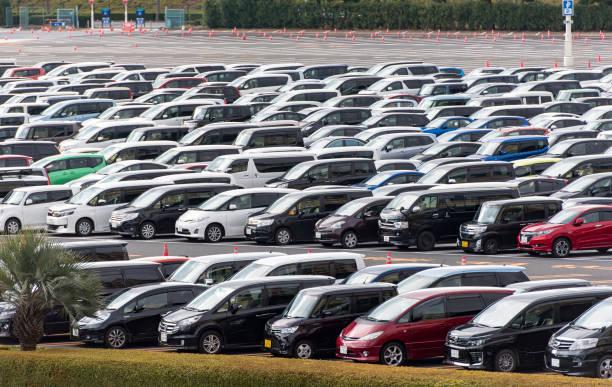
Buying a used vehicle from Japan has become an attractive option for many UK motorists. The Japanese used-car market offers a huge variety of vehicles, from economical hatchbacks and hybrid cars to SUVs, MPVs, kei cars, vans, luxury models, and specialist JDM vehicles. For buyers who want more choice than the traditional UK market provides, Japanese imports can be worth considering.
However, purchasing a car from Japan is different from buying one from a local dealership. You need to think about the vehicle's condition, auction history, shipping, import taxes, registration, insurance, and maintenance before making a decision.
If you are searching for Japanese Used Cars for Sale, understanding the complete buying process can help you avoid unexpected costs and choose a vehicle that genuinely suits your needs. This guide covers the main points UK buyers should know before importing a used car from Japan.
Why Consider Japanese Used Cars?
Japan has one of the world's largest and most established used-car markets. The range of vehicles available can be considerably broader than what UK buyers may find locally.
Wide Choice of Models
Japanese auctions and dealers offer many different types of vehicles, including:
-
Compact hatchbacks
-
Hybrid cars
-
Family vehicles
-
SUVs
-
MPVs
-
Kei cars
-
Vans
-
Luxury cars
-
Performance models
-
Classic vehicles
Some Japanese-market models were never officially sold in the UK, making imports particularly appealing to buyers searching for something different.
Good Equipment Levels
Japanese vehicles can come with impressive equipment, even when they are several years old. Depending on the model and trim, features may include climate control, reversing cameras, navigation, advanced safety technology, premium audio, electric seats, and other convenience features.
Potential Value
A used Japanese vehicle can offer an appealing combination of age, mileage, condition, specification, and price. However, buyers should compare the total cost of importing the car rather than looking only at its Japanese purchase price.
Where Can You Find Japanese Used Cars for Sale?
There are several ways to source a used vehicle from Japan.
Japanese Car Auctions
Japanese vehicle auctions are a major source of used cars for export.
Auctions can provide access to a large selection of vehicles, allowing buyers to compare different examples of the same model based on mileage, condition, specification, and auction grade.
Japanese Dealers
Some vehicles are available through Japanese dealerships and exporters.
Dealer stock can be useful when you are looking for a particular specification or vehicle that is not currently available through an auction.
Export Companies
A professional exporter or importer can help international buyers search for vehicles, understand documentation, arrange purchasing, and organize shipping.
Choose the Right Car for Your Needs
Before looking at individual listings, decide what type of vehicle you actually need.
Consider Your Daily Driving
Think about your normal journeys, passenger requirements, luggage space, fuel economy, and parking conditions.
A small hatchback may be ideal for city driving, while a larger SUV or MPV could make more sense for a family.
Consider Running Costs
The purchase price is only one part of vehicle ownership.
Research:
-
Fuel consumption
-
Insurance
-
Servicing
-
Tyres
-
Brakes
-
Replacement parts
-
Road-related costs
An inexpensive car can become costly if it requires frequent repairs or difficult-to-source parts.
Understand Japanese Auction Grades
If you are buying through an auction, understanding the auction information is essential.
What Is an Auction Sheet?
An auction sheet provides information about the vehicle's condition.
Depending on the auction house, it may include:
-
Mileage
-
Exterior condition
-
Interior condition
-
Scratches
-
Dents
-
Rust
-
Repairs
-
Mechanical observations
-
Overall condition grade
Do Not Rely Only on the Grade
The overall grade can provide a useful starting point, but it does not tell the entire story.
Read the written comments and examine the vehicle condition diagram carefully. Specific scratches, dents, repairs, or other issues may be recorded separately.
Ask for an Explanation
If you do not understand Japanese auction terminology, ask the exporter or importer to explain it before you approve a purchase.
Check Mileage and Vehicle History
Mileage and history are two of the most important factors when buying Japanese Used Cars for Sale.
Verify Mileage
Compare the mileage shown in the listing with available auction documents, inspection records, and service information.
If different records show inconsistent mileage, ask questions before proceeding.
Check Accident History
Find out whether the vehicle has experienced accident damage or major repairs.
A repaired vehicle is not automatically a bad purchase, but you should understand what happened and whether the vehicle's condition and price reflect its history.
Look for Rust
Rust should be checked carefully, particularly on older vehicles.
Important areas include:
-
Chassis
-
Underbody
-
Wheel arches
-
Sills
-
Suspension components
-
Door edges
Calculate the Complete Import Cost
One of the biggest mistakes first-time buyers make is focusing only on the vehicle price.
Vehicle and Auction Costs
The initial amount can include the vehicle purchase price and auction-related charges.
If you use an importer, there may also be sourcing, bidding, administration, inspection, or documentation fees.
Shipping
The vehicle must be transported from Japan to the UK.
Shipping costs can vary depending on the vehicle, departure port, destination port, shipping method, and current freight rates.
Customs and VAT
Depending on the vehicle and circumstances, customs duty and VAT may apply.
The exact amount can depend on factors such as vehicle value, classification, age, and origin.
Because UK import rules can change, buyers should check the current requirements applicable to their particular vehicle.
Port and Clearance Charges
Additional costs can include:
-
Port handling
-
Customs clearance
-
Storage
-
Inland transportation
-
Documentation
Make sure these costs are included in your overall budget.
Choose a Reliable Importer
If you are buying Japanese Used Cars for Sale from Japan, working with an experienced importer can make the process easier.
Check Experience
Look for an importer with genuine experience handling Japanese vehicles and international exports.
Read Customer Reviews
Look for reviews discussing communication, vehicle condition, documentation, shipping, delivery, and after-sales service.
Compare Quotes
Contact several importers and request a complete quotation.
Do not automatically choose the cheapest option. Compare what each company includes in its service.
Understand the Shipping Process
After purchasing your vehicle, it needs to be prepared for international transportation.
RoRo Shipping
Roll-on/Roll-off shipping is commonly used for standard vehicles.
The vehicle is driven onto a specialist vessel and secured during transportation.
Container Shipping
Container shipping can be considered for valuable, classic, or specialist vehicles.
It may provide additional protection but can cost more.
Ask About the UK Port
Confirm which UK port will receive the vehicle and whether transportation from the port to your location is included.
Prepare for UK Customs
When the vehicle reaches the UK, the relevant customs procedures must be completed.
Customs Documentation
Make sure you have the necessary import and vehicle documents.
Your importer or customs agent should explain what is required.
Tax Payments
Depending on the circumstances of your import, customs duty and VAT may need to be paid.
Keep records of all payments and customs documentation.
Register the Vehicle in the UK
Importing the vehicle is not the final step.
DVLA Registration
Imported vehicles generally need to be registered with the DVLA before normal road use.
The required documents and procedure can vary depending on the vehicle and its circumstances.
MOT Requirements
Depending on the vehicle's age and circumstances, an MOT or another applicable approval route may be required.
Check the requirements for your specific vehicle.
Compliance Modifications
Japanese-market vehicles may have specifications that differ from UK-market vehicles.
Depending on the vehicle, modifications may be required to lighting, rear fog lamps, speedometer displays, or other equipment.
Ask your importer whether any modifications are necessary and whether they are included in the quoted price.
Arrange Insurance Before the Car Arrives
Insurance is another important part of the import process.
Get Quotes Early
Do not wait until the vehicle arrives before checking insurance.
Obtain quotations in advance so you know whether the vehicle fits your ownership budget.
Specialist Insurance
Rare JDM models, modified vehicles, and unusual Japanese-market specifications may require specialist insurance.
Ask insurers what documentation they need before providing a quotation.
Inspect the Car After Arrival
Even if the vehicle looked excellent in Japanese auction photographs, an inspection after arrival is a sensible step.
Check for Transport Damage
Inspect the bodywork, glass, wheels, interior, and other visible areas for possible shipping damage.
Check Mechanical Components
A qualified mechanic can inspect:
-
Engine
-
Transmission
-
Brakes
-
Suspension
-
Battery
-
Tyres
-
Fluids
Consider an Initial Service
Depending on the service history, an initial oil and filter change or general service may be worthwhile.
Think About Long-Term Maintenance
Before buying an imported vehicle, consider how easy it will be to maintain in the UK.
Parts Availability
Popular Japanese models generally have good parts availability.
Rare Japanese-market models may require parts to be ordered internationally.
Find a Suitable Garage
Look for a garage familiar with Japanese vehicles or imports.
This is especially useful if you choose a model that was never officially sold in the UK.
Common Mistakes to Avoid
First-time buyers should avoid several common mistakes.
Focusing Only on the Price
A low Japanese purchase price does not necessarily mean a low final cost.
Ignoring the Auction Sheet
The auction sheet can reveal important information about the vehicle's condition and history.
Forgetting Additional Costs
Always budget for shipping, customs, VAT, port charges, registration, compliance, insurance, and maintenance.
Buying Without Research
Research the model's reliability, running costs, parts availability, and insurance before committing.
Rushing the Purchase
Take time to compare several vehicles and sellers. There is usually no need to purchase the first car that catches your attention.
Questions to Ask Before Buying
Before purchasing Japanese Used Cars for Sale, ask the seller or importer:
-
What is the verified mileage?
-
Is the auction sheet available?
-
What is the vehicle's auction grade?
-
Has it had accident repairs?
-
Are there signs of rust?
-
What does the quoted price include?
-
Are auction fees included?
-
Is shipping included?
-
What customs and VAT costs should I expect?
-
Who handles UK registration?
-
Are compliance modifications included?
-
What insurance options are available?
-
Is a warranty provided?
-
Are there any additional charges?
Clear answers can help you make a more informed decision.
Final Buyer Checklist
Before completing your purchase, make sure you have:
-
Set a realistic total budget
-
Researched the model
-
Compared several vehicles
-
Checked the auction sheet
-
Verified mileage
-
Reviewed vehicle history
-
Checked for corrosion
-
Calculated shipping costs
-
Estimated customs and VAT
-
Checked registration requirements
-
Researched insurance
-
Considered parts availability
-
Planned an initial inspection
-
Confirmed all additional charges
Final Thoughts
Searching for Japanese Used Cars for Sale can give UK buyers access to a much wider selection of vehicles than the domestic market alone. From practical hatchbacks and economical hybrids to SUVs, MPVs, kei cars, luxury vehicles, and specialist JDM models, Japan offers plenty of choices.
However, importing a vehicle requires more preparation than a normal local purchase. The price displayed in Japan is only one part of the final cost. Shipping, customs, VAT, port charges, registration, compliance, insurance, and maintenance can all affect the amount you ultimately spend.
The key is to research both the vehicle and the seller. Review the auction sheet, verify mileage, check the vehicle's history, understand the specification, and calculate the complete landed cost before making a commitment.
If you are using an importer, choose a company that communicates clearly and provides transparent information about the vehicle and fees. Do not be tempted by a suspiciously low price without understanding why it is cheaper.
With careful planning, realistic budgeting, and proper research, buying Japanese Used Cars for Sale can be a rewarding way for UK motorists to find reliable, practical, and sometimes unique vehicles that may not be readily available through the local market.

 English
 Arabic
 French
 Portuguese
 Deutsch
 Turkish
 Dutch
Dutch
 Italiano
 Russian
 Romaian
 Portuguese (Brazil)
 Greek
Greek
