

Tummy Tuck and Diastasis Recti: What You Need to Know
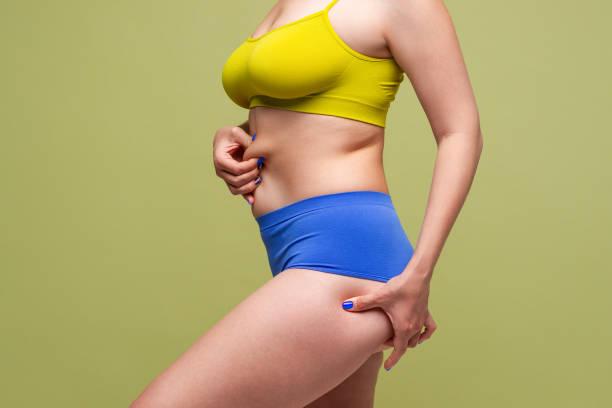
Pregnancy, significant weight changes, and stretching of the abdominal wall can sometimes contribute to diastasis recti, a separation or thinning between the abdominal muscles along the midline. For people exploring tummy tuck in riyadh, understanding the connection between diastasis recti and abdominoplasty can help clarify which concerns the procedure may address. A tummy tuck is primarily a body-contouring surgery, but in selected patients, it may also include surgical repair of weakened or separated abdominal muscles.
Diastasis recti can affect the appearance of the abdomen and may create a persistent bulging or protruding appearance even when a person maintains a healthy lifestyle. People researching Tummy Tuck in Riyadh often wonder whether removing loose skin alone is enough or whether the underlying abdominal wall also needs attention. The answer depends on the individual's anatomy, symptoms, muscle condition, and surgical goals, which is why professional assessment is an important part of planning treatment.
What Is Diastasis Recti?
Diastasis recti occurs when the connective tissue between the two sides of the abdominal muscles becomes stretched and widened. It is particularly common during and after pregnancy because the growing uterus places increased pressure on the abdominal wall. It can also occur following substantial weight changes or other situations that place prolonged strain on the abdomen.
How Can It Affect the Abdomen?
A noticeable midline bulge, a softer abdominal appearance, or a change in abdominal contour may occur with diastasis recti. Some people also notice changes when sitting up, coughing, or engaging the abdominal muscles. The appearance and degree of separation vary significantly between individuals.
Can a Tummy Tuck Address Diastasis Recti?
In appropriate patients, abdominoplasty can include tightening or repairing the abdominal wall. During surgery, the surgeon may bring weakened or separated muscle layers closer together to improve abdominal structure and contour. However, this is not automatically included in every tummy tuck and must be determined according to individual needs.
Muscle Repair During Abdominoplasty
When muscle repair is appropriate, it is performed as part of the personalized surgical plan. The surgeon assesses the abdominal wall and determines the extent of laxity before deciding how it should be addressed. The purpose is to support a more structured abdominal contour rather than simply removing excess skin.
Why Does Diastasis Recti Develop?
Pregnancy is one of the most common circumstances associated with diastasis recti because abdominal tissues stretch considerably as the baby grows. Multiple pregnancies, larger weight fluctuations, reduced tissue elasticity, and individual anatomical factors may also influence the likelihood or severity of abdominal separation.
Diastasis Recti After Pregnancy
Some degree of abdominal separation can improve naturally after childbirth as the tissues gradually recover. However, persistent separation may remain in some women. If loose skin and abdominal muscle laxity continue after recovery and weight stabilization, abdominoplasty may be discussed as one potential treatment option.
Is Every Abdominal Bulge Diastasis Recti?
No. An abdominal bulge can have several possible causes, including excess skin, localized fat, muscle laxity, hernias, or other conditions. Diastasis recti should therefore not be diagnosed based solely on appearance or online information.
Why Professional Evaluation Matters
A qualified medical professional can examine the abdominal wall and determine whether diastasis recti is present. This assessment can also help distinguish muscle separation from a hernia or another condition that may require a different treatment approach.
What Happens During a Tummy Tuck?
The procedure typically begins with a carefully planned incision in the lower abdominal area. The surgeon then addresses excess skin and, when appropriate, repairs abdominal wall laxity. The remaining skin is repositioned to create a smoother abdominal contour, and the incision is closed using appropriate surgical techniques.
Combining Skin Removal and Muscle Repair
One of the potential advantages of abdominoplasty for selected patients is that it can address both excess abdominal skin and certain underlying muscle changes during the same surgical procedure. The exact approach depends on the patient's anatomy and the surgeon's treatment plan.
What Is Recovery Like?
Recovery following a tummy tuck with muscle repair can take time because both the skin and deeper abdominal tissues need to heal. Swelling, tightness, bruising, and discomfort can occur during the initial stages. Patients are generally advised to follow activity restrictions carefully and gradually increase movement according to their surgeon's instructions.
Returning to Exercise
Patients should not rush into abdominal workouts after surgery. Even if the external incision appears to be healing well, deeper tissues may still be recovering. Your surgeon will advise when walking, strength training, abdominal exercises, and other physical activities can be safely resumed.
What Results Can You Expect?
For suitable patients, combining abdominal contouring with muscle repair may produce a flatter and firmer-looking abdomen. Results develop gradually as swelling decreases and tissues settle. The final outcome depends on factors such as skin elasticity, muscle condition, healing, body composition, and adherence to postoperative instructions.
Maintaining Your Results
Maintaining a relatively stable weight can help preserve the abdominal contour achieved through surgery. Future pregnancy or substantial weight fluctuations may stretch the abdominal tissues again and potentially change the results. Discussing future plans with your surgeon is therefore important before treatment.
Tummy Tuck Is Not the Only Consideration
Although abdominoplasty may address diastasis recti in selected patients, not everyone with abdominal muscle separation requires surgery. Depending on the severity and individual circumstances, non-surgical approaches such as appropriately guided physical therapy may be considered. A medical assessment is necessary to determine the most suitable option.
Understanding Your Treatment Options
The best treatment plan depends on whether your primary concern is muscle separation, loose skin, excess fat, or a combination of issues. A personalized evaluation helps ensure that the recommended approach addresses the actual source of your abdominal concerns.
Book a Consultation at Royal Clinic Saudia
If you are concerned about diastasis recti, loose abdominal skin, or changes following pregnancy, Royal Clinic Saudia can help you explore your options. A consultation allows you to discuss your abdominal concerns, receive an individualized assessment, understand whether muscle repair may be appropriate, and learn what to expect from abdominoplasty and recovery.

 English
 Arabic
 French
 Spanish
 Portuguese
 Deutsch
 Turkish
 Dutch
Dutch
 Italiano
 Romaian
 Portuguese (Brazil)
 Greek
Greek
