

Best Approaches for Treating Facial Pigmentation
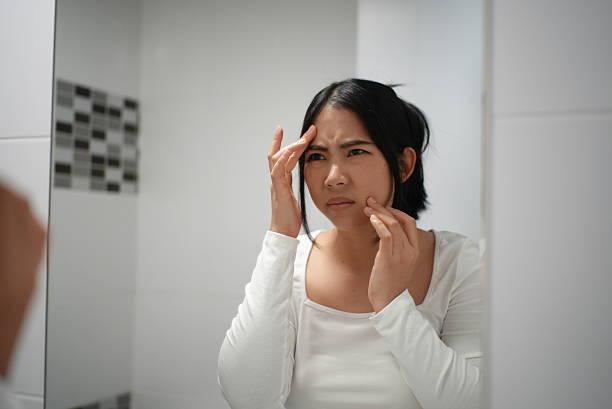
Facial pigmentation can make the complexion appear uneven and may develop due to several factors, including sun exposure, hormonal changes, acne, inflammation, aging, and skin irritation. Because pigmentation can have different causes and patterns, identifying the underlying trigger is an important part of choosing an appropriate Pigmentation Treatment in Riyadh (علاج التصبغات الرياض). A personalized approach can help target visible discoloration while supporting healthier-looking skin.
Not every pigmentation concern responds to the same treatment. Some superficial dark spots may improve with carefully selected skincare, while persistent or widespread pigmentation may require professional procedures. Understanding the available options can help you make more informed decisions about managing uneven skin tone.
What Causes Facial Pigmentation?
Pigmentation develops when the skin produces or distributes melanin unevenly. Melanin is the natural pigment responsible for skin, hair, and eye color. When production increases in certain areas, darker patches or spots can become visible.
Common triggers include prolonged sun exposure, hormonal fluctuations, acne, skin inflammation, injuries, certain medications, and irritation from unsuitable skincare products. In some cases, pigmentation can also be associated with conditions such as melasma.
What Are the Most Common Types of Facial Pigmentation?
Post-Inflammatory Hyperpigmentation
Post-inflammatory hyperpigmentation can develop after acne, irritation, or other inflammatory skin conditions. It may appear as brown or darker marks where inflammation previously occurred.
Melasma
Melasma commonly appears as larger, irregular patches of brown or grayish pigmentation, particularly on areas such as the cheeks, forehead, nose, and upper lip. Hormonal factors and sun exposure can contribute to its development.
Sunspots
Sunspots, sometimes called solar lentigines, are areas of increased pigmentation associated with cumulative ultraviolet exposure. They are often found on frequently exposed areas of the skin.
How Can Skincare Help Facial Pigmentation?
A carefully selected skincare routine can play an important role in improving uneven pigmentation. Depending on the individual's skin, professionals may recommend ingredients such as vitamin C, azelaic acid, retinoids, or other pigment-targeting formulations.
The goal is usually to gradually improve the appearance of discoloration while minimizing irritation. Using too many active ingredients at once can damage the skin barrier and potentially worsen pigmentation.
Can Chemical Peels Improve Facial Pigmentation?
Chemical peels use specific exfoliating ingredients to remove damaged surface cells and encourage a smoother-looking complexion. Certain peels may help improve superficial pigmentation and uneven skin tone.
The type and strength of the peel should be selected according to the individual's skin characteristics. Professional assessment is especially important for people who are prone to pigmentation after inflammation.
Can Laser Treatment Help Pigmentation?
Some laser and light-based technologies can target excess pigmentation and may help reduce the appearance of selected dark spots. They can be considered when pigmentation is persistent or when other approaches have not provided sufficient improvement.
Laser treatment is not appropriate for every type of pigmentation. Treatment settings, technology, and technique should be customized to the individual's skin type and pigmentation pattern.
Why Does Skin Type Matter?
Skin type and tone can influence how pigmentation develops and how the skin responds to treatment. People with darker skin tones may have a greater tendency to develop post-inflammatory hyperpigmentation following irritation or certain procedures.
For this reason, treatment should be carefully selected rather than applying the same procedure to every patient. A professional assessment can help determine an approach that balances pigmentation improvement with skin safety.
How Important Is Sun Protection?
Sun protection is one of the most important parts of managing facial pigmentation. Ultraviolet exposure can stimulate melanin production and make existing discoloration more noticeable.
Using broad-spectrum sunscreen consistently can help reduce further UV-related pigmentation. Additional habits such as wearing protective clothing, seeking shade, and limiting prolonged direct sun exposure can also support pigmentation management.
Can Facial Pigmentation Be Treated Permanently?
There is no universal treatment that permanently prevents all forms of facial pigmentation. Some pigmentation may improve substantially, while conditions such as melasma can recur because their triggers may continue.
Long-term maintenance can therefore be an important part of managing pigmentation. Consistent sun protection and appropriate skincare may help maintain a more even-looking complexion after treatment.
What Is the Best Approach for Persistent Pigmentation?
The best Pigmentation Treatment in Riyadh depends on the cause, depth, location, skin type, and severity of the discoloration. A professional may recommend topical skincare, chemical peels, laser or light-based procedures, or a combination approach.
Using a personalized plan can be more appropriate than choosing a treatment simply because it is popular. Proper evaluation can also help identify whether the pigmentation is related to acne, hormonal changes, sun exposure, or another factor.
Can Lifestyle Habits Support Pigmentation Management?
Protect Your Skin From Sun Exposure
Regular sun protection can help prevent pigmentation from becoming darker and may support the results of professional treatments.
Avoid Picking and Irritating the Skin
Picking acne or repeatedly irritating the skin can cause inflammation and increase the likelihood of post-inflammatory pigmentation.
Maintain a Gentle Skincare Routine
Gentle cleansing, appropriate moisturization, and carefully selected active ingredients can support the skin barrier while pigmentation is being managed.
Treat Underlying Skin Concerns
If pigmentation is associated with acne or another inflammatory condition, addressing the underlying problem can help reduce the development of new marks.
How Long Does It Take to See Improvement?
Pigmentation usually improves gradually rather than immediately. The timeline can vary depending on the cause, depth of pigment, skin type, treatment method, and consistency with aftercare.
Some superficial discoloration may respond relatively well to skincare, while persistent pigmentation may require multiple professional treatments. Following a personalized plan and protecting the skin from sunlight can support gradual improvement.
When Should You See a Professional?
Professional assessment may be beneficial when pigmentation is persistent, widespread, repeatedly returning, or not improving with basic skincare. An evaluation can help determine the likely cause and identify suitable treatment options.
Any pigmented lesion that changes rapidly, develops an unusual shape, has irregular borders, or shows other concerning changes should be medically evaluated rather than automatically treated as cosmetic pigmentation.
What Results Can You Expect From Treatment?
Professional treatment aims to make pigmentation less noticeable and create a more even-looking complexion. Results vary from person to person and depend on the type and cause of pigmentation.
A realistic treatment plan focuses on gradual improvement while protecting the skin from unnecessary irritation. Continued skincare and sun protection can also be important for maintaining results.
Book an Appointment
If facial pigmentation is affecting your complexion or confidence, a personalized assessment can help determine the most suitable approach. At Royal Clinic Saudia (عيادات رويال كلينك), pigmentation concerns can be evaluated according to your skin type, pigmentation pattern, and individual goals to create an appropriate care plan.
FAQs:
What is the most common cause of facial pigmentation?
Sun exposure, hormonal changes, acne-related inflammation, and skin irritation are common causes.
Can pigmentation be treated with skincare alone?
Some mild pigmentation may improve with appropriate skincare, while persistent discoloration may require professional treatment.
Is laser treatment suitable for facial pigmentation?
Certain laser treatments may help, but suitability depends on the pigmentation type and individual skin characteristics.
Can facial pigmentation come back after treatment?
Yes. Pigmentation can recur, particularly when triggers such as UV exposure or hormonal factors remain present.

 English
 Arabic
 French
 Spanish
 Portuguese
 Deutsch
 Turkish
 Dutch
Dutch
 Italiano
 Russian
 Portuguese (Brazil)
 Greek
Greek