
Tip Rhinoplasty: Procedure and Recovery
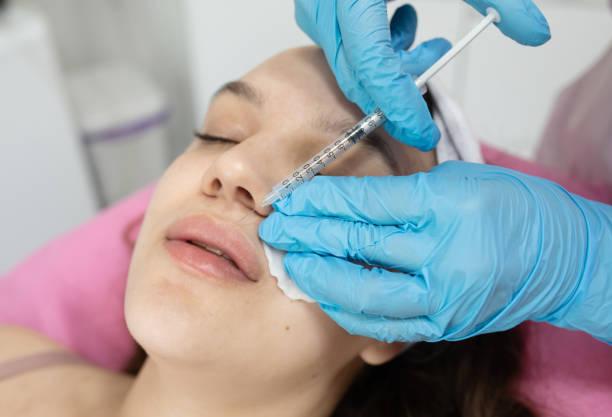
The nasal tip plays an important role in the overall appearance and balance of the nose. When the tip is too broad, rounded, droopy, asymmetrical, or poorly defined, tip rhinoplasty can be used to refine its shape and position. For patients considering Rhinoplasty in Riyadh, understanding how tip rhinoplasty works and what recovery involves can help them develop realistic expectations before surgery.
Unlike procedures that reshape the entire nose, tip rhinoplasty focuses primarily on the cartilage and soft tissues that define the lower part of the nose. The technique selected depends on the patient's anatomy, skin thickness, cartilage structure, breathing function, and aesthetic goals. During a consultation for Rhinoplasty in riyadh, the surgeon can determine whether isolated tip refinement or a more comprehensive rhinoplasty would be appropriate.
What Is Tip Rhinoplasty?
Tip rhinoplasty is a surgical procedure designed to reshape or reposition the nasal tip. It can address cosmetic concerns while preserving the structural support needed for normal nasal function.
Common Tip Concerns
Patients may seek tip rhinoplasty for several reasons, including:
-
A bulbous or rounded nasal tip
-
A wide nasal tip
-
A droopy or downward-pointing tip
-
An asymmetrical tip
-
Excessive nostril visibility
-
A lack of definition
-
Changes resulting from previous injury or surgery
The appropriate correction depends on the specific structural characteristics of the nose.
How Is Tip Rhinoplasty Performed?
The procedure begins with carefully planned incisions that allow the surgeon to access and modify the cartilage supporting the nasal tip.
Open Tip Rhinoplasty
With an open approach, a small incision is made across the columella, the tissue between the nostrils, in addition to internal incisions. This provides greater visibility of the underlying cartilage and may be useful when detailed structural changes are required.
Closed Tip Rhinoplasty
A closed approach uses incisions inside the nostrils. Because there is no external incision, there is no visible external scar from the approach. Whether this technique is suitable depends on the patient's anatomy and the changes required.
Cartilage Reshaping
The surgeon may reshape, reposition, or selectively modify the nasal tip cartilages. In some cases, additional cartilage support may be required to maintain the desired shape and stability.
What Can Tip Rhinoplasty Correct?
Tip rhinoplasty can address several different concerns, but the treatment is always individualized.
Bulbous Tip
A broad or rounded tip may be refined by modifying the underlying cartilage and improving its positioning. Skin thickness can affect how much definition becomes visible after surgery.
Droopy Tip
A downward-pointing tip may be repositioned or supported to create a more balanced relationship between the nose and upper lip.
Asymmetrical Tip
When the nasal tip is uneven, carefully planned cartilage adjustments may help improve symmetry. However, perfect symmetry is not always possible because natural facial asymmetry is common.
How Long Does Tip Rhinoplasty Take?
The duration of surgery varies according to the complexity of the procedure and whether additional nasal structures are being treated. A relatively limited tip procedure may differ considerably from a rhinoplasty that also involves the bridge, nasal bones, septum, or nostrils.
Your surgeon can provide a more specific estimate after examining your nose and determining the appropriate surgical plan.
What Is Recovery Like After Tip Rhinoplasty?
Recovery is gradual, and the nasal tip may take longer to settle than patients initially expect.
First Week
Swelling, tenderness, congestion, and bruising may occur during the early recovery period. Patients should prioritize rest and follow instructions concerning sleeping position, medications, nasal care, and physical activity.
Weeks Two to Four
Bruising often becomes less noticeable, while swelling gradually decreases. The nose may begin to look more refined, but the tip can still appear swollen or less defined than expected.
Following Months
The nasal tip can continue changing as swelling resolves and the tissues mature. Patients should avoid judging the final result too early and should attend scheduled follow-up appointments.
How Can You Support Recovery?
Following postoperative instructions carefully can help protect the healing nasal structures.
Protect the Nose
Avoid situations where the nose could be bumped or subjected to pressure. Your surgeon will advise when exercise, contact sports, and other activities can safely be resumed.
Follow Nasal Care Instructions
Use medications and postoperative treatments exactly as directed. Do not introduce new creams, products, or nasal treatments without discussing them with your surgical team.
Maintain a Healthy Routine
Adequate rest, hydration, and a balanced diet can support general recovery. Smoking and nicotine should be discussed with your surgeon because they can interfere with healing.
Potential Risks of Tip Rhinoplasty
Like any surgical procedure, tip rhinoplasty has potential risks. These may include infection, bleeding, swelling, temporary changes in sensation, asymmetry, scarring, breathing difficulties, or dissatisfaction with the cosmetic result.
Overcorrection or insufficient correction may also occur. Discussing these possibilities with your surgeon before surgery can help you understand the procedure and establish realistic expectations.
When Will You See the Final Result?
The initial shape of the nose should not be considered the final result. Swelling can temporarily obscure tip definition, and the amount of swelling varies between individuals.
Be Patient With Tip Swelling
The nasal tip often retains swelling longer than other parts of the nose. Gradual improvement can continue for several months, and subtle refinement may take longer depending on the patient's skin and surgical technique.
Follow-Up Is Important
Regular follow-up appointments allow the surgeon to monitor healing and address concerns if they arise. Patients should avoid making conclusions about the final result without allowing sufficient time for recovery.
Is Tip Rhinoplasty Right for You?
Tip rhinoplasty may be suitable for people who are unhappy with the appearance of their nasal tip and have realistic expectations about what surgery can achieve.
A professional assessment should consider nasal structure, skin thickness, breathing, facial proportions, previous procedures, and the patient's specific goals. In some cases, treating only the tip may provide the desired improvement, while other patients may benefit from addressing additional parts of the nose.
For patients researching Rhinoplasty in riyadh, understanding the difference between isolated tip refinement and full rhinoplasty can help them ask more focused questions during their consultation.
Book Your Tip Rhinoplasty Consultation at Royal Clinic Saudia
If you are considering tip rhinoplasty, Royal Clinic Saudia can provide personalized guidance based on your nasal structure and aesthetic goals. A consultation can help you understand suitable techniques, expected recovery, potential risks, and realistic outcomes before deciding on treatment.

 English
 Arabic
 French
 Spanish
 Portuguese
 Deutsch
 Turkish
 Dutch
Dutch
 Italiano
 Russian
 Portuguese (Brazil)
 Greek
Greek