

Deemak Treatment How to Protect Your Home from Termite Damage
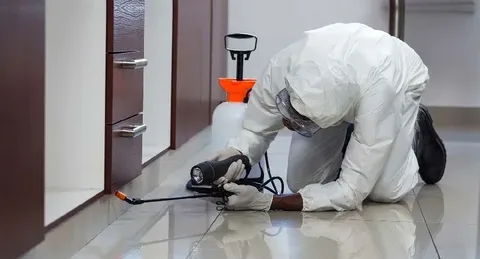
Deemak, commonly known as termites, can damage wooden furniture, doors, cabinets, floors, and parts of a building. These small insects often stay hidden, which makes an infestation difficult to notice during its early stages.
Deemak treatment aims to control existing termite activity and reduce the possibility of future infestations. The correct method depends on the termite species, affected area, building structure, and level of damage.
For homeowners in Pakistan, understanding the signs and causes of termite activity can help prevent expensive repairs.
What Causes Deemak in a House?
Termites need suitable food sources and favorable conditions to survive. Wood provides an important food source, while moisture can make an area more suitable for certain termite species.
Common conditions that increase termite risk include:
- Damp soil around foundations
- Leaking water pipes
- Poor drainage
- Moist wooden structures
- Cracks around walls and foundations
- Wood touching the ground
- Stored cardboard and paper
- Poor ventilation
- Unprotected timber
A house does not need to be old to develop a termite problem. New buildings can also experience termite activity if construction or moisture conditions provide access.
Early Signs of Deemak
Recognizing an infestation early can make termite control easier.
Mud Tubes on Walls
Subterranean termites may build narrow mud passages along walls, foundations, and other surfaces. These tubes allow them to move while staying protected from exposure.
Damaged Wooden Surfaces
Termites can consume wood from the inside. A wooden door or cabinet may therefore look normal externally while suffering significant internal damage.
Hollow Sound
Gently tapping wooden surfaces can sometimes reveal hollow areas. This does not confirm termites by itself, but it can justify further inspection.
Discarded Wings
During swarming periods, winged termites may leave their colony. Finding piles of discarded wings near windows or lights can indicate termite activity.
Bubbling or Blistered Wood
Some termite damage can cause wooden surfaces to appear uneven, blistered, or weakened.
Different Types of Deemak Treatment
There is no single treatment suitable for every infestation. Pest-control professionals normally assess the property before selecting a method.
1. Chemical Barrier Treatment
Chemical barriers can help protect buildings from subterranean termites. Depending on the property and approved treatment method, products may be applied to relevant soil or structural areas.
The objective is to prevent termites from easily entering the building.
2. Wood Treatment
Wood treatment focuses on vulnerable wooden components.
It may be considered for:
- Door frames
- Window frames
- Cupboards
- Wooden beams
- Flooring
- Furniture
The treatment should follow the product label and appropriate safety procedures.
3. Termite Baiting
Bait systems use materials that termites consume or carry back to their colony. This approach can target termite colonies rather than only the insects visible inside a building.
Baiting may require monitoring and follow-up visits.
4. Localized Treatment
A localized approach focuses on a specific area where termite activity has been identified.
This may be suitable when an infestation remains limited and the affected areas can be clearly located.
Deemak Treatment for Furniture
Furniture can become an important target for termites because it contains cellulose-based material.
Commonly affected items include:
- Wooden beds
- Tables
- Chairs
- Cabinets
- Bookshelves
- Wooden cupboards
- Decorative wooden items
If you notice small holes, weakened wood, powder-like material, or discarded wings around furniture, inspect the item carefully.
Severely damaged furniture may require replacement. Treating only the surface may not address termites living deeper inside the wood.
Deemak Treatment for Walls
Termites can sometimes move through concealed spaces in walls. This makes wall-related infestations more difficult to identify.
Possible warning signs include:
- Mud tubes
- Cracked or damaged areas
- Hollow-sounding sections
- Termite activity near skirting
- Repeated termite sightings
- Moisture around affected walls
A professional inspection can help determine whether termites are entering from soil, moving through structural gaps, or originating from another part of the property.
Deemak Treatment During Construction
Preventive termite protection can begin during the construction stage.
Builders can reduce termite risks by paying attention to:
- Soil conditions.
- Drainage around the building.
- Wood-to-soil contact.
- Moisture control.
- Foundation details.
- Proper treatment of vulnerable materials.
- Sealing unnecessary entry points.
Pre-construction termite control can be easier than treating an established infestation after residents occupy the property.
How to Prevent Termites Naturally
Homeowners can reduce favorable conditions through regular maintenance. These steps do not replace professional treatment when an infestation already exists, but they can support long-term termite prevention.
Keep the Property Dry
Repair leaking taps, pipes, roofs, and drainage systems quickly.
Remove Unnecessary Cardboard
Do not store large amounts of cardboard against walls or directly on damp floors.
Protect Wooden Materials
Keep timber, firewood, and other wooden materials away from direct soil contact where practical.
Improve Ventilation
Good airflow can help reduce excessive moisture in enclosed areas.
Inspect Regularly
Check wooden doors, cupboards, floors, and frames for changes in condition.
Deemak Treatment in Different Areas of Pakistan
Termite activity can occur throughout Pakistan. Climate, soil, building design, and moisture conditions can influence the risk.
In areas with higher humidity or moisture exposure, controlling leaks and ventilation becomes especially important. In drier areas, termites can still survive when they find moisture around plumbing, foundations, irrigation, or poorly drained areas.
Whether a property is located in Punjab, Sindh, Khyber Pakhtunkhwa, Balochistan, Islamabad, or other parts of Pakistan, the basic principles remain similar: identify the infestation, locate the source, select an appropriate treatment, and remove conditions that encourage termite activity.
How Often Should a House Be Inspected?
There is no universal inspection schedule for every property. Homes with a history of termite activity or moisture problems may require more frequent checks.
Pay particular attention after:
- Plumbing leaks
- Flooding or water damage
- Renovation work
- Major cracks
- Discovery of termite wings
- Appearance of mud tubes
- Signs of damaged wood
Regular inspection can identify problems before they become extensive.
Common Mistakes During Deemak Control
Some approaches may provide only temporary results.
Treating Only Visible Termites
Visible insects may represent only a small part of the colony.
Ignoring Moisture
If a water leak continues, the environment may remain favorable for termite activity.
Using Chemicals Incorrectly
More chemical does not necessarily mean better protection. Always follow the approved label and safety instructions.
Ignoring Structural Damage
Severely weakened wood may need repair or replacement even after termite activity has been controlled.
Skipping Follow-Up Checks
Some infestations require monitoring after the initial treatment. Follow-up inspections can help identify continuing activity.
When Should You Contact a Professional?
Professional assessment becomes particularly useful when:
- The infestation covers several rooms.
- Structural wood appears damaged.
- Termites repeatedly return.
- Mud tubes appear on walls or foundations.
- Furniture has extensive internal damage.
- You cannot locate the source.
- Previous treatment did not solve the problem.
A qualified pest-control professional can assess the building and recommend a suitable termite-management strategy.
Frequently Asked Questions About Deemak Treatment
These FAQs provide quick answers to common questions about termite infestations, treatment options, prevention, and home protection.
What is the best deemak treatment?
The best treatment depends on the termite species, infestation level, building structure, and location of the colony. Soil treatment, wood treatment, baiting, and localized methods may all be appropriate in different situations.
Can termites damage a house?
Yes. Termites can damage wooden doors, furniture, flooring, frames, and other cellulose-based materials. Severe and prolonged infestations can contribute to significant structural damage.
How can I stop deemak from returning?
Control moisture, improve drainage, keep wood away from soil, repair leaks, remove unnecessary cardboard, and inspect vulnerable areas regularly.
Is termite treatment required for new houses?
Preventive termite measures can be useful in new construction, particularly where soil, wood, moisture, and foundation conditions create potential entry routes.
How long does termite treatment take?
Treatment time varies according to the property size, treatment method, accessibility, and severity of the infestation. Some methods also require follow-up monitoring.
Conclusion
Deemak treatment is most effective when homeowners address both the existing infestation and the conditions that support termite activity. Early inspection, moisture management, suitable termite control methods, and regular maintenance can help protect homes and furniture from costly damage.

 English
 Arabic
 French
 Spanish
 Portuguese
 Deutsch
 Dutch
Dutch
 Italiano
 Russian
 Romaian
 Portuguese (Brazil)
 Greek
Greek
