

Licensed Solar Contractor: How to Choose the Right Solar Professional
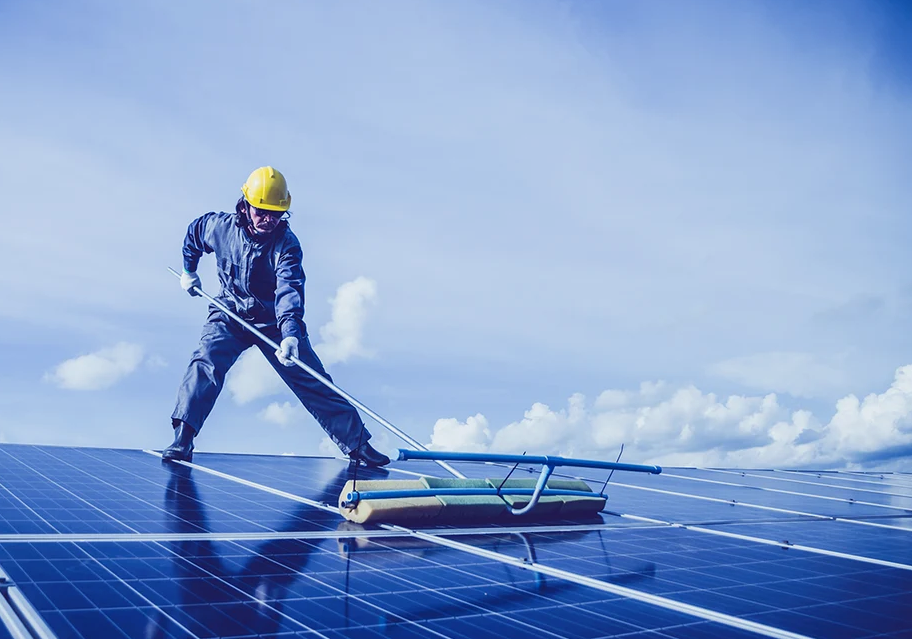
Choosing the right solar professional is one of the most important decisions a property owner makes when investing in solar energy. A solar installation involves electrical equipment, structural components, roof attachments, wiring, inverters, and system monitoring, so the quality of the installation can affect both safety and long-term performance. Working with a licensed solar contractor gives homeowners and businesses an opportunity to have their project handled by a professional who understands the technical requirements involved in designing, installing, maintaining, and servicing solar energy systems.
Solar adoption has expanded as property owners look for ways to manage energy costs, improve energy independence, and make better use of available roof or ground space. However, purchasing quality equipment is only part of the process. Proper system design, permitting, electrical work, installation practices, inspections, and commissioning are equally important. Before signing a contract, customers should evaluate a contractor's qualifications, experience, communication, workmanship standards, and ability to provide appropriate support after the installation is completed.
What Does a Licensed Solar Contractor Do?
A licensed solar contractor can manage many of the technical responsibilities associated with a solar energy project. Depending on the project and local requirements, these responsibilities may include evaluating the property, developing an installation plan, coordinating permits and inspections, installing solar panels and associated equipment, completing electrical connections, and testing the finished system. A professional contractor also needs to understand how solar equipment interacts with the property's existing electrical infrastructure. For larger or more complex installations, coordination between electrical professionals, structural specialists, roofing teams, utility providers, and other trades may be necessary. The contractor's role is therefore much broader than simply attaching panels to a roof; it involves integrating an energy system into an existing property while maintaining appropriate safety and performance standards.
Why Licensing Matters in Solar Installation
Solar installations combine electrical work with structural and construction considerations, making professional qualifications particularly important. Licensing requirements vary by jurisdiction, but they generally exist to establish minimum standards for professionals performing regulated work. Property owners should confirm which licenses and credentials apply to their specific project and location rather than assuming that every solar company operates under the same requirements. Licensing can also help customers identify contractors who understand applicable installation practices and regulatory responsibilities. It is important to remember that a license alone does not guarantee excellent workmanship, so customers should also examine experience, references, project history, insurance coverage, warranties, and the quality of the proposed installation plan before making a decision.
Evaluating a Contractor Before Signing a Contract
A thorough evaluation can help prevent misunderstandings later in the project. Property owners should ask prospective contractors about their experience with similar properties, the equipment they typically install, the expected project timeline, permitting responsibilities, warranties, payment schedules, and post-installation support. A detailed proposal should clearly describe what is included rather than relying on vague promises. Customers should also understand whether the contractor is responsible for all electrical work, structural attachments, monitoring equipment, and system commissioning or whether subcontractors will handle certain portions of the project. Comparing several proposals can reveal differences in equipment quality, installation scope, warranty coverage, and service commitments. The lowest initial price is not always the best value if important installation or support services have been excluded.
Solar System Design Is Just as Important as Installation
Good solar performance starts before the first panel is installed. A contractor should consider the property's energy consumption, available installation area, roof characteristics, shading, orientation, equipment capacity, electrical infrastructure, and future energy needs when developing a system design. An oversized or poorly configured system may not provide the expected value, while a design that ignores future energy requirements can limit expansion options. Equipment selection also matters because panels, inverters, mounting systems, batteries, and monitoring technology must work together as a complete system. A professional design process should explain why particular components are being recommended rather than simply presenting a list of products. Clear design documentation also gives the property owner a better understanding of what they are purchasing.
Safety and Quality During Installation
Solar installation requires attention to both electrical and physical safety. Panels and mounting systems must be securely installed, wiring should be appropriately routed and protected, and electrical components need to be installed according to applicable requirements. Roof-mounted systems also require careful consideration of roof condition, attachment points, flashing, drainage, and future maintenance access. Poor installation practices can create problems that are difficult and expensive to correct later. A qualified contractor should maintain an organized worksite, protect the property during construction, and inspect completed work before considering the project finished. Quality control should not end when the panels are mounted; electrical connections, inverter operation, monitoring, and other system components should be evaluated during commissioning.
Permits, Inspections, and Utility Coordination
Solar projects can involve several administrative and technical steps beyond the physical installation. Depending on the location and system type, permits may be required before construction, followed by inspections after installation. Utility interconnection may also be necessary before a grid-connected system can operate as intended. Property owners should ask their contractor who is responsible for preparing and submitting paperwork, scheduling inspections, and communicating with the relevant utility or authority. Keeping these responsibilities clear can reduce delays and prevent customers from discovering late in the project that an important approval remains outstanding. A professional contractor should be able to explain the expected sequence of these steps and provide reasonable updates throughout the project.
Maintenance and Long-Term Solar Support
Solar panels generally require relatively little routine maintenance, but the complete system still benefits from periodic attention. Monitoring data can help identify changes in system performance, while visual inspections may reveal issues involving wiring, mounting hardware, weather exposure, or other components. Inverters and batteries, where installed, may have different service requirements and expected operating lifespans than the panels themselves. Choosing a contractor that offers ongoing support can therefore be valuable, particularly when a property owner needs troubleshooting, equipment replacement, roof-related solar work, or system expansion later. Before hiring a contractor, customers should understand the difference between manufacturer warranties and the contractor's own workmanship warranty. Knowing who to contact when a problem occurs can make future service considerably easier.
How to Make a Confident Solar Contractor Decision
Selecting a solar contractor should be based on more than a sales presentation or advertised savings estimate. Property owners should look for a combination of appropriate licensing, relevant experience, transparent pricing, quality equipment, responsible installation practices, clear documentation, and dependable customer service. It is also wise to ask questions that reveal how the company handles unexpected conditions, such as an unsuitable roof, damaged components, permitting delays, or changes discovered during installation. A contractor that communicates openly about potential challenges is often easier to work with than one that presents every project as identical. Taking time to compare qualifications and contract details can help customers choose a professional capable of supporting the project from initial assessment through final commissioning and future service.
Conclusion
Hiring a licensed solar contractor is an important step toward creating a safe, properly designed, and dependable solar energy system. Property owners should evaluate licensing requirements, technical experience, design quality, installation standards, permitting responsibilities, warranties, and long-term service before committing to a project. Solar equipment represents a significant investment, and professional installation can help protect that investment while supporting reliable system operation. By asking detailed questions and choosing a contractor based on qualifications and overall value rather than price alone, homeowners and businesses can approach solar installation with greater confidence and a clearer understanding of what professional service should deliver.

 English
 Arabic
 French
 Spanish
 Portuguese
 Deutsch
 Turkish
 Dutch
Dutch
 Italiano
 Russian
 Portuguese (Brazil)
 Greek
Greek
