

Commercial Signage Solutions: Building Stronger Business Visibility
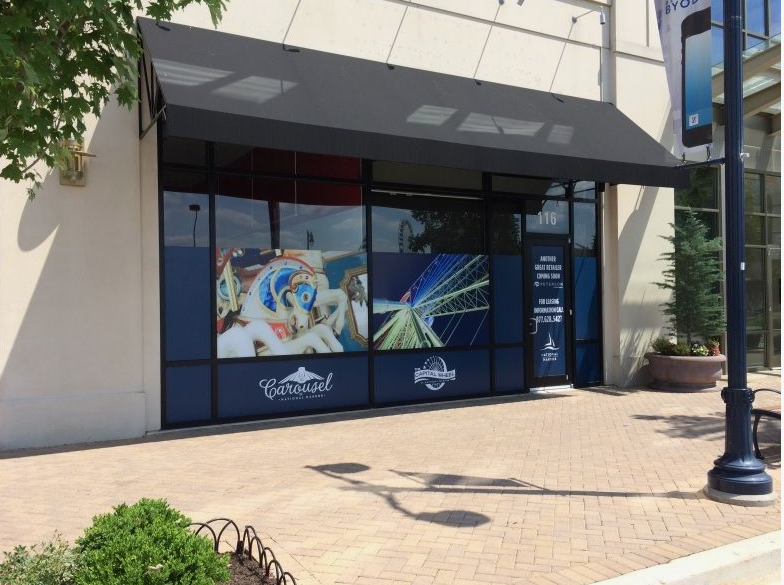
Businesses compete for attention every day, and effective signage can play an important role in helping a company stand out. From storefronts and offices to retail centers and industrial properties, the right signage communicates who a business is, where it is located, and what customers can expect. Well-planned commercial signage solutions combine visual appeal with practical functionality, helping businesses create a professional presence while making their premises easier to identify and navigate.
Modern customers often form an impression of a business before they enter its doors. Clear exterior signs, attractive architectural lettering, illuminated displays, and well-designed directional graphics can make a property feel organized and credible. For businesses investing in commercial signage solutions, the goal should not simply be to create something noticeable but to develop signage that supports branding, improves customer experience, and remains effective in its intended environment.
Why Professional Commercial Signage Matters
Commercial signage serves as a physical representation of a company's identity. A thoughtfully designed sign can reinforce brand colors, typography, logos, and other visual elements while providing essential information to visitors. Exterior signage can help people locate a business from the street, while interior signs can guide customers through different areas of a property. This combination of branding and communication makes signage particularly valuable for businesses that rely on physical locations. Professional design also helps prevent common problems such as poor readability, excessive information, weak contrast, or inappropriate sizing. When signage is developed according to the property's architecture and surrounding environment, it can become a natural part of the building rather than an afterthought.
Choosing the Right Signage for Your Business
Different businesses require different types of signage, so choosing a solution should begin with the purpose of each sign. A roadside business may need a large display that can be recognized by passing traffic, while a professional office might benefit from refined wall lettering or dimensional signage. Retailers can combine exterior identification with window graphics, promotional displays, and interior branding. Directional signs are particularly useful for larger properties where visitors need assistance finding entrances, departments, parking areas, or specific facilities. Illuminated signage can improve visibility during evening hours, while digital displays may be appropriate for businesses that regularly update their messaging. By defining the purpose, viewing distance, location, and expected audience before selecting a sign, businesses can avoid unnecessary expenses and create a more effective signage system.
Materials and Durability Should Be a Priority
A visually attractive sign is only useful when it can perform reliably in its intended environment. Outdoor signs may be exposed to sunlight, rain, snow, wind, temperature fluctuations, and other environmental conditions, making material selection an important part of the planning process. Aluminum, acrylic, vinyl, illuminated components, and other materials can each serve different purposes depending on the application. Businesses should consider not only initial appearance but also maintenance requirements, expected lifespan, cleaning needs, and potential repairs. Proper installation is equally important because mounting methods, structural support, electrical connections, and positioning can influence both appearance and performance. Investing in suitable materials and professional installation can help businesses maintain a consistent presentation instead of frequently replacing signage because of premature deterioration.
Building a Consistent Brand Through Signage
Businesses often use several signs across the same property, and inconsistent design can weaken the overall visual identity. A stronger approach is to create a recognizable signage style that connects exterior signs, interior displays, directional graphics, and other branded elements. Consistency does not require every sign to look identical. Instead, businesses can use common colors, typography, proportions, logos, and design characteristics while adapting each sign to its specific purpose. For example, a primary exterior sign may emphasize brand recognition, while directional signage can prioritize clarity and quick comprehension. Interior lettering can then reinforce the same identity in a more subtle way. A coordinated approach helps customers recognize the business across different touchpoints and creates a more polished overall experience.
How Signage Improves Customer Experience
Effective signage should make it easier for people to interact with a business. Customers should be able to identify the correct entrance, understand where to go, and find important areas without unnecessary confusion. This is especially important in large offices, shopping centers, industrial facilities, educational buildings, healthcare environments, and multi-tenant properties. Good signage considers viewing distance, font size, contrast, lighting, information hierarchy, and the amount of content displayed. Too much information can make a sign difficult to understand, while overly minimal signage may fail to answer the customer's question. The most effective designs communicate essential information quickly and clearly. Businesses should therefore evaluate signage from the perspective of a first-time visitor who may know nothing about the property's layout.
The Value of Customized Signage Solutions
Standard signage may work for basic applications, but customized designs can address the unique requirements of individual businesses and properties. Custom signage allows companies to consider building architecture, brand identity, available space, customer traffic, lighting conditions, and specific operational needs. It can also help businesses create distinctive visual elements that separate their locations from neighboring properties. Custom options may include dimensional lettering, architectural signs, illuminated displays, wall graphics, window graphics, banners, vehicle graphics, and wayfinding systems. The objective should be practical customization rather than unnecessary complexity. A well-designed custom sign should solve a specific communication or branding need while remaining easy to understand and appropriate for the environment.
Planning a Long-Term Signage Investment
Businesses should think beyond the initial installation when planning their signage. Future branding changes, property renovations, expansion, maintenance, illumination, and replacement requirements can all influence the most suitable design. It is also important to evaluate how signage will appear during different lighting conditions and from different viewing angles. A sign that looks impressive up close may not communicate effectively from the road, while a sign designed for vehicle visibility may be unnecessarily large for an interior space. Careful planning helps businesses balance appearance, functionality, cost, and durability. Working with experienced professionals can also simplify the process by bringing design, fabrication, installation, and practical considerations together from the beginning.
Conclusion
Effective business signage is more than a decorative feature; it is a practical communication tool that can strengthen brand recognition, improve navigation, and create a more professional customer experience. From storefront identification and illuminated displays to interior graphics and directional signs, every element should have a clear purpose and complement the broader identity of the business. Investing in well-planned commercial signage solutions allows organizations to create signage that is visible, durable, functional, and aligned with their long-term objectives. By considering location, materials, readability, branding, installation, and future needs before making a decision, businesses can build a signage system that continues to support their customers and their brand for years to come.

 English
 Arabic
 French
 Spanish
 Portuguese
 Deutsch
 Turkish
 Italiano
 Russian
 Romaian
 Portuguese (Brazil)
 Greek
Greek
