

Modern Victorian Interior Design Ideas for Timeless Homes Allison Architects
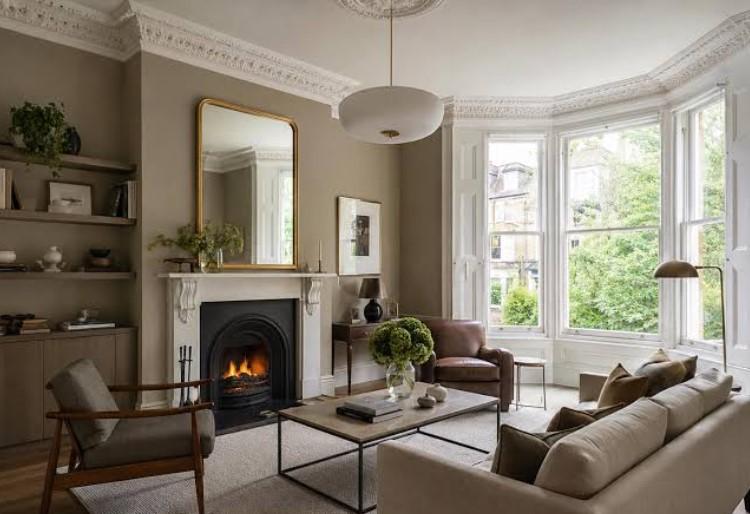
Victorian homes are known for their distinctive character, elegant proportions, decorative details, and strong architectural identity. From high ceilings and large windows to fireplaces, timber flooring, decorative mouldings, and traditional staircases, these properties offer many features that can make an interior feel special. However, modern homeowners often want the character of a Victorian property without creating a home that feels old-fashioned. This is where modern victorian interior design can offer an effective balance.
The aim is to combine original architectural features with contemporary layouts, materials, furniture, lighting, and technology. Instead of removing everything that makes a Victorian property unique, the design process can highlight those features while making the home more comfortable and practical for modern living.
Allison Architects approaches residential design with careful attention to the existing character of a property. A well-planned Victorian interior can respect the history of a building while creating spaces that work for today's lifestyle.
What Is Modern Victorian Interior Design?
Modern victorian interior design combines traditional Victorian architectural elements with contemporary interior planning. The approach can include original fireplaces, cornices, ceiling details, timber floors, panelled doors, and sash windows alongside modern kitchens, minimalist furniture, contemporary lighting, and updated colour schemes.
The key is balance.
A home does not need to be filled with heavy Victorian furniture and dark colours to reflect its heritage. Instead, original features can provide the architectural foundation while modern elements create a lighter and more functional environment.
This approach works particularly well in Victorian houses that have already undergone several changes over the years.
Preserving Victorian Architectural Features
One of the first steps in creating a successful Victorian interior is identifying which original features should be retained.
Fireplaces can become attractive focal points in living rooms and bedrooms. Decorative cornices can add visual interest to ceilings, while original doors and timber flooring can provide warmth and character.
Victorian windows are also important architectural elements. Where possible, repairing and maintaining original features can often provide more character than replacing them with completely modern alternatives.
The goal is not to preserve every detail regardless of its condition or practicality. Instead, the design should identify the features that contribute most strongly to the property's identity.
Creating a Modern Layout
Victorian homes often contain multiple separate rooms. While this traditional arrangement can be attractive, modern families may want more connected spaces for cooking, dining, working, and relaxing.
A modern victorian interior design approach can explore how the existing layout can be improved without unnecessarily removing important architectural features.
For example, a kitchen may be opened partially to an adjacent dining area while retaining decorative details around the original rooms. Wider internal connections can sometimes create a stronger sense of space without turning the entire ground floor into one large open-plan room.
This balanced approach allows homeowners to enjoy both traditional character and modern functionality.
Designing a Contemporary Victorian Kitchen
The kitchen is often one of the most challenging areas to combine with a historic interior.
A modern kitchen requires appliances, storage, work surfaces, lighting, and practical circulation. At the same time, it needs to feel appropriate within a Victorian property.
Contemporary cabinetry can work successfully alongside original brickwork, timber flooring, traditional windows, or decorative features.
Simple cabinet designs, natural materials, modern worktops, and carefully selected hardware can create a sophisticated result without competing with the architecture.
The kitchen should feel modern enough for everyday use while remaining visually connected to the rest of the property.
Choosing Colours
Colour plays an important role in Victorian interiors, but modern interpretations do not have to rely exclusively on deep or dramatic tones.
Soft neutrals, warm whites, muted greens, earthy shades, pale blues, and subtle contrasting colours can work well with traditional architectural details.
A neutral background can allow fireplaces, timber features, doors, and decorative mouldings to become focal points.
Stronger colours can then be introduced through furniture, artwork, curtains, rugs, or selected feature walls.
The right colour palette should respond to the amount of natural light, room proportions, existing materials, and the homeowner's personal preferences.
Modern Furniture With Traditional Architecture
One of the easiest ways to create contrast is to combine contemporary furniture with original Victorian features.
A simple modern sofa can sit comfortably in a room with an ornate fireplace. A contemporary dining table can work alongside traditional flooring and decorative ceiling details.
This contrast can prevent the interior from becoming overly themed.
Furniture should also be selected according to the proportions of the room. Victorian spaces can have tall ceilings and generous dimensions, so oversized or poorly proportioned furniture may make the room feel crowded.
Lighting for Victorian Homes
Lighting is another important part of modern victorian interior design. Historic properties often have beautiful ceiling details that can be highlighted with carefully planned lighting.
Pendant lights can provide a modern focal point, while wall lights and table lamps can create a warmer atmosphere.
Recessed or concealed lighting may also be useful in areas where homeowners want additional illumination without overwhelming the architectural details.
Natural light should remain central to the design. Existing windows can provide an important connection to the outside and should be considered carefully when planning furniture and room layouts.
Bathrooms With Contemporary Style
Bathrooms provide an opportunity to introduce modern design more strongly.
A contemporary bathroom can include clean-lined sanitaryware, frameless shower screens, modern lighting, natural stone, and simple cabinetry while still responding to the Victorian character of the property.
Traditional-style fittings can also be used where homeowners want a stronger connection to the period architecture.
The best choice depends on the overall interior and whether the homeowner prefers contrast or continuity.
Improving Comfort and Energy Efficiency
Older Victorian homes can sometimes have problems with drafts, heat loss, outdated heating systems, or inefficient windows. Modern renovation provides an opportunity to improve comfort while respecting the original building.
Insulation, ventilation, heating, glazing, and energy-efficient lighting can all contribute to a more comfortable home.
However, improvements to historic properties should be carefully considered. Some traditional buildings require approaches that differ from modern construction.
Professional architectural guidance can help homeowners understand how upgrades can be integrated without unnecessarily damaging original features.
Storage Solutions
Storage is an important part of contemporary living, but adding large modern storage units can sometimes conflict with a Victorian interior.
Built-in cabinetry can provide a solution by using awkward spaces, alcoves, chimney breasts, and areas beneath stairs.
Custom storage can be designed to fit the proportions of the room while providing practical space for everyday belongings.
This helps maintain a clean and uncluttered appearance without removing the architectural qualities of the property.
Creating a Balanced Interior
The most successful modern victorian interior design projects do not try to make every part of the property look equally traditional or equally contemporary.
Instead, they allow the two styles to complement one another.
Original fireplaces, mouldings, windows, doors, and floors can provide character. Modern furniture, kitchens, bathrooms, lighting, technology, and storage can provide functionality.
The result can feel sophisticated without appearing overly decorated or artificial.
Why Allison Architects?
Allison Architects takes a design-led approach to residential projects, considering the existing architecture alongside the needs of modern homeowners.
When developing modern victorian interior design, an architectural perspective can help connect interior choices with wider considerations such as space planning, natural light, circulation, materials, building performance, and the structure of the property.
This holistic approach can help ensure that new design elements feel integrated rather than simply added to an existing historic interior.
Whether the project involves a Victorian townhouse, terrace, villa, or another period property, careful planning can create a home that respects its original character while supporting contemporary life.
Final Thoughts
Victorian homes offer a strong architectural foundation for creative interior design. Their original details can provide warmth, identity, and character, while modern design can make them more practical and comfortable for today's lifestyles.
Modern victorian interior design is ultimately about finding the right balance between old and new. Preserving important architectural details while introducing contemporary kitchens, furniture, lighting, bathrooms, storage, and technology can create a timeless result.
With thoughtful planning, homeowners do not have to choose between historic character and modern comfort. Allison Architects can help develop residential interiors that respect the past while creating elegant, functional spaces for the future.

 English
 Arabic
 French
 Spanish
 Portuguese
 Turkish
 Dutch
Dutch
 Italiano
 Russian
 Romaian
 Portuguese (Brazil)
 Greek
Greek
