

What Should You Do With a Junk Car That Has Become Too Expensive to Store?
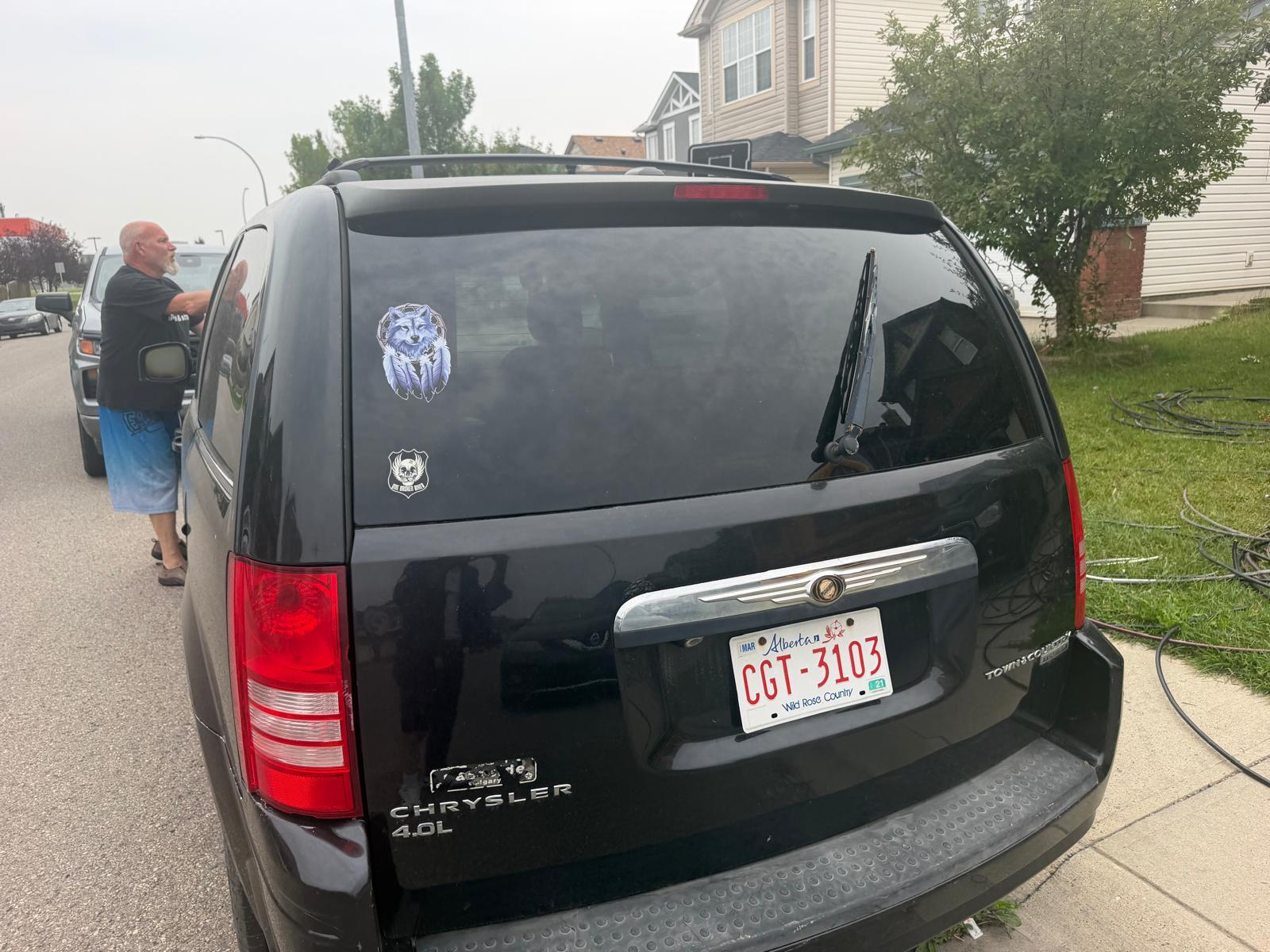
Keeping a junk car may seem harmless at first. You might think you will repair it someday, sell it when you have more time, or simply keep it parked until you decide what to do. But months can turn into years, and the cost of keeping an unwanted vehicle can quietly become a bigger problem.
A vehicle that no longer runs still occupies valuable space. You may be paying for storage, parking, insurance, maintenance, or property costs while the car continues to lose value. In some situations, the cost of keeping the vehicle can eventually become greater than the amount you could recover by selling it.
So, what should you do when a junk car has become too expensive to store?
The practical answer is to stop looking at it as a future repair project and start evaluating its current value, storage costs, removal options, and realistic selling opportunities. You may discover that getting rid of it is financially smarter than continuing to hold onto it.
Start by Calculating the Real Cost of Storage
The first step is surprisingly simple: calculate what the junk car is actually costing you.
Storage expenses can include more than a monthly garage or parking fee. Consider:
· Garage or storage rental
· Insurance payments
· Parking costs
· Property maintenance
· Repairs needed to keep the vehicle movable
· Battery replacement
· Towing or transportation
· Space that could be used for another purpose
For example, a vehicle sitting in a rented storage space may cost hundreds of dollars every month. Even if the car originally had sentimental or resale value, those ongoing expenses can quickly change the financial equation.
Ask yourself one important question:
If you did not already own this car, would you pay money today to store it in its current condition?
If the answer is no, it may be time to consider selling or removing it.
Don't Assume a Junk Car Has No Value
One common mistake is assuming that a vehicle becomes worthless simply because it is old, damaged, or no longer roadworthy.
A junk car can still have value through several sources. Its recyclable metal, usable components, wheels, catalytic converter, body panels, interior parts, and other components may contribute to an offer.
The vehicle's make, model, year, condition, and completeness can also influence its potential value.
Even a car that cannot start may be worth something to a buyer who specializes in unwanted or damaged vehicles.
Instead of deciding that the car is worthless, find out what someone is actually willing to pay for it in its present condition.
Compare the Cost of Repairing It With Selling It
Sometimes owners keep junk cars because they believe repairing them will eventually make financial sense.
That is not always the case.
Imagine an older vehicle needs a transmission, suspension work, tires, electrical repairs, and bodywork. Individually, some repairs may not seem impossible. Together, however, the bill could exceed the vehicle's realistic resale value.
Before spending money, estimate:
Repair cost + storage cost + future maintenance = true investment
Then compare that number with the likely value of the repaired vehicle.
If the difference is small, repairing the car may not be a sensible use of your money.
A vehicle that has already become expensive to store may be telling you that holding onto it is no longer financially practical.
Consider Selling the Car As-Is
Selling a junk car does not necessarily mean restoring it first.
In many cases, the most practical option is to sell the vehicle in its existing condition. This can be especially useful when the car has major mechanical problems, extensive damage, missing parts, or has simply been sitting unused for a long time.
Selling as-is can eliminate the need to spend money on repairs that may never be recovered.
If you want to explore your options before spending more money, Calgary Cash for Cars can help you find out what your vehicle may be worth in its current condition.
The key is to be honest about the vehicle's condition. Tell the buyer whether it starts, whether it rolls, whether major components are missing, and whether the title and other ownership documents are available.
Accurate information helps prevent misunderstandings and makes the selling process easier.
Think About How the Car Will Be Removed
Storage is only one part of the problem. You also need to consider how the vehicle will leave the property.
A non-running junk car may not be suitable for a normal drive-away sale. Depending on its condition and location, it may require towing or specialized loading equipment.
This is why removal arrangements should be discussed before agreeing to a sale.
Ask the buyer:
· Is pickup available?
· Is towing included?
· Can the vehicle be collected from private property?
· Can they handle a non-running car?
· What happens if the car is missing major parts?
· Are there any removal charges?
Knowing these details in advance can prevent an attractive cash offer from becoming less appealing because of unexpected transportation costs.
Check Whether You Still Need the Space
Sometimes the biggest financial benefit of removing a junk car is not the sale price itself.
It is the space you get back.
A vehicle occupying a driveway, garage, parking stall, or rented storage unit may prevent you from using that space for something more valuable.
You could potentially use the area for another vehicle, storage, a workshop, or simply regain access to part of your property.
When calculating the car's true cost, include the value of the space it occupies.
A junk car that brings in a modest amount of cash but eliminates months of storage expenses can still represent a worthwhile financial decision.
Don't Keep Paying for a Car You Don't Plan to Use
There is a major difference between storing a vehicle temporarily and keeping one without a realistic plan.
If you genuinely intend to restore the car and have a defined budget and timeline, storage may make sense.
But if the vehicle has been sitting for months because you are unsure what to do, continuing to delay the decision can become expensive.
The longer a vehicle remains unused, the more likely it is to develop additional problems. Tires can deteriorate, components can corrode, and the overall condition may decline.
Waiting does not automatically preserve value.
Sometimes, acting sooner can prevent a manageable situation from becoming a larger financial burden.
If the vehicle is taking up valuable space and you are ready to have it taken away, junk car removal in Calgary can provide a practical solution.
Get More Than One Valuation When Possible
You do not have to accept the first number you hear.
Getting multiple estimates can help you understand whether an offer is reasonable. Describe the vehicle accurately and provide important details such as its year, make, model, mileage, running condition, damage, and missing components.
If possible, compare offers based on the final amount you actually receive, not just the headline price.
For example, one buyer might offer more but charge for towing, while another might provide a slightly lower offer with free removal.
The better deal is the one that leaves you with the most practical value after all costs are considered.
Prepare Your Documents Before Selling
Before arranging pickup, gather the paperwork associated with the vehicle.
Depending on your location and the buyer's requirements, this may include ownership documents, identification, registration records, keys, and other relevant paperwork.
Also remove personal belongings from the vehicle. Check the glove compartment, trunk, center console, door pockets, and underneath seats.
If the car has been sitting in storage for a long time, you may be surprised by how many personal items have accumulated inside.
Preparing everything beforehand can make the final removal faster and less stressful.
Avoid Spending Money Just to Make the Car Look Better
Another common mistake is spending money on cosmetic improvements that do not meaningfully increase the vehicle's value.
Washing an extremely dirty car may be reasonable, but major detailing, repainting, replacement parts, or cosmetic repairs may not make financial sense if the vehicle is ultimately being sold as junk.
Before paying for any improvement, ask:
Will this expense realistically increase my final selling price by more than I spend?
If not, keeping the vehicle as-is may be the better option.
When Is It Time to Let the Junk Car Go?
There is no universal deadline, but several signs suggest that keeping the vehicle is becoming impractical.
You may want to consider selling or removing it when:
· Storage costs keep increasing
· You have no realistic repair plan
· The vehicle has been unused for a long time
· Major repairs cost more than the car is worth
· The vehicle is taking up valuable property space
· Its condition is continuing to deteriorate
· You are paying ongoing expenses without using it
At that point, selling the car is not necessarily giving up on an asset. It can be a way to stop an ongoing expense.
Final Thoughts
A junk car can become expensive long before its owner realizes it. Storage fees, repairs, deterioration, parking costs, and lost space can gradually turn an unwanted vehicle into a financial burden.
Instead of automatically repairing it or continuing to store it, evaluate its current condition and total holding cost.
Find out what the vehicle may be worth as-is, compare offers, understand removal costs, prepare the necessary paperwork, and consider the value of the space you will recover.
The goal is not simply to get rid of an old car. It is to make a decision that prevents the vehicle from costing you more money than it is worth.

 English
 Arabic
 Spanish
 Portuguese
 Deutsch
 Turkish
 Dutch
Dutch
 Italiano
 Russian
 Romaian
 Portuguese (Brazil)
 Greek
Greek
