

Can You Sell a Junk Car That Has Been Sitting on Private Property?
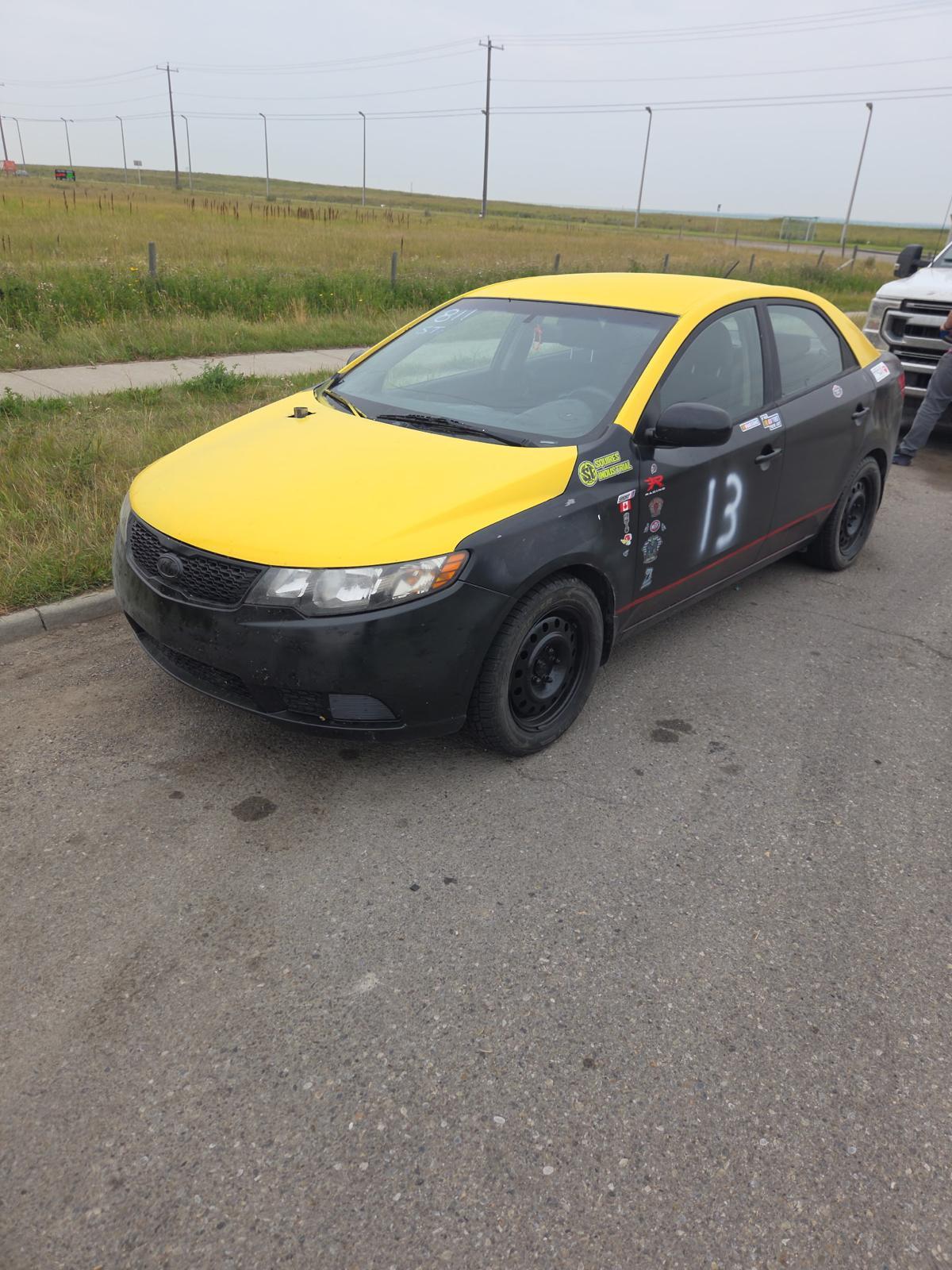
A junk car can sit on private property for months or even years without seeming like an urgent problem. Maybe it stopped running, a repair became too expensive, or you simply never found the right time to deal with it. Eventually, however, that unused vehicle can start taking up valuable space and becoming more difficult to manage.
This raises an important question for Edmonton vehicle owners: Can you sell a junk car that has been sitting on private property?
In many cases, yes. A vehicle does not necessarily have to be roadworthy, registered for everyday use, or currently running to have potential value. However, the process can depend on the car's condition, ownership documents, location, accessibility, and whether it can be safely removed.
Understanding these factors before contacting a buyer can help you avoid unnecessary repairs, transportation problems, and delays.
Does Sitting on Private Property Affect a Junk Car's Value?
Simply sitting on private property does not automatically make a vehicle worthless.
What matters more is the vehicle's overall condition and what remains usable or recyclable. An old car may still contain valuable metal, components, wheels, electronics, or other parts.
However, long-term storage can affect the vehicle indirectly.
A car that has been sitting outside may experience:
· Rust and corrosion
· Flat or deteriorated tires
· Battery failure
· Weather-related damage
· Interior deterioration
· Fluid leaks
· Mechanical deterioration from prolonged inactivity
The longer a vehicle sits unused, the greater the chance that its condition will change.
That does not mean you should repair everything before selling it. It simply means you should describe its current condition accurately when requesting an offer.
What If the Car Doesn't Run?
A non-running vehicle can still be sold as a junk car.
In fact, many junk car buyers specifically deal with vehicles that cannot be driven. The important issue is transportation.
If the car cannot start or move under its own power, you need to know how it will be loaded and transported from the property.
Before accepting an offer, ask whether the buyer provides towing or vehicle pickup. Also explain whether the car is parked in a driveway, garage, backyard, underground parking area, or another restricted location.
Accessibility can make a significant difference.
A vehicle sitting in an open driveway may be straightforward to collect, while one behind another vehicle or inside a narrow garage may require additional planning.
Do You Need Ownership Documents?
Ownership documentation is an important part of selling a vehicle.
A legitimate buyer will generally want to establish that you have the legal right to sell the car. Having the appropriate ownership paperwork ready can make the transaction smoother.
Before arranging a sale, gather the documents you have and check that the vehicle identification information matches the car.
If you have misplaced paperwork, do not automatically assume you cannot sell the vehicle. Instead, ask the relevant provincial authority or potential buyer what documentation is required for your particular situation.
The key is to resolve paperwork questions before scheduling removal.
What If the Car Has Been Sitting on Someone Else's Property?
This situation requires extra care.
There is a major difference between a junk car sitting on your private property and a vehicle sitting on someone else's property with their permission.
If the vehicle belongs to you but is stored at a friend's property, rented location, private parking area, or another person's land, make sure you have permission to remove it.
If ownership of the vehicle itself is unclear, selling it can become significantly more complicated.
Do not assume that possession of the keys means you have the right to sell the vehicle. Ownership and property rights should be clear before a buyer arrives.
Can You Sell a Junk Car Without Repairing It?
Usually, there is no reason to automatically repair a junk car simply because it has been sitting for a long time.
Consider the economics first.
Suppose the vehicle needs a new battery, tires, brakes, suspension work, and additional mechanical repairs before it can safely return to the road. Spending thousands of dollars on repairs may not make sense if the vehicle's final resale value remains low.
Instead of asking, “How can I make this car run again?” ask:
“What is this vehicle worth in its current condition?”
That question can help you avoid putting more money into a vehicle that you already consider unwanted.
If you're considering selling the vehicle in its current condition, Edmonton Cash for Cars can help you explore what your unwanted car may be worth.
What Information Should You Give the Buyer?
The more accurate information you provide, the easier it is for a buyer to evaluate the vehicle.
When requesting a junk car quote, be prepared to share:
· Year, make, and model
· Approximate mileage
· Whether the vehicle starts
· Whether it can move
· Major mechanical problems
· Accident or body damage
· Missing components
· Tire and wheel condition
· Vehicle location
· Ownership documentation
· Number of keys available
Photos can also be useful, especially if the vehicle has visible damage or has been sitting outside for an extended period.
Don't hide major problems just to receive a higher initial estimate. An inaccurate description can lead to a revised offer after inspection.
Does the Location of the Car Matter?
Yes, particularly when the vehicle needs to be removed.
Private property can create different access challenges.
For example, a junk car parked:
In a driveway: Usually easier to access and load.
Inside a garage: The buyer may need to determine whether the vehicle can be moved outside.
Behind another vehicle: Additional vehicles may need to be moved first.
On soft or uneven ground: Loading may require extra equipment or planning.
In a restricted parking area: Permission and access arrangements may be necessary.
Giving the buyer a clear description of the location before pickup can prevent last-minute complications.
When access is difficult or the vehicle cannot be driven, Edmonton junk car removal can make arranging pickup much easier.
Should You Keep the Car Just in Case?
This is where many owners get stuck.
You may think the car could become useful again someday. But if it has already been sitting for a long time, consider what would need to happen before you actually use it.
Would you need repairs?
Would you need new tires?
Would it need registration or inspection-related work?
Would you have to pay for storage?
Would you realistically spend the money required to get it back on the road?
If the answer to most of these questions is yes, continuing to store it may not be the most practical choice.
Compare the Cost of Keeping It
A junk car does not have to cost money directly to become expensive.
The space it occupies has value.
If you are paying for private storage, garage space, or parking, calculate the monthly expense. Then consider how much longer you expect to keep the vehicle.
For example:
Monthly storage cost × months of storage = future holding cost
Add potential repairs and maintenance, and the total can become surprisingly large.
Selling the car today may provide some cash while also eliminating those ongoing expenses.
What About Personal Belongings Inside the Car?
Before pickup, thoroughly check the vehicle.
Look inside:
· Glove compartment
· Center console
· Door pockets
· Trunk
· Under the seats
· Spare-tire compartment
· Storage compartments
People often forget important items when a vehicle has been sitting unused for months.
Remove license plates and personal belongings according to the applicable requirements in your area. If you are unsure about paperwork or plate procedures, verify the current provincial requirements before completing the sale.
How Can Edmonton Owners Make the Process Easier?
Preparation can make selling a long-stored junk car much simpler.
Start by taking clear photos of the vehicle. Gather ownership documents and keys. Make sure the buyer knows exactly where the car is located and whether it starts or moves.
Then compare offers from buyers who handle unwanted, damaged, or non-running vehicles.
Don't focus only on the highest advertised number.
Ask about the final amount, towing, pickup, paperwork, payment method, and any potential deductions.
An offer that looks slightly lower but includes convenient removal may be more useful than a higher offer that comes with additional costs.
What If the Car Has Been Sitting for Years?
A vehicle that has been stationary for several years deserves a realistic evaluation.
Do not assume that starting the engine will immediately make it roadworthy. Long-term inactivity can create problems that are not obvious from the outside.
If you are not planning to restore the car professionally, spending money simply to make it move may not be worthwhile.
Instead, find out whether a buyer is willing to purchase it in its current condition and arrange appropriate removal.
The goal is to avoid turning a simple disposal decision into an expensive restoration project.
A Simple Decision Checklist
Before deciding what to do, ask yourself these questions:
1. Do I still have a genuine reason to keep this car?
2. How much am I spending to store it?
3. How much would repairs realistically cost?
4. Does the vehicle still have usable or recyclable value?
5. Can I legally sell it with the documents I have?
6. Can the buyer access the vehicle easily?
7. Is towing or pickup included?
8. What is the final amount I would actually receive?
If keeping the vehicle no longer makes financial or practical sense, selling it as-is may be the simpler solution.
Final Thoughts
Yes, you can often sell a junk car that has been sitting on private property, even if it no longer runs or has been neglected for a long time.
The important thing is to evaluate the vehicle realistically rather than automatically spending money on repairs. Its age, condition, missing parts, ownership documents, accessibility, and removal requirements can all influence the selling process.
For Edmonton owners, the smartest approach is usually straightforward: document the vehicle's condition, prepare the necessary paperwork, compare realistic offers, and understand how the car will be removed before agreeing to a deal.
A vehicle that has been occupying private property for years does not have to remain a permanent storage problem. With the right information and a practical selling option, you may be able to turn an unwanted car into recovered space and useful cash.

 English
 Arabic
 French
 Portuguese
 Deutsch
 Turkish
 Dutch
Dutch
 Italiano
 Russian
 Romaian
 Portuguese (Brazil)
 Greek
Greek
