

Outside Ground Understanding and Improving the Maintenance
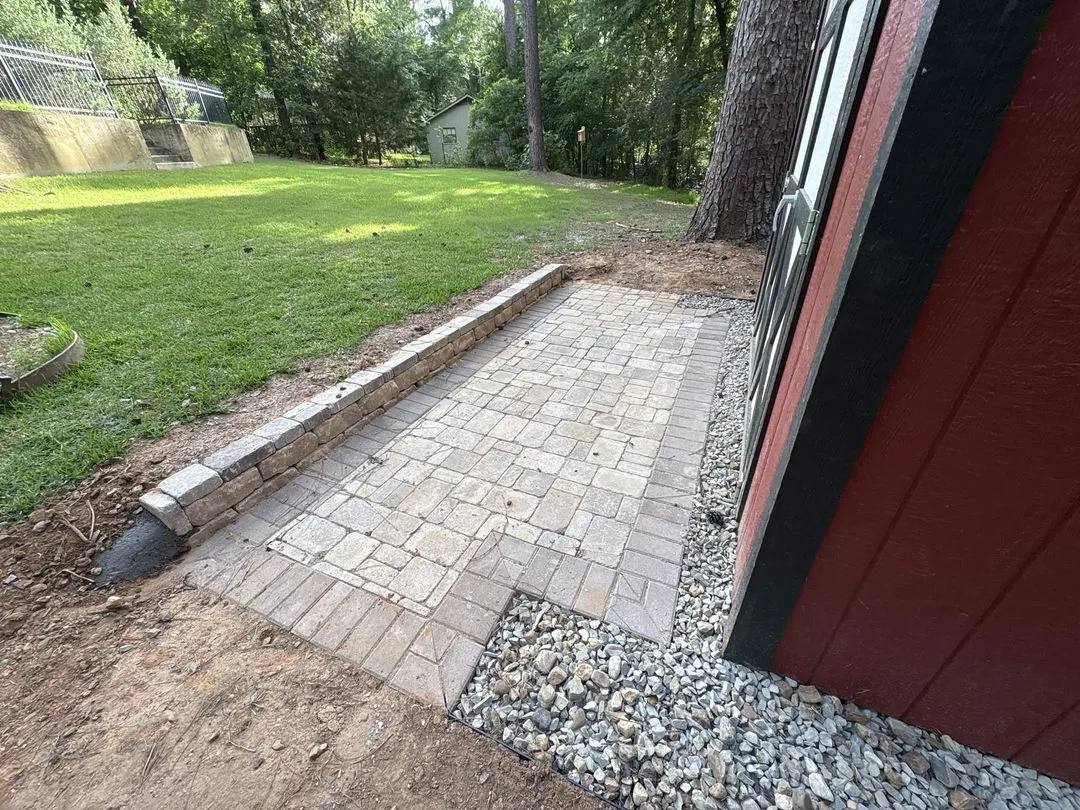
The ground around a home affects much more than appearance. It determines how rainwater moves, how plants grow, how comfortable a yard feels, and how well outdoor features remain stable. Uneven soil can create puddles, muddy patches, bare areas, and difficult mowing conditions. Poor outside ground drainage may also send water toward foundations, patios, or walkways. Improving the landscape therefore requires more than adding plants or decorative materials. Homeowners should first understand the condition of the soil and the way water moves across the property. Once those basic issues receive attention, planting, hardscaping, and other improvements become easier to plan and maintain.
Improving the Outside Ground Around Your Home
The outside ground should support the way you use your property rather than simply fill the space around the house. Start by looking for low spots, compacted soil, erosion, standing water, and areas where grass struggles to grow. These conditions often point to grading or soil problems that need attention before adding new landscaping. Good grading helps direct rainwater toward appropriate drainage areas while keeping it away from the home's foundation. Soil preparation can also improve plant growth by creating better conditions for roots. When homeowners address these basic conditions first, later improvements tend to perform better and require less correction.
Start With a Careful Site Inspection
Walk through the yard at different times of the year and pay attention to changes after rainfall. A low area that appears harmless during dry weather may collect several inches of water during a storm. Likewise, a slope that looks stable can lose soil when repeated runoff follows the same path. Check areas near downspouts, air-conditioning equipment, retaining structures, driveways, and patios because these locations can influence water movement. Look at the condition of existing grass and plants as well. Thin vegetation may indicate poor soil, excessive shade, compacted ground, or drainage problems. A simple inspection gives homeowners a clearer starting point before they spend money on landscape improvements.
Correct Grading Before Adding Features
Grading shapes the direction water takes across a property. When the ground slopes toward a home, rainwater may collect near the foundation or remain trapped against hard surfaces. When the ground contains random depressions, water may pool in places where grass and other plants cannot tolerate prolonged moisture. Regrading can correct these problems by changing elevations and creating a more controlled slope. The work may involve adding soil to low areas, removing excess soil, or reshaping larger sections of the yard. The goal is not to make every part of the property perfectly flat. Instead, the landscape should have intentional slopes that move water safely and support the planned use of each area.
Improve Soil Before Planting
Healthy plants need suitable soil conditions. Construction activity, foot traffic, vehicles, and years of weather exposure can compact the ground and reduce air and water movement around roots. Compacted soil may also make it difficult for grass to establish. Aeration, organic amendments, compost, or replacement soil can help depending on the condition of the existing ground.
Before planting, consider:
- Soil texture: Determine whether the ground contains too much clay, sand, or other material.
- Compaction: Check whether roots can penetrate the soil easily.
- Drainage: Identify whether water drains too quickly or remains trapped.
- Organic matter: Add suitable organic material when the soil lacks it.
- Plant selection: Choose vegetation that fits the area's sunlight and moisture conditions.
Soil improvement should match the property's actual needs instead of relying on the same treatment everywhere.
Managing Water After Heavy Rain
Rainwater needs a planned route through the landscape. Gutters and downspouts should discharge water where it will not damage soil or collect beside the house. Sloped lawns can direct water toward drainage areas, while gravel beds, drains, swales, or other landscape features can help manage runoff. In some yards, rain gardens or carefully selected planting areas can slow water and encourage infiltration. The right solution depends on the property's grade and soil. Homeowners should avoid simply moving a drainage problem from one location to another. Water that leaves one low spot but begins flooding a neighboring area has not truly been managed.
Creating Better Lawn Areas
A healthy lawn starts with appropriate preparation. Remove excessive debris, correct major grade problems, loosen compacted soil, and address drainage before reseeding or installing new turf. Select grass varieties that suit the available sunlight and local growing conditions. Shaded areas may need different solutions from sections that receive direct afternoon sun. Avoid watering on a fixed schedule when the soil already holds enough moisture. Instead, observe the lawn and adjust watering according to weather and seasonal conditions. Proper mowing also matters because cutting grass too short can place unnecessary stress on the plants. Consistent maintenance after installation helps the lawn establish stronger roots.
Adding Paths and Hardscape Features
Once the ground has proper grading and drainage, homeowners can consider patios, walkways, seating areas, fire features, or garden borders. These additions should follow the natural layout of the property rather than create new drainage problems. Hard surfaces can increase runoff because water cannot soak through them as easily as soil or planted areas. Proper slope and drainage around patios and walkways therefore matter during installation. Base preparation also affects whether pavers settle or shift. A well-prepared foundation helps hardscape features remain level and safer to walk on.
Avoiding Common Ground Problems
One of the most common mistakes involves covering a problem instead of fixing it. Adding mulch to a muddy area may improve its appearance temporarily, but it will not correct poor drainage. Similarly, placing decorative stone over severely compacted soil does not automatically create a healthy planting environment. Homeowners should identify the underlying cause before selecting a surface treatment.
Other mistakes include:
- Adding too much soil against the home's exterior.
- Ignoring water from roof downspouts.
- Planting vegetation that cannot tolerate site conditions.
- Installing hardscape without preparing the base.
- Creating slopes that direct runoff toward structures.
- Overwatering newly planted areas.
Addressing the cause usually produces a more durable result than repeatedly treating the visible symptom.
Make Maintenance Part of the Design
A landscape should remain manageable after installation. Consider how often grass needs mowing, how quickly plants grow, where leaves collect, and how easily drainage areas can be inspected. Choose plants that suit the available time and maintenance preferences. Keep drainage outlets accessible so debris can be removed before it creates a blockage. Inspect patios and walkways for movement or cracks, particularly after severe weather. Small maintenance tasks can prevent minor issues from becoming larger repairs.
Conclusion:
When improving the outside ground, focus first on grading, drainage, soil, and practical use. Once those elements work together, planting and hardscape improvements become easier to maintain. Start with a site inspection, correct water and soil problems, and then add features based on how you want to use the property. A thoughtful approach can turn an uneven or troublesome yard into a more comfortable and functional outdoor area.

 English
 Arabic
 French
 Spanish
 Portuguese
 Deutsch
 Turkish
 Italiano
 Russian
 Romaian
 Portuguese (Brazil)
 Greek
Greek