

What Kind of Scar Can You Expect After Tummy Tuck Surgery?
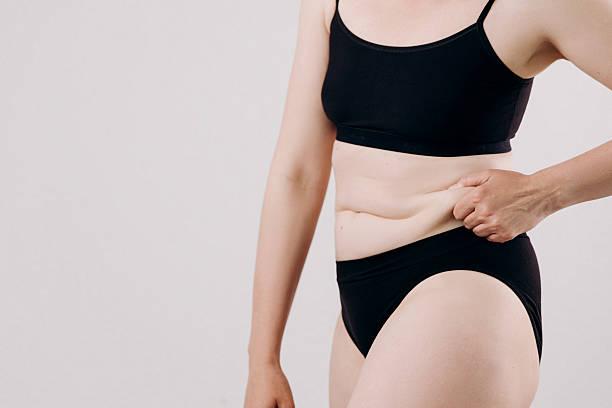
A tummy tuck can create a smoother and firmer abdominal contour, but an incision and resulting scar are an expected part of the procedure. The appearance of the scar depends on factors such as the surgical technique, incision placement, genetics, skin type, and individual healing. For anyone considering Tummy tuck surgery in Riyadh (عملية شد البطن في الرياض), understanding what a tummy tuck scar may look like and how it changes over time can help create realistic expectations before treatment. With appropriate surgical planning and aftercare, the scar can gradually become less noticeable as it matures.
Where Is a Tummy Tuck Scar Located?
A traditional tummy tuck generally involves a horizontal incision across the lower abdomen. Surgeons typically plan the incision so it can be positioned as low as reasonably possible and concealed beneath underwear or swimwear. However, the exact location and length depend on your anatomy and the amount of excess skin that needs to be removed.
The scar may extend farther toward the sides when a larger area of excess skin needs to be addressed. Patients should discuss the expected incision pattern with their surgeon before surgery so they understand how it may relate to their natural body shape and clothing preferences.
Does Every Tummy Tuck Have the Same Scar?
No. The scar varies according to the type of tummy tuck performed. A mini tummy tuck generally requires a shorter incision because it focuses mainly on the lower abdomen. A full tummy tuck may involve a longer incision and usually includes a separate incision around the belly button when repositioning is required.
An extended tummy tuck can create a longer incision that extends farther toward the sides of the body. The appropriate technique depends on the distribution of excess skin, abdominal laxity, and the patient's desired contour. Therefore, scar size should be considered alongside the overall treatment plan rather than as an isolated factor.
What Does the Scar Look Like Initially?
During the early healing period, the incision may appear red, pink, raised, swollen, or darker than the surrounding skin. It can also feel firm, tight, itchy, or sensitive. These changes do not necessarily represent the final appearance of the scar.
For patients undergoing Tummy tuck surgery in Riyadh, patience during the healing process is important. Scars typically change gradually rather than becoming faint immediately after surgery. Your surgeon can monitor the incision during follow-up visits and advise you about appropriate care as healing progresses.
How Does a Tummy Tuck Scar Change Over Time?
Scar maturation can take many months. During this process, a scar may gradually become softer, flatter, and less noticeable. The rate of change varies from person to person, and some scars remain more visible than others.
Factors such as genetics, skin characteristics, tension on the incision, wound healing, and exposure to sunlight can influence the final appearance. Even with excellent surgical technique and aftercare, it is not possible to guarantee that a scar will completely disappear.
What Can Affect Scar Appearance?
Several factors can influence how your scar develops. Individual healing tendencies are important, as some people naturally develop thicker or more prominent scars. The size of the incision and the amount of tension placed on the wound can also affect scar formation.
Smoking and nicotine exposure may interfere with wound healing by affecting blood flow. Following your surgeon's recommendations about nicotine avoidance, nutrition, activity, and wound care can support healthier healing. Protecting a healed scar from excessive sun exposure can also help reduce unwanted pigmentation changes.
Can You Reduce the Appearance of a Tummy Tuck Scar?
Once the incision has fully healed, your surgeon may recommend specific scar-management options. These can include silicone-based products, massage, or other treatments depending on the scar's condition and your individual needs.
Do not apply creams, silicone products, oils, or other treatments to a fresh or open incision unless your medical team has instructed you to do so. Starting scar treatments too early can irritate healing tissue, so timing should be determined by your surgeon.
How Should You Care for the Incision?
Good postoperative wound care is important during the early stages of healing. Keep the incision protected according to your surgeon's instructions and avoid unnecessary stretching, rubbing, or pressure on the area.
Attend your follow-up appointments so your medical team can evaluate healing. Contact your surgeon if you notice increasing redness, worsening pain, significant swelling, unusual drainage, persistent bleeding, wound separation, fever, or other concerning changes.
Can the Scar Be Completely Hidden?
A surgeon may be able to place a tummy tuck incision low enough to be concealed by many types of underwear or swimwear, but this cannot always be guaranteed. Body shape, existing scars, the amount of skin being removed, and surgical requirements can influence the final placement.
During consultation, ask your surgeon to explain where your incision is likely to be positioned and how extensive it may need to be. Understanding the trade-off between scar placement and the amount of abdominal correction can help you make a more informed decision.
Setting Realistic Expectations
A tummy tuck scar is a permanent part of the procedure, even though its appearance usually changes considerably as it matures. The goal is not to eliminate every trace of the incision but to create an appropriate abdominal contour while positioning and managing the scar as carefully as possible.
For people researching Tummy tuck surgery in Riyadh, discussing scar expectations during consultation is essential. Ask about the likely incision length, location, healing timeline, scar-care recommendations, and factors that may influence your individual result.
Book an Appointment at Royal Clinic Saudia
If you are considering a tummy tuck and want to understand how the procedure may affect your abdominal contour and scar appearance, schedule a consultation at Royal Clinic Saudia (عيادات رويال كلينك). The medical team can assess your anatomy, explain suitable surgical options, discuss incision placement, and provide guidance on recovery and scar care.

 English
 Arabic
 French
 Spanish
 Deutsch
 Turkish
 Dutch
Dutch
 Italiano
 Russian
 Romaian
 Portuguese (Brazil)
 Greek
Greek
