

Modern Victorian Interior Design: Blending Classic Charm with Contemporary Style
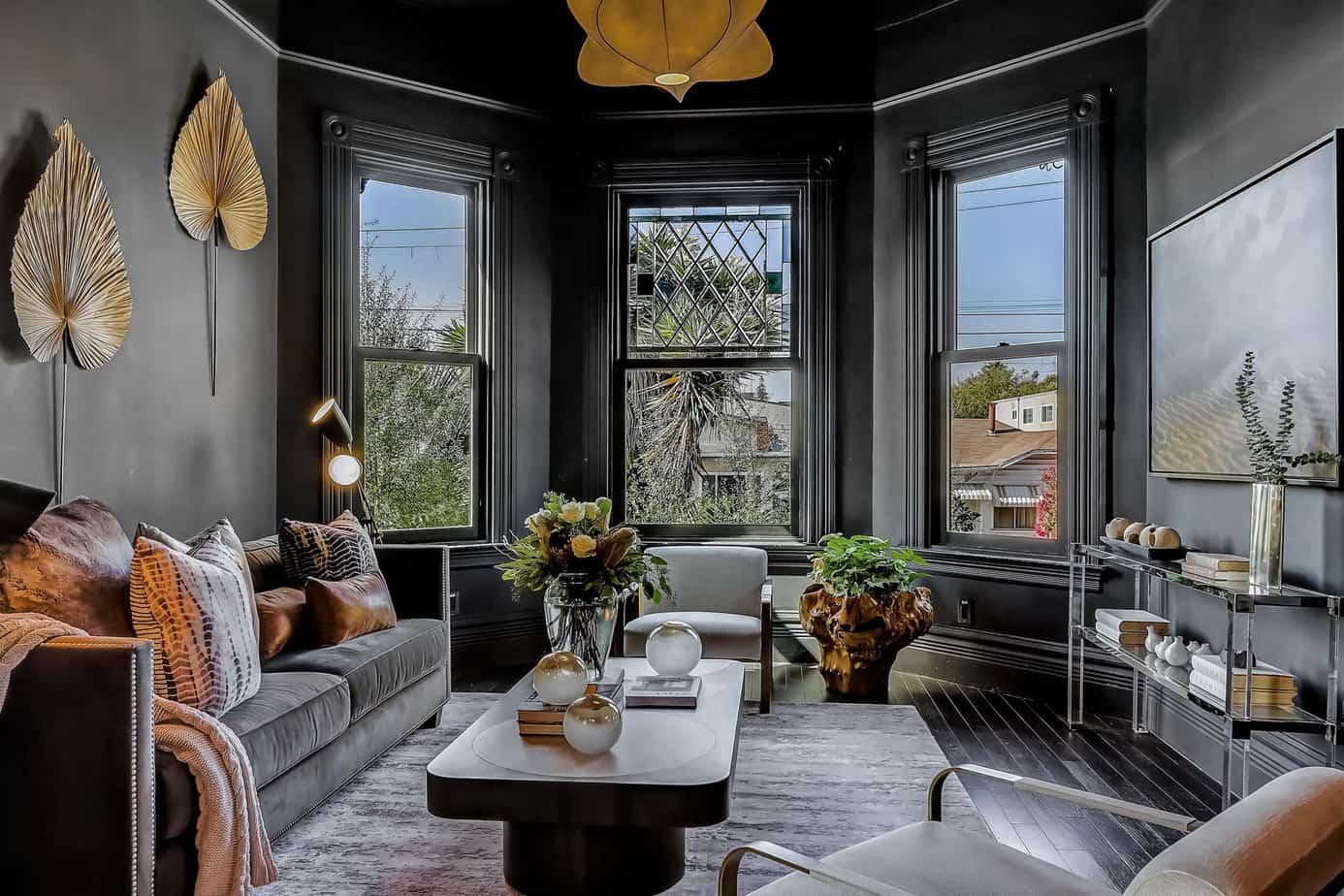
Modern Victorian interior design offers a refined way to combine the architectural character of a period home with the comfort and simplicity of contemporary living. Instead of recreating a Victorian interior exactly, this style keeps distinctive historic details while introducing modern furniture, practical layouts, and updated materials. The result can feel elegant without becoming overly traditional or themed. For homeowners renovating a Victorian property, the approach provides an opportunity to respect original character while creating rooms that work naturally for modern lifestyles.
Understanding Modern Victorian Interior Design
The foundation of modern Victorian interior design is balance. Victorian properties often feature high ceilings, decorative fireplaces, timber floors, detailed mouldings, sash windows, panelled doors, and ornate architectural elements. These features can provide visual interest without requiring extensive decoration. Contemporary furniture, restrained colours, modern lighting, and practical storage can then create contrast. When these elements are carefully combined, the historic structure remains the focal point while the interior feels comfortable and current.
Before making major changes, homeowners should identify which original features are worth retaining. Some elements may have significant architectural character, while others may have been introduced during previous renovations. Understanding the existing building can help determine where restoration is appropriate and where modernization can improve functionality. If structural or historic details are uncertain, professional advice can help guide decisions. Protecting important features while adapting less significant areas often produces a more authentic result than attempting to preserve everything unchanged.
Choosing a Contemporary Colour Palette
Colour is one of the easiest ways to bridge traditional and modern design. Victorian interiors were often associated with rich, deep colours, but a contemporary interpretation can use these shades more selectively. Soft neutrals, warm whites, muted greens, deep blues, earthy tones, and subtle charcoal can create depth without making a room feel heavy. A lighter base can also help emphasize decorative features while allowing contemporary furniture to sit comfortably within the space.
Rather than giving every room a completely different colour scheme, consider using a connected palette throughout the home. Related shades can create continuity while allowing individual rooms to have their own character. Stronger colours can be reserved for feature walls, cabinetry, upholstery, or smaller decorative elements. This approach allows the historic architecture to remain visually important while giving the interior a fresh and contemporary atmosphere.
Combining Traditional Architecture With Modern Furniture
Modern furniture can provide an effective contrast against Victorian architectural details. A streamlined sofa positioned near an ornate fireplace, for example, can create an interesting relationship between old and new. Contemporary dining tables, minimalist storage, modern armchairs, and clean-lined beds can prevent a period property from feeling like a museum. The aim is not to eliminate traditional character but to give it room to interact with present-day design.
Proportion should be considered carefully when selecting furniture. Victorian rooms often have generous ceiling heights and larger proportions, so small furniture pieces may appear lost within the space. At the same time, filling every available area can hide important architectural details and make the room feel crowded. Select pieces according to the scale of the room and leave enough visual space around fireplaces, windows, doors, and decorative mouldings. This creates a more balanced and sophisticated interior.
Using Lighting to Enhance Period Features
Lighting can completely change how a Victorian room looks and feels. A layered lighting scheme can combine ceiling fixtures, wall lights, floor lamps, table lamps, and focused task lighting. Contemporary fittings can introduce a modern element without competing with original features. Positioning lights carefully can also draw attention to fireplaces, textured walls, artwork, staircases, or decorative ceilings.
Natural light should be treated as an important part of the interior design. Tall Victorian windows can provide excellent daylight, but heavy curtains or poorly positioned furniture can reduce its impact. Lightweight window treatments can maintain privacy while allowing more light into the room. Mirrors and carefully selected reflective finishes may also help distribute daylight. These simple decisions can make period interiors feel brighter and more spacious without changing their architectural identity.
Updating Kitchens and Bathrooms
Kitchens and bathrooms often require more substantial modernization because they need to meet contemporary standards of comfort, storage, hygiene, and functionality. A modern kitchen can still acknowledge Victorian character through shaker-style cabinetry, timber details, natural stone, classic hardware, or carefully chosen colours. Contemporary appliances and efficient storage can then provide the practical performance expected from a modern household.
Bathrooms can use a similar approach by combining traditional-inspired fixtures with contemporary finishes. A period-style basin or bath can work alongside modern lighting, large-format surfaces, or minimalist storage. The important consideration is consistency with the rest of the property. Even highly functional spaces can reflect the home's architectural identity through proportion, materials, hardware, and colour without becoming overly decorative.
Introducing Modern Materials and Technology
Contemporary materials can improve the performance and durability of a Victorian home while preserving its visual character. Timber, stone, metal, glass, natural textiles, and carefully selected composite materials can all work within a modern period-inspired interior. The focus should be on quality, proportion, and compatibility with the existing architecture. Materials that age well can also help the design remain attractive as trends change.
Technology should be integrated thoughtfully rather than allowed to dominate the room. Smart heating controls, modern lighting systems, efficient appliances, and entertainment equipment can improve everyday convenience. Where possible, cables and technical equipment can be concealed or positioned discreetly. This allows homeowners to benefit from modern technology while keeping the visual emphasis on the property's architecture and carefully selected interior details.
Incorporating Additional Space Thoughtfully
Victorian homes sometimes require layout changes because their original rooms were designed around lifestyles that differ from those of modern households. Extensions and conversions can provide additional space, but they should be planned carefully so that the original architecture remains respected. A contemporary addition does not necessarily need to imitate Victorian detailing. In many cases, a clearly defined modern element can create a more interesting contrast while allowing the historic building to remain visually distinct.
When undertaking projects such as a garage conversion, homeowners should also consider technical requirements alongside interior design. Building regs garage conversion work may involve requirements relating to insulation, ventilation, structural stability, fire safety, drainage, and other aspects of residential construction. These matters should be considered during the design stage rather than after decorative decisions have been finalized. Professional architectural and technical advice can help ensure that the new space is both attractive and suitable for its intended use.
Adding Texture and Decorative Character
Texture can help create warmth in a modern Victorian interior without relying on excessive ornamentation. Natural timber, woven fabrics, upholstered furniture, rugs, curtains, stone, ceramics, and textured wall finishes can add depth to otherwise simple rooms. Mixing several textures within a restrained colour palette can create a sophisticated atmosphere. This is particularly effective when contemporary furniture is placed against traditional architectural backgrounds.
Accessories should be selected carefully rather than used to fill every empty surface. Artwork, mirrors, plants, books, ceramics, and decorative objects can add personality while allowing original features to remain visible. A Victorian fireplace, staircase, ceiling rose, or detailed doorway can often serve as a focal point without additional decoration. Keeping some areas relatively simple gives the eye somewhere to rest and prevents the interior from feeling overly busy.
Creating a Cohesive Home
Consistency is important when combining historic architecture with contemporary style. Every room does not need to look identical, but there should be a recognizable relationship between spaces. Repeating certain materials, colours, hardware finishes, or lighting styles can create visual continuity. This allows individual rooms to have different functions while still feeling like part of the same home.
The transition between original and renovated areas also deserves attention. If a modern kitchen, bathroom, or extension looks completely disconnected from the rest of the property, the overall design may feel fragmented. Subtle references to existing architectural features can help create a smoother relationship. At the same time, modern spaces should be allowed to express their own identity rather than being forced to imitate historic rooms.
Creating a Timeless Modern Victorian Home
The strongest modern Victorian interiors do not attempt to reproduce the past in every detail. Instead, they identify the features that give the property its character and combine them with contemporary solutions that support modern living. Thoughtful colour choices, well-proportioned furniture, layered lighting, natural materials, practical storage, and carefully integrated technology can all contribute to this balance. The result should feel authentic to the building while remaining comfortable and functional for today's household.
A successful renovation begins with understanding the property and establishing clear priorities before making major design decisions. Original features should be assessed carefully, while modern improvements should be introduced with respect for the home's proportions and architectural identity. Whether you are updating individual rooms or undertaking a larger conversion or extension, careful planning can help maintain the relationship between old and new. With the right balance, Victorian character and contemporary comfort can work together to create a home that remains appealing for years to come.

 English
 Arabic
 French
 Spanish
 Portuguese
 Deutsch
 Turkish
 Dutch
Dutch
 Italiano
 Russian
 Portuguese (Brazil)
 Greek
Greek