

What Happens During a Liposuction Procedure in Riyadh?
Liposuction is a surgical body-contouring procedure designed to remove localized fat deposits and refine specific areas of the body. If you are considering liposuction in riyadh, knowing what happens before, during, and immediately after the procedure can make the process easier to understand. From the initial consultation and treatment planning to fat removal and postoperative care, each stage is designed around the patient's individual anatomy, health, and body-contouring goals.
What Happens Before the Procedure?
The liposuction journey begins with a consultation. During this appointment, a qualified surgeon evaluates the areas where localized fat is present and discusses the changes the patient hopes to achieve. Medical history, medications, previous procedures, skin elasticity, and general health may also be reviewed.
Creating a Personalized Treatment Plan
The surgeon determines which areas may be suitable for treatment and develops an individualized plan. Common areas include the abdomen, waist, hips, thighs, arms, back, and under the chin. The planned technique and treatment approach depend on the patient's anatomy and the amount and location of fat being addressed.
Preparing for Liposuction
Before surgery, patients receive specific preparation instructions based on their individual circumstances. These instructions may involve medications, supplements, eating and drinking, smoking, and arrangements for transportation or assistance after the procedure.
Why Preparation Matters
Following preoperative instructions helps the surgical team prepare appropriately and can reduce avoidable complications. Patients should provide complete information about their medical history, allergies, medications, and previous surgeries.
What Happens on the Day of Surgery?
On the day of the procedure, the treatment areas are reviewed and prepared. The surgical team confirms the planned areas and discusses any final details. Appropriate anesthesia is then administered according to the treatment plan.
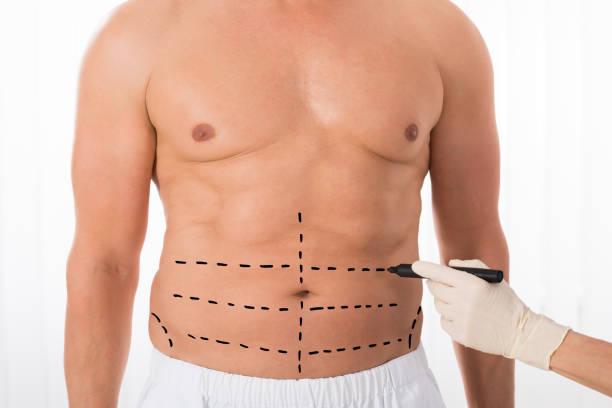
Marking the Treatment Areas
The surgeon may mark specific areas on the body before surgery. These markings help identify where fat will be removed and assist with maintaining balanced proportions during the procedure.
How Is Anesthesia Administered?
The type of anesthesia used depends on factors such as the treatment area, extent of the procedure, and the surgeon's plan. Options may include local anesthesia with sedation or general anesthesia in appropriate circumstances. The medical team selects the approach based on the patient's needs and the procedure being performed.
Monitoring During Surgery
Throughout the procedure, trained medical professionals monitor the patient's vital signs and overall condition. The specific monitoring and anesthesia arrangements depend on the type and extent of surgery.
How Is Fat Removed?
Once the patient is appropriately anesthetized, the surgeon makes small incisions in or near the selected treatment areas. A thin tube called a cannula is inserted through these openings. The cannula is carefully moved through the fatty tissue to loosen and remove targeted fat.
Controlled Fat Removal
The objective is not simply to remove as much fat as possible. The surgeon carefully considers the patient's natural body shape and surrounding areas while removing localized deposits. Controlled fat removal can help create smoother and more proportionate contours.
Which Liposuction Techniques May Be Used?
Different techniques may be used depending on the patient's requirements. Tumescent liposuction involves introducing a specialized solution into the treatment area before fat removal. Power-assisted techniques use mechanical movement to assist the cannula, while ultrasound-assisted and laser-assisted approaches use additional energy technologies.
Why Does Technique Selection Matter?
Each technique has particular applications and considerations. The most suitable option depends on the treatment area, tissue characteristics, amount of fat, skin condition, and surgeon's experience. A consultation allows the patient to understand why a particular technique is being recommended.
What Happens Immediately After Fat Removal?
After the planned fat removal is completed, the surgical team manages the small incisions according to the procedure. Dressings or compression garments may be used when appropriate. The patient is then monitored while recovering from anesthesia.
Initial Postoperative Monitoring
Medical staff monitor the patient's condition during the immediate recovery period and provide instructions for returning home or remaining under observation when necessary. The appropriate recovery arrangements depend on the procedure and individual circumstances.
What Does Early Recovery Feel Like?
It is normal for swelling, bruising, tenderness, and temporary changes in sensation to occur after liposuction. The intensity and duration of these effects vary depending on the treatment area and extent of the procedure.
Following Aftercare Instructions
Patients should carefully follow the surgeon's postoperative instructions. These may include guidance on movement, physical activity, wound care, compression garments, medications, and follow-up appointments. Following these recommendations supports the healing process.
When Do Liposuction Results Become Visible?
The body needs time to recover after surgery. Initial changes may be noticeable, but swelling can temporarily affect the appearance of the treated areas. As healing progresses, the contours generally become clearer. The final appearance can take longer to develop depending on the individual.
Why Patience Is Important
It can be tempting to judge the outcome immediately after surgery, but early swelling does not represent the final result. Allowing the body to heal and attending scheduled follow-up appointments provides a better opportunity to assess the developing contours.
Is Liposuction a Weight-Loss Procedure?
Liposuction is primarily a body-contouring procedure, not a substitute for weight-loss treatment. It targets localized fat deposits in selected areas rather than treating obesity. Patients should discuss their overall goals with a qualified surgeon to determine whether liposuction is appropriate.
What Are the Potential Risks?
As with any surgical procedure, liposuction has potential risks and complications. These can include infection, bleeding, fluid accumulation, changes in sensation, contour irregularities, scarring, and complications related to anesthesia. The specific risks vary according to the procedure and individual health factors.
Why Medical Evaluation Is Essential
A thorough medical assessment helps identify factors that may affect treatment or recovery. Patients should discuss existing medical conditions and medications with their surgeon and ask questions about potential complications before making a decision.
How Can Results Be Maintained?
Liposuction removes fat cells from treated areas, but remaining fat cells can enlarge with significant weight gain. Maintaining a stable weight through balanced nutrition and regular physical activity can help support the body's contours after treatment.
Long-Term Body Contouring
Natural aging and future weight changes can influence body shape. Liposuction does not prevent these changes, so healthy habits and realistic expectations remain important after the procedure.
Book an Appointment With Royal Clinic Saudia
If you are considering Liposuction in Riyadh and want to understand the procedure in relation to your individual goals, Royal Clinic Saudia can provide a personalized consultation. Discuss your treatment areas, suitable techniques, preparation, recovery, potential risks, and expected outcomes with a qualified professional.
FAQs:
How long does a liposuction procedure take?
The duration varies according to the number and size of treatment areas and the extent of fat removal.
Will I be awake during liposuction?
It depends on the type of anesthesia selected for your procedure. Your surgical team will explain the appropriate option.
Is swelling normal after liposuction?
Yes. Swelling and bruising are common during the early recovery period and generally decrease as healing progresses.
When can I return to normal activities?
The timeline varies depending on the procedure and individual recovery. Your surgeon will provide specific activity and recovery instructions.

 English
 Arabic
 French
 Spanish
 Portuguese
 Deutsch
 Turkish
 Dutch
Dutch
 Russian
 Romaian
 Portuguese (Brazil)
 Greek
Greek
