

Antique Appraisal Estate Sale: How to Uncover the True Value of Your Treasures
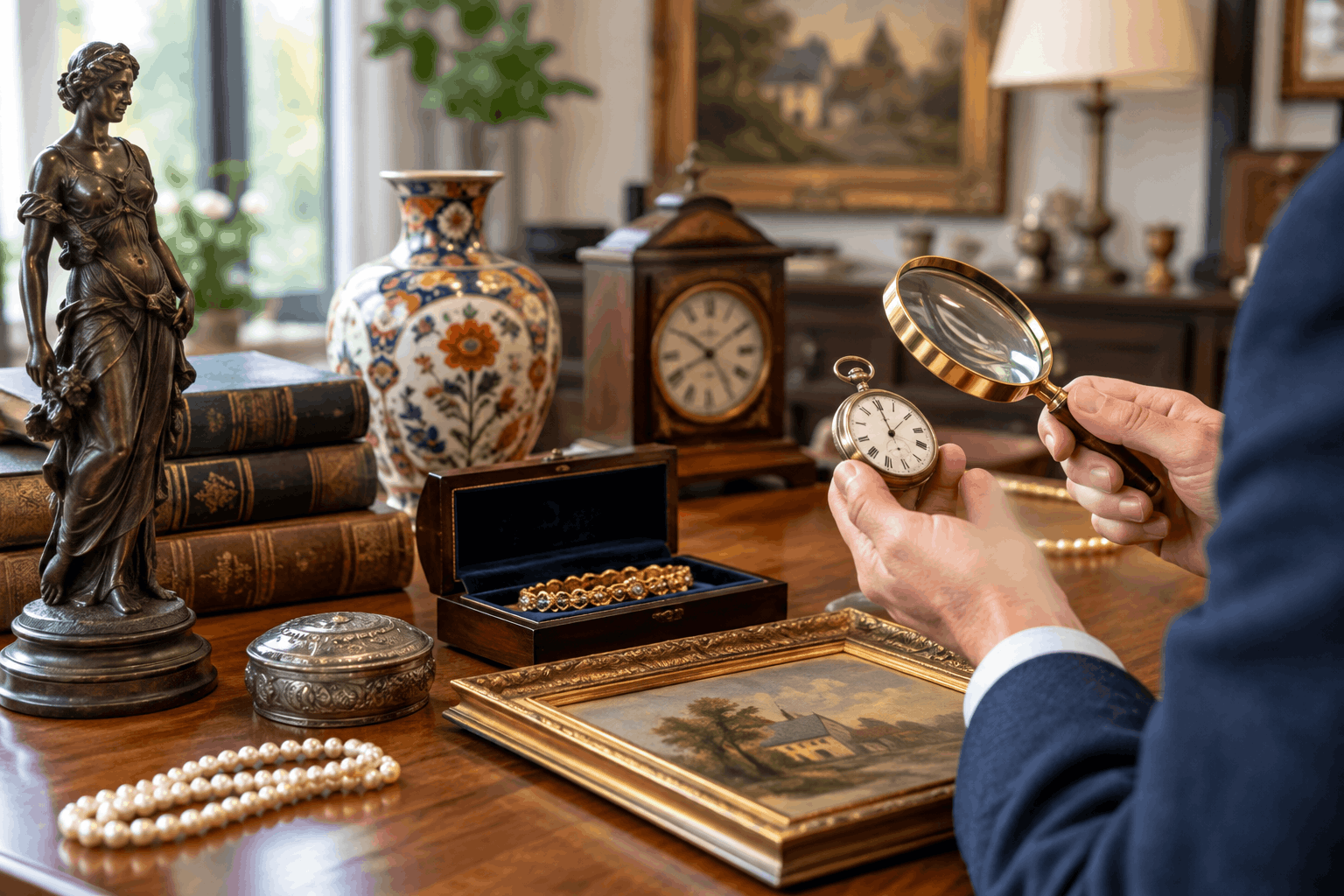
When preparing an estate for sale, it can be difficult to know which belongings are ordinary household items and which may have significant value. An antique appraisal estate sale process helps identify valuable antiques, collectibles, furniture, artwork, jewelry, and other personal property before everything is priced and sold.
Rather than relying on age or appearance alone, a proper appraisal considers factors such as condition, authenticity, maker’s marks, provenance, materials, and recent comparable sales. These details can make a major difference when determining what an item may be worth.
Why Antique Appraisal Matters Before an Estate Sale
One of the biggest mistakes during an estate sale is pricing valuable objects without sufficient research. An attractive piece of furniture may appear ordinary, while an old-looking decorative item may have little resale value.
An appraisal helps separate genuine opportunities from everyday possessions. It can also provide useful information when families need to divide assets, prepare an estate for liquidation, or determine appropriate pricing.
Age Does Not Always Determine Value
Many people assume that older items are automatically more valuable. In reality, age is only one factor. The maker, rarity, condition, demand, originality, and documented history can all influence an antique's market value.
For example, a piece with a recognizable maker's mark may be more desirable than an older but unidentified item. Similarly, an antique that retains its original finish may attract different buyers than a heavily restored or altered example.
What Factors Affect Antique Value?
A thorough antique appraisal estate sale evaluation looks at several characteristics before establishing a realistic value range.
Maker's Marks and Authenticity
Maker's marks, signatures, labels, hallmarks, and manufacturer stamps can help identify an item's origin. Furniture stamps, silver hallmarks, pottery marks, and artist signatures may provide important clues about age and authenticity.
These details should be photographed and researched carefully because similar-looking reproductions can have very different values.
Condition and Originality
Condition is another major consideration. Cracks, missing parts, repairs, refinishing, stains, structural damage, and alterations can affect an item's desirability.
Original components and finishes may also be important to collectors. A piece that looks newer after extensive restoration may not have the same market appeal as one that retains its original character.
Provenance and History
Provenance refers to the documented history of ownership or origin. Receipts, family records, auction documentation, photographs, certificates, and other supporting paperwork can provide useful evidence.
While family stories can offer valuable leads, documentation can make an item's history easier to verify and may increase buyer confidence.
How an Antique Appraisal Estate Sale Process Works?
The appraisal process generally begins with identifying and documenting the items. Photos, maker's marks, measurements, materials, condition, and available documentation can all be reviewed.
Next, comparable market information is researched. Recent auction results and other relevant sales can provide useful evidence when determining an appropriate value. The goal is to compare the item with similar pieces rather than relying on asking prices or assumptions.
The final step is determining which type of value is actually needed. Fair market value, replacement value, and liquidation value can serve different purposes, so the intended use of the appraisal should be established before assigning a figure.
Common Treasures Worth Reviewing
Before donating or discarding belongings during an estate cleanout, it can be worthwhile to set aside items that may require additional research.
Potential appraisal candidates include:
· Antique and vintage furniture
· Sterling silver and jewelry
· Signed artwork and prints
· Rare or first-edition books
· Vintage watches and clocks
· Collectible ceramics and glassware
· Coins and military memorabilia
· Designer or mid-century furniture
· Antique decorative objects
· Items with unusual maker's marks
Not every old item will have substantial monetary value, but unusual, signed, marked, or well-documented pieces deserve closer attention.
Why Professional Evaluation Can Make a Difference
Online searches can provide helpful starting points, but identifying an antique accurately can be challenging. Two objects may look nearly identical while having different makers, production dates, materials, or market demand.
A professional evaluation brings together identification, condition assessment, provenance research, and comparable-sale information. This can help families avoid both underpricing potentially valuable property and setting unrealistic expectations for ordinary items.
Conclusion
An antique appraisal estate sale approach can help families make more informed decisions before valuable belongings are sold, donated, or discarded. By examining maker's marks, authenticity, condition, provenance, and comparable sales, it becomes easier to understand which items deserve additional attention.
If you are preparing an estate and have antiques or unusual belongings that you are unsure about, schedule an appraisal consultation to identify potential value before placing items on the market.
FAQs
What is an antique appraisal estate sale?
An antique appraisal estate sale involves evaluating antiques and other potentially valuable belongings before or during an estate sale. The process considers factors such as authenticity, maker, condition, provenance, and comparable market sales to establish an appropriate value.
How do I know if an antique is valuable before an estate sale?
Look for maker's marks, signatures, hallmarks, original labels, unusual construction, documentation, and good overall condition. Items with identifiable makers, rarity, provenance, or strong collector demand may deserve professional evaluation before being priced.
Can antiques be appraised from photographs?
Yes, some preliminary antique evaluations can be performed using clear photographs showing the entire item, maker's marks, labels, signatures, dimensions, and areas of damage. However, valuable or difficult-to-authenticate pieces may require an in-person inspection for a more reliable assessment.

 English
 Arabic
 Spanish
 Portuguese
 Deutsch
 Turkish
 Dutch
Dutch
 Italiano
 Russian
 Romaian
 Portuguese (Brazil)
 Greek
Greek