Male pattern hair loss is one of the most recognizable forms of hair thinning and can gradually change the appearance of the hairline, temples, and crown. For some men, the first indication is a slightly higher hairline, while others notice reduced density around the crown or progressively finer strands. Because hair loss can develop at different rates, understanding the early signs and possible causes is important. A personalized approach to hair loss treatment can help men understand their condition and explore suitable options for managing thinning and supporting existing hair.
Male pattern hair loss is strongly associated with genetics and the way certain hair follicles respond to hormones. However, not every case of male hair loss has the same cause. Stress, nutritional deficiencies, scalp conditions, medications, and other factors can contribute to shedding or make thinning more noticeable. Men considering Hair Loss Treatment in Riyadh can benefit from a professional assessment that evaluates the hairline, crown, scalp, and overall pattern before a treatment plan is developed.
What Is Male Pattern Hair Loss?
Male pattern hair loss, medically known as androgenetic alopecia, typically develops gradually. Hair follicles that are genetically sensitive to hormonal influences can progressively become smaller, producing hairs that are finer and shorter.
Common Areas Affected
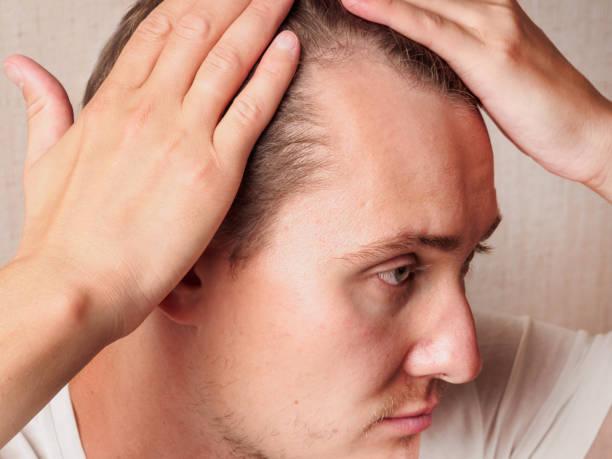
The temples and frontal hairline are frequently affected first. In some men, thinning begins at the crown, while others experience changes in both areas. The pattern and speed of progression vary from person to person.
Early Signs to Watch For
Recognizing early changes can help men seek professional guidance before thinning becomes more extensive.
Receding Temples
The temples may gradually move backward, creating a more pronounced forehead shape. Early recession can be subtle and may only become apparent when comparing current photographs with older images.
Thinning Crown
Some men first notice reduced density at the crown. Increased scalp visibility under bright lighting or when the hair is wet can be an early indication of decreased density.
Finer Hair Strands
Affected follicles may progressively produce thinner strands. This process, known as follicular miniaturization, can make the hair appear less full even when some growth remains.
What Causes Male Pattern Hair Loss?
Genetics play a significant role in male pattern hair loss. Hair follicles in genetically predisposed individuals may be more sensitive to dihydrotestosterone, commonly known as DHT, a hormone derived from testosterone.
The Role of Genetics
A family history of hair loss can increase the likelihood of developing a similar pattern. However, inheritance is complex, and the timing and extent of hair loss can differ even among family members.
Other Contributing Factors
Although genetics are central to male pattern hair loss, increased shedding can also be influenced by illness, stress, nutritional problems, certain medications, and scalp conditions. Identifying these factors is important because they may require different management.
How Is Male Pattern Hair Loss Diagnosed?
A professional evaluation can help distinguish hereditary pattern loss from other forms of hair shedding. The specialist may examine hair density, the hairline, temples, crown, and scalp condition.
Reviewing Medical History
Family history, medications, recent illnesses, lifestyle factors, and previous hair treatments may be discussed. If symptoms suggest another underlying issue, additional examination or laboratory testing may be recommended.
Treatment Options for Male Pattern Hair Loss
Treatment depends on the stage of hair loss, follicle condition, medical history, and individual objectives. Some options aim to support existing follicles, while restoration procedures may be considered for areas where follicles have been permanently lost.
Medical Hair Loss Management
Medical treatments may be recommended for appropriate candidates to help manage certain forms of progressive hair loss. The choice depends on individual circumstances, and a qualified professional should explain potential benefits, limitations, contraindications, and possible side effects.
PRP Hair Treatment
Platelet-rich plasma, or PRP, is a non-surgical approach used for certain types of hair thinning. A small blood sample is processed to concentrate platelets, and the platelet-rich plasma is introduced into selected scalp areas.
Platelets contain growth factors that may help support the environment surrounding existing follicles. PRP is generally considered a follicle-supporting approach rather than a method for creating new follicles.
Hair Transplantation
Hair transplantation may be considered when follicles have been permanently lost in areas such as the hairline or crown. Suitable follicles are taken from a donor area and carefully transferred to areas affected by thinning.
The availability and quality of donor hair are important considerations. A specialist also needs to consider the current pattern of hair loss and the possibility of future progression when developing a restoration plan.
Why Early Evaluation Matters
Male pattern hair loss can progress gradually, and waiting until substantial thinning occurs may reduce the available options for preserving existing density. Early assessment provides an opportunity to understand the condition and establish appropriate expectations.
Preserving Existing Hair
When follicles are still active, certain treatments may focus on supporting them and managing progressive thinning. Treatment decisions should be based on diagnosis rather than simply the amount of hair currently being lost.
What Can Men Expect From Treatment?
The treatment experience varies depending on the selected approach. Non-surgical treatments may involve multiple sessions or ongoing management, while transplantation requires a procedure followed by a recovery period.
Hair Growth Takes Time
Hair follicles follow a natural growth cycle, so visible changes are gradual. The timeline depends on the treatment, follicle condition, underlying cause, and individual response.
Importance of Aftercare
Following professional instructions after treatment can support the recovery process. Patients may receive guidance on scalp washing, physical activity, hair products, and other temporary precautions.
Supporting Hair Health
Daily habits can complement professional hair-loss management. A balanced diet with adequate protein and essential nutrients supports normal hair production. Gentle hair care can also help minimize breakage.
Protecting the Scalp and Hair
Avoiding excessive heat, harsh chemical treatments, and prolonged tight hairstyles may reduce unnecessary damage. Regular scalp hygiene and appropriate hair-care practices can help maintain a healthy environment for existing hair.
When Should Men Seek Professional Advice?
Professional evaluation may be appropriate when the hairline is gradually receding, the crown becomes thinner, shedding increases, or individual strands become noticeably finer. Sudden or patchy hair loss should also be assessed because it may have a cause unrelated to male pattern hair loss.
Book Your Appointment at Royal Clinic Saudia
If male pattern hair loss is affecting your appearance or confidence, Hair Loss Treatment in Riyadh can be explored through a personalized professional assessment. Book an appointment with Royal Clinic Saudia to discuss your hair-loss concerns, understand suitable treatment options, and develop an approach based on your individual condition.
FAQs:
Is male pattern hair loss hereditary?
Yes. Genetics play a major role, although the timing and extent of hair loss can vary between individuals.
Does male pattern hair loss affect only older men?
No. It can begin at different ages, including relatively early adulthood.
Can PRP help with male pattern hair loss?
PRP may be considered for certain types of thinning when viable follicles remain, but suitability depends on professional assessment.
Can a hair transplant restore a receding hairline?
A hair transplant may restore hair in selected areas when suitable donor follicles are available and the individual is an appropriate candidate.


 English
 Arabic
 French
 Spanish
 Portuguese
 Deutsch
 Dutch
Dutch
 Italiano
 Russian
 Romaian
 Portuguese (Brazil)
 Greek
Greek