

Nexgard: Understanding Its Uses, Administration, and Safety Considerations
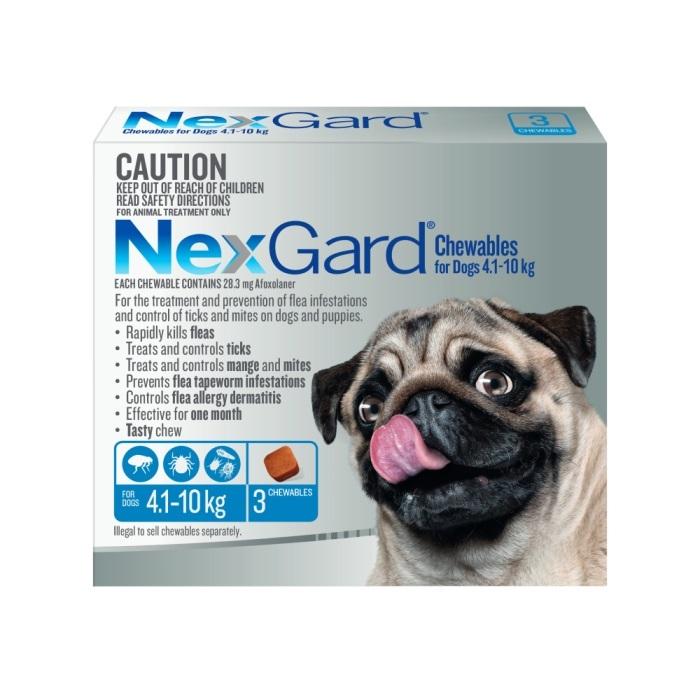
Nexgard is an oral antiparasitic medication used in dogs for the treatment and prevention of certain flea infestations and for the treatment and control of several tick infestations. Its active ingredient is afoxolaner, which belongs to the isoxazoline class of antiparasitic medications. In the United States, its approved uses and labeling are established through federal veterinary drug regulations.
For dog owners researching Nexgard, understanding its intended uses, administration requirements, age and weight considerations, potential adverse reactions, and veterinary guidance can provide useful context. The medication is not intended to replace routine veterinary care or individualized parasite-control recommendations.
What Is Nexgard?
Nexgard contains afoxolaner and is administered orally as a chewable tablet. In the United States, it is approved for dogs and puppies that meet specified age and weight requirements.
The medication works against adult fleas and several tick species. According to U.S. Food and Drug Administration information, it is indicated for the treatment and prevention of flea infestations and the treatment and control of certain tick infestations for one month. The approved indications include several tick species found in the United States.
The medication's specific approved uses should be distinguished from claims or uses that may appear in general online discussions.
Flea Control
Fleas are common external parasites that can cause itching and skin irritation in dogs. Heavy infestations can also contribute to other health problems, particularly in vulnerable animals.
Nexgard is indicated for the treatment and prevention of flea infestations caused by Ctenocephalides felis. Its flea-related use is part of its approved veterinary labeling in the United States.
Effective flea management can also involve environmental control because flea life stages can exist outside the animal. Veterinary advice may therefore address both the dog and the surrounding environment when an infestation is present.
Tick Control
Nexgard is also indicated for the treatment and control of several tick species. U.S. labeling includes black-legged ticks, American dog ticks, lone star ticks, brown dog ticks, and longhorned ticks. Additional federal labeling information has also addressed Gulf Coast tick infestations.
Tick exposure can vary according to geography, season, outdoor activity, and local wildlife. For that reason, parasite-control decisions may differ between dogs living in different parts of the United States.
Age and Weight Considerations
The approved use of Nexgard includes dogs and puppies at least eight weeks of age and meeting the applicable minimum body-weight requirement. The standard U.S. labeling specifies a minimum weight of four pounds for the product.
The appropriate tablet strength is related to the dog's body weight. Owners should not determine dosing solely from a dog's age or breed because weight-based dosing is an important part of the product's labeling.
A veterinarian can help determine whether the medication and its labeled dosage are appropriate for an individual dog.
Administration
Nexgard is administered orally. The dosing schedule is generally monthly when it is being used according to its approved flea and tick indications.
The medication should be administered according to the veterinary prescription and current product labeling. Owners should avoid changing the amount or frequency without veterinary guidance.
If a dose is missed or vomited, the appropriate response can depend on the circumstances. Veterinary advice can help determine how to proceed rather than relying on a generalized dosing assumption.
Potential Adverse Reactions
Like other medications, Nexgard can be associated with adverse reactions. U.S. regulatory information has reported reactions including vomiting, diarrhea, decreased appetite, lethargy, and itching in dogs receiving the medication.
Afoxolaner belongs to the isoxazoline class. The FDA notes that medications in this class have been associated with neurologic adverse reactions, including muscle tremors, ataxia, and seizures. Such reactions can occur even in animals without a previous history of seizures.
A dog experiencing unusual or serious symptoms after receiving an antiparasitic medication should be evaluated by a veterinarian.
Special Veterinary Considerations
Certain dogs may require additional consideration before receiving Nexgard. The FDA's emergency-use information specifically notes that caution is appropriate for dogs with a history of seizures or neurological disorders.
Safety has also not been established for some populations, including dogs younger than the labeled minimum age or weight. Breeding, pregnant, or lactating dogs may require veterinary assessment because safety information can differ for these groups.
Current Emergency Use Information
In 2026, the FDA issued an Emergency Use Authorization allowing Nexgard to be used for treatment of New World screwworm infestations in dogs and puppies under specified conditions. This emergency authorization is separate from the medication's established flea and tick indications.
The authorization applies only under the conditions established by the FDA and should not be interpreted as a general expansion of the medication's ordinary approved uses.
Final Considerations
Nexgard is an oral antiparasitic medication containing afoxolaner and is used in the United States for specified flea and tick indications in eligible dogs. Its use involves age and weight requirements, monthly administration for its standard indications, and attention to potential adverse reactions.
Because individual dogs can have different medical histories and risk factors, veterinary guidance remains relevant when considering parasite prevention. Current labeling and federal regulatory information should also be consulted because approved uses and safety information can change over time.

 English
 Arabic
 French
 Spanish
 Portuguese
 Turkish
 Dutch
Dutch
 Italiano
 Russian
 Romaian
 Portuguese (Brazil)
 Greek
Greek
