

Water Delivery Services for Reliable Bulk Water Supply
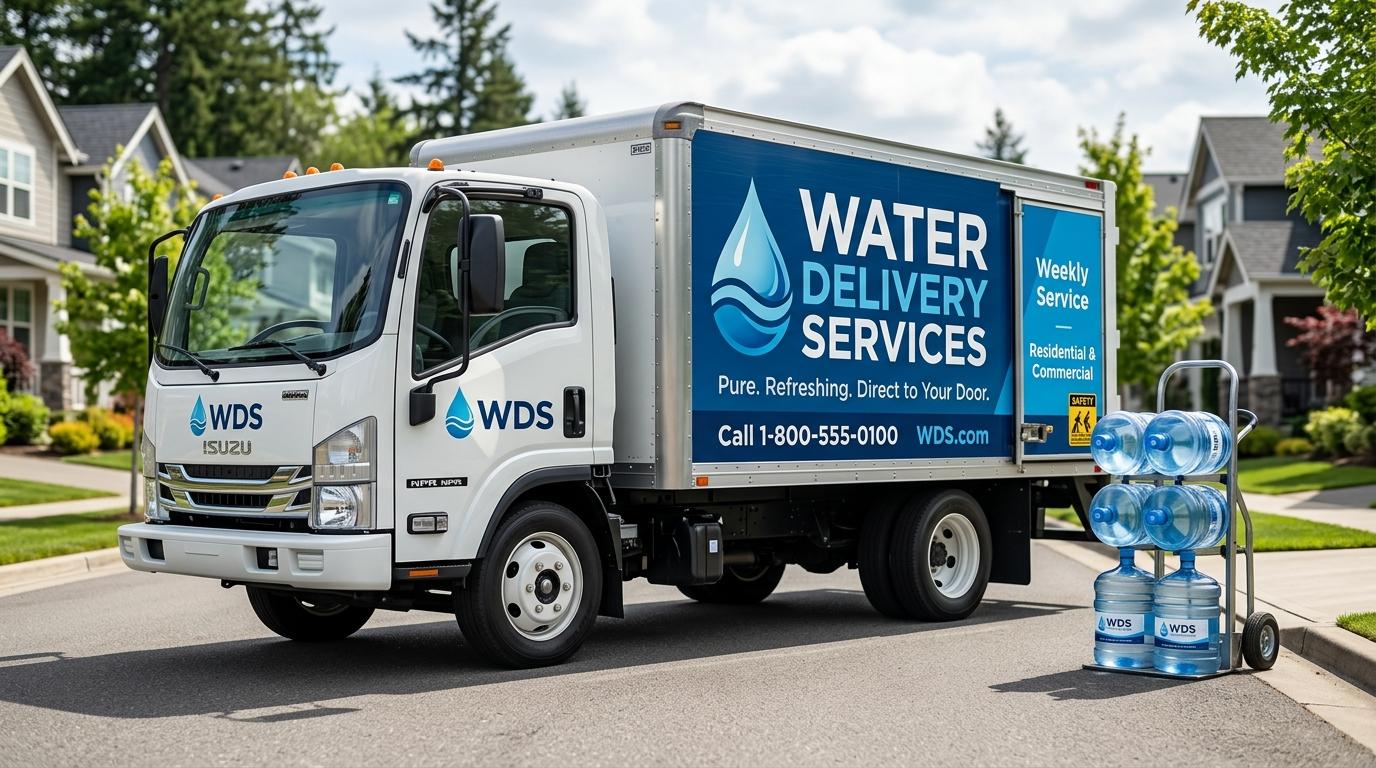
A steady supply of water is important for businesses, construction projects, commercial properties, farms, and large facilities. When the regular source cannot provide enough water, Water Delivery Services can help fill the gap with planned deliveries based on actual requirements. Whether you need water for a construction site, commercial building, industrial operation, or a large event, arranging a reliable bulk water supply can help you keep essential activities running without unnecessary interruptions.
What Are Water Delivery Services
Water delivery services involve transporting water from a suitable source to a specific location using tankers or other delivery vehicles. The quantity can range from a smaller delivery for a limited requirement to several tanker loads for projects that need large amounts of water.
For customers with higher consumption, the main advantage is flexibility. You can arrange deliveries according to your storage capacity, daily usage, project schedule, and expected demand.
Common applications include
- Construction projects
- Commercial buildings
- Industrial facilities
- Agricultural operations
- Large events
- Hotels and hospitality facilities
- Emergency water requirements
- Temporary facilities
- Landscaping projects
The type of water required and the appropriate delivery method will depend on how it will be used.
Why Reliable Bulk Water Supply Matters
A shortage of water can quickly affect normal operations. On a construction site, workers may need water for concrete work, dust control, cleaning, and other activities. A commercial facility may require water for sanitation, landscaping, cooling, kitchens, or employee facilities.
When the available supply is unpredictable, planning becomes difficult.
A reliable bulk water supply gives businesses and project managers another way to manage these requirements. Instead of depending completely on a limited source, they can schedule deliveries based on expected consumption.
For example, if a construction project knows that water consumption will increase during a particular phase, the project team can arrange additional deliveries before that phase begins.
This type of planning can reduce the risk of a sudden shortage.
How Bulk Water Delivery Works
The process of bulk water delivery is relatively straightforward, but proper planning is still important.
First, the customer estimates the required quantity and confirms the delivery location. The provider then selects an appropriate tanker based on the requested volume and site access.
The water is transported to the location and transferred into a suitable storage tank or other approved container.
Before arranging delivery, you should check
- How much water you need
- How much water your storage system can hold
- How quickly you normally consume water
- When the next delivery will be required
- Whether the tanker can access your property
- What the water will be used for
These details can make the delivery process smoother and help avoid ordering more water than the site can store.
Water Tanker Services for Large Requirements
Water tanker services are commonly used when a customer needs a significant amount of water transported to a particular location. Different tankers can have different capacities, so the right vehicle should be selected according to the customer's requirements.
A small commercial facility may only require one delivery, while a major construction project may need several deliveries over an extended period.
Tanker access should also be considered. A delivery vehicle needs enough space to reach the unloading point safely. Construction sites can have changing access conditions, so the project team should communicate any restrictions to the provider before delivery.
Large Volume Water Delivery for Businesses
Businesses that use large quantities of water need a delivery plan that matches their operations. Large volume water delivery can support businesses that require additional water because of high consumption, temporary shortages, expansion, or specific operational activities.
The exact requirement can vary considerably.
A hotel may need water for guest facilities, laundry, cleaning, kitchens, and landscaping. A manufacturing facility may require water for production, equipment, cooling, or sanitation. A large office building may mainly need water for employees, washrooms, cleaning, and general facility maintenance.
Because each business works differently, water requirements should be calculated based on actual consumption rather than a generic estimate.
Commercial Water Delivery
Commercial water delivery can help businesses maintain their water supply when their normal source is insufficient.
Businesses can plan deliveries around
- Operating hours
- Number of employees
- Customer traffic
- Facility size
- Production requirements
- Cleaning schedules
- Landscaping needs
- Storage capacity
- Seasonal demand
If you manage a commercial property, it is useful to monitor water usage over time. This gives you a clearer picture of how much water is normally consumed and when demand increases.
With this information, you can schedule deliveries before the available water reaches a critical level.
Business Water Delivery Planning
Business water delivery should ideally be part of a broader supply plan rather than something arranged only when the tank is empty.
A business can begin by identifying its average daily consumption. Next, compare that amount with the available storage capacity.
For example, if a facility can store several days of water, management can schedule deliveries before the reserve becomes too low. This provides some flexibility if a delivery is delayed or consumption unexpectedly increases.
Businesses should also keep records of previous deliveries. Over time, these records can help identify consumption patterns and make future planning more accurate.
Construction Water Supply
Construction projects often have changing water requirements. Early project activities may require a relatively small amount of water, while later stages can create significantly higher demand.
A construction water supply may be needed for
- Concrete preparation
- Curing
- Dust suppression
- Equipment cleaning
- Worker facilities
- Site cleaning
- Landscaping
- General construction activities
The project manager should estimate water requirements according to the current stage of construction.
Site conditions can also affect consumption. Hot and dry weather, for example, may increase the need for dust control and other water related activities.
Because construction schedules can change, having a flexible delivery arrangement can be useful.
Planning Water Storage
Bulk water delivery is most effective when there is enough storage capacity available.
Before ordering a large delivery, check the size and condition of your storage tanks. Make sure the tank can safely hold the expected quantity and that the inlet and outlet systems are functioning properly.
Regular inspections should cover
- Tank condition
- Tank cleanliness
- Pipes and connections
- Valves
- Pumps
- Overflow systems
- Visible leaks
- Tank covers
A damaged or leaking storage system can result in water loss. If a facility repeatedly needs more water than expected, checking the storage and plumbing system should be one of the first steps.
Choosing a Water Delivery Provider
When selecting a provider, price is only one factor. You should also look at reliability, delivery capacity, water quality, tanker condition, and scheduling.
Check the Water Source
Ask where the water comes from and whether it is appropriate for your intended use. Different applications can have different water requirements.
Confirm Delivery Capacity
Make sure the provider can supply the required quantity. If you need several tanker loads, ask whether the provider can support a planned delivery schedule.
Check Delivery Reliability
A late delivery can create problems when a project depends on water for daily activities. Discuss delivery times clearly before placing an order.
Consider Site Access
Tell the provider about narrow roads, restricted entrances, construction barriers, or other conditions that could affect tanker access.
Ask About Regular Deliveries
If your business or project needs water continuously, find out whether the provider can arrange recurring deliveries instead of handling every order separately.
Emergency Bulk Water Delivery
Sometimes water requirements increase without much warning. A supply interruption, equipment failure, unexpected event, or sudden increase in demand can leave a facility with less water than it needs.
Emergency water supply services may provide an additional option in these circumstances, depending on local availability.
A business can prepare for these situations by keeping track of
- Current storage levels
- Minimum required reserve
- Average daily consumption
- Emergency contact information
- Tanker access points
- Backup delivery requirements
Having a basic contingency plan can save valuable time during a shortage.
Reducing Water Waste
Even when bulk water is readily available, businesses should avoid unnecessary waste. Water that is lost through leaking pipes, overflowing tanks, damaged valves, or inefficient equipment increases operating costs and creates additional demand.
Regular maintenance can help.
You can reduce unnecessary water loss by
- Repairing leaks quickly
- Checking tanks regularly
- Monitoring water levels
- Maintaining pumps and valves
- Preventing tank overflow
- Tracking unusual consumption
- Using water efficiently during site activities
For construction projects, supervisors can also make sure workers use water appropriately for cleaning and dust control.
When Should You Arrange Bulk Water Delivery
There is no single schedule that works for every business or project. Your delivery frequency should depend on consumption, storage capacity, project requirements, and the reliability of your regular source.
You may need bulk delivery when
- Your normal water source is unavailable
- Storage levels are becoming low
- A construction project enters a water intensive stage
- A commercial facility experiences higher demand
- A large event is being prepared
- A temporary facility needs a water source
- Seasonal conditions increase consumption
- An emergency interrupts the normal supply
The earlier you identify these requirements, the easier it becomes to arrange deliveries without disrupting operations.
Final Thoughts
Large water requirements need proper planning. Water Delivery Services can provide a practical way for businesses, construction companies, commercial properties, and other large users to maintain access to the water they need.
Bulk water delivery and water tanker services can support regular requirements, while commercial water delivery and business water delivery can help facilities manage changing consumption. Construction projects can also use planned deliveries to maintain a dependable construction water supply throughout different project stages.
The most practical approach is to understand your consumption, maintain suitable storage, monitor water usage, and arrange deliveries according to actual demand. When we combine proper planning with regular maintenance and responsible water use, a reliable bulk water supply can become a useful part of long term water management.

 English
 Arabic
 Spanish
 Portuguese
 Deutsch
 Turkish
 Dutch
Dutch
 Italiano
 Russian
 Romaian
 Portuguese (Brazil)
 Greek
Greek
