

Protein-Rich Foods: Simple Ways to Build Better Meals
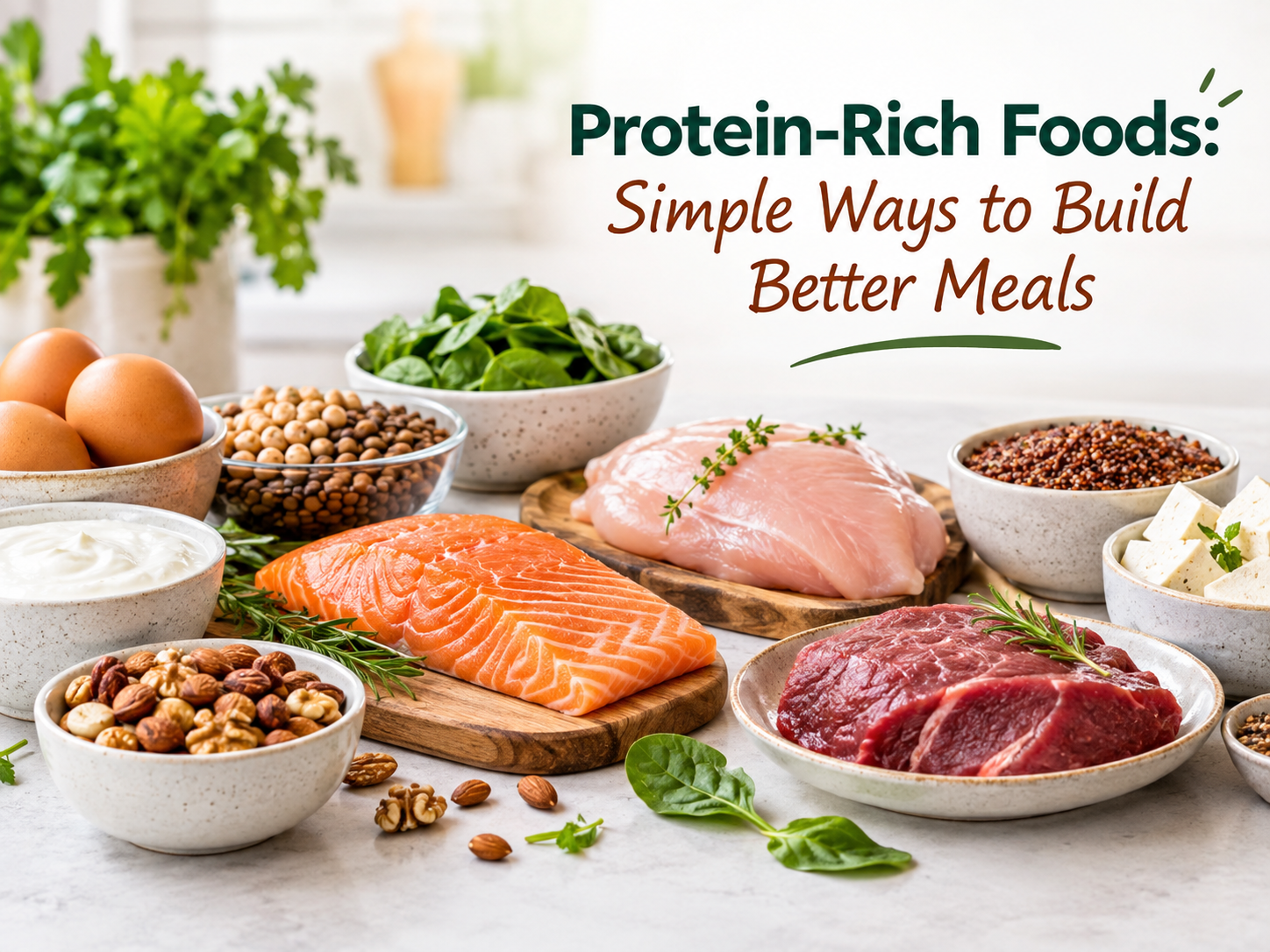
Getting enough protein does not have to mean eating the same chicken breast or protein shake every day. A balanced diet can include many different sources of protein, from eggs and fish to beans, lentils, dairy products, tofu, nuts, and seeds. Choosing a variety of options can make meals more satisfying while helping you meet your nutritional needs.
For people trying to improve their eating habits, understanding protein rich food choices is a useful first step. Protein plays an important role in maintaining muscle, supporting normal body functions, and helping you feel satisfied after meals. The key is to combine protein with vegetables, whole grains, healthy fats, and other nutrient-dense foods.
Why Is Protein Important in Your Diet?
Protein is made from amino acids that the body uses for many important processes. It helps maintain and repair tissues and contributes to the normal development and maintenance of muscles.
Protein can also make meals more filling. When combined with fiber-rich foods such as vegetables, fruits, beans, and whole grains, a protein-focused meal may help you stay satisfied between meals.
Your individual protein needs can vary depending on factors such as age, body size, activity level, and overall health. Someone who exercises regularly may have different needs from someone with a mostly sedentary lifestyle.
Rather than focusing on one food or a single number, it is often more practical to build balanced meals that include an appropriate source of protein.
Best Protein-Rich Foods to Add to Your Meals
There are plenty of protein sources to choose from, so you can create meals around your preferences and lifestyle.
Eggs
Eggs are a convenient source of high-quality protein and can be used in many different meals. Scrambled eggs with vegetables, boiled eggs with whole-grain toast, or an omelet with spinach can make a simple breakfast more satisfying.
Chicken and Lean Meat
Chicken and other lean meats can provide substantial protein without requiring complicated preparation. Grilled chicken can be paired with vegetables and brown rice for a balanced lunch or dinner.
Portion size and preparation method also matter. Grilling, baking, roasting, or air-frying can be useful alternatives to deep-frying.
Fish and Seafood
Fish can provide protein along with important nutrients. Options such as salmon, tuna, sardines, and other seafood can add variety to a weekly meal routine.
For a balanced plate, serve fish with vegetables and a source of whole-food carbohydrates such as potatoes, quinoa, or brown rice.
Greek Yogurt and Other Dairy Foods
Greek yogurt, cottage cheese, milk, and other dairy foods can contribute protein to breakfast, snacks, and meals. Greek yogurt can be combined with berries, oats, nuts, or seeds for a convenient snack.
If you avoid dairy, fortified plant-based alternatives may also be incorporated depending on your nutritional requirements.
Beans and Lentils
Plant-based proteins can be an affordable and versatile part of a balanced diet. Lentils, chickpeas, black beans, kidney beans, and other legumes can be added to soups, salads, curries, wraps, and grain bowls.
They also provide fiber, which makes them particularly useful for meals designed to support fullness and overall dietary quality.
Tofu and Other Soy Foods
Tofu, tempeh, and other soy-based foods can provide plant-based protein. They can absorb different flavors and work well in stir-fries, salads, wraps, and rice-based meals.
Nuts and Seeds
Almonds, peanuts, pumpkin seeds, chia seeds, and other nuts and seeds contain protein along with healthy fats and other nutrients. Because they can be energy-dense, sensible portions are important.
Adding a small amount to yogurt, oatmeal, salads, or smoothies can increase the nutritional value of a meal.
How to Build a Balanced Protein-Focused Plate
Eating more protein does not mean making protein the only part of your meal. A balanced plate should include several types of nutrients.
A simple approach is to combine:
- A protein source such as chicken, fish, eggs, tofu, beans, or lentils
- Plenty of vegetables for fiber and micronutrients
- A suitable carbohydrate source such as oats, potatoes, quinoa, or whole grains
- A moderate amount of healthy fat from foods such as avocado, nuts, seeds, or olive oil
This approach can make meals more balanced and easier to maintain over time.
For example, instead of eating grilled chicken alone, you could combine it with roasted vegetables, brown rice, and a small amount of olive oil-based dressing. The result is a more complete meal with protein, carbohydrates, fiber, and fats.
Protein-Rich Foods for Breakfast
Breakfast is an easy place to improve protein intake. Traditional choices such as sugary cereals or pastries may not keep you satisfied for long.
Try options such as:
- Eggs with whole-grain toast and vegetables
- Greek yogurt with berries and seeds
- Oatmeal topped with nuts and yogurt
- Cottage cheese with fruit
- A smoothie containing yogurt, milk, fruit, and suitable protein-rich ingredients
The best choice depends on your preferences, nutritional needs, and daily routine.
Protein and Weight Management
Protein is often discussed in relation to weight management because protein-containing meals can be satisfying. However, eating more protein alone does not automatically cause weight loss.
Overall calorie intake, food quality, physical activity, sleep, and consistency all contribute to weight management.
A practical approach is to replace highly processed, low-nutrient choices with balanced meals containing protein, vegetables, whole-food carbohydrates, and appropriate portions of healthy fats.
This is where healthy meal plans can be useful. A structured plan can make it easier to organize meals, control portions, include a variety of foods, and maintain consistent eating habits.
How to Include More Protein Without Making Meals Complicated
You do not need elaborate recipes to increase protein intake. Small changes can make everyday meals more balanced.
Add boiled eggs to breakfast, include beans in a salad, use Greek yogurt as a snack, add lentils to soup, or choose grilled chicken or fish for lunch and dinner.
Meal preparation can also help. Preparing a few protein sources in advance can make busy weekdays easier. Cooked chicken, boiled eggs, lentils, or baked fish can be combined with different vegetables and grains to create several meals without starting from scratch each day.
Common Mistakes to Avoid
One common mistake is focusing only on protein while ignoring the rest of the diet. A healthy eating pattern should provide a broad range of nutrients.
Another mistake is relying heavily on processed protein products while overlooking whole foods. Protein bars and shakes can be convenient, but they do not necessarily need to replace nutritious meals.
Portion sizes are also important. Foods such as nuts, cheese, and some meat products can contain significant calories, so balance remains important even when the food is nutritious.
Make Protein Part of a Sustainable Eating Routine
The goal is not to find one perfect food. A better strategy is to create meals that are nutritious, enjoyable, convenient, and realistic for your lifestyle.
Choose different protein sources throughout the week and combine them with vegetables, whole grains, fruits, and healthy fats. This variety can help prevent boredom and make healthy eating easier to maintain.
A thoughtful meal structure can also make it simpler to meet individual nutrition goals, whether the focus is supporting an active lifestyle, maintaining muscle, improving food quality, or managing body weight.
Final Thoughts
Adding a variety of protein-rich foods to your diet can be a simple way to make meals more satisfying and nutritionally balanced. Eggs, fish, lean meats, dairy foods, legumes, tofu, nuts, and seeds all offer useful options.
Instead of concentrating on a single ingredient, focus on the overall quality and balance of your meals. Combining an appropriate protein source with vegetables, fiber-rich carbohydrates, and healthy fats can create practical meals that fit everyday life.
With consistent choices and well-planned healthy meal plans, nutritious eating can become a sustainable habit rather than a short-term change.

 English
 Arabic
 French
 Spanish
 Portuguese
 Deutsch
 Turkish
 Dutch
Dutch
 Russian
 Romaian
 Portuguese (Brazil)
 Greek
Greek
