

How Physical Therapy Therapists Help You Move Better and Recover
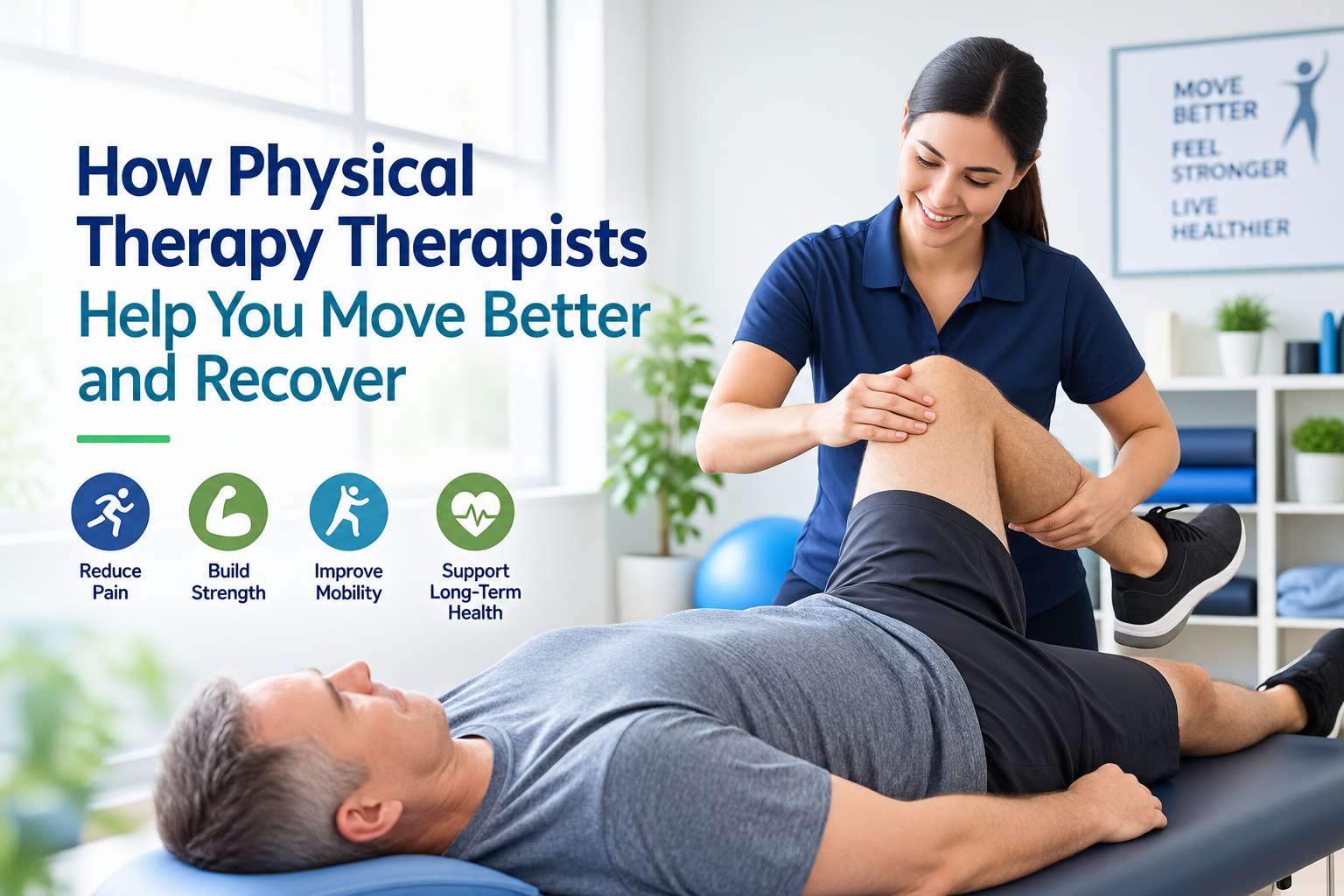
Pain, stiffness, weakness, or limited movement can make everyday activities surprisingly difficult. Simple tasks such as walking, climbing stairs, lifting an object, or getting out of a chair may become uncomfortable after an injury or medical condition. Physical therapy can help address these challenges by focusing on movement, strength, flexibility, balance, and functional ability.
Physical therapy therapists work with people who have different physical needs, from those recovering after surgery or an injury to individuals managing chronic pain or mobility problems. Their goal is not simply to treat a painful area but to understand how the problem affects movement and daily life. Physical therapists can evaluate movement, develop an individualized treatment plan, monitor progress, and adjust treatment as recovery develops.
What Do Physical Therapy Therapists Do?
Physical therapy therapists assess how the body moves and functions. During an evaluation, a therapist may consider muscle strength, joint movement, balance, posture, flexibility, coordination, walking ability, and pain.
Based on the evaluation, the therapist can develop a treatment approach that matches the person's condition and goals. Treatment may include therapeutic exercises, stretching, movement training, hands-on techniques, balance activities, and education about safe movement.
The specific approach depends on the underlying problem. Someone recovering from knee surgery may have different needs from someone dealing with chronic back pain or recovering from a stroke.
When Can Physical Therapy Be Helpful?
Physical therapy may be useful for a wide range of injuries and health conditions. Rehabilitation can help people regain abilities affected by injury, disease, surgery, or chronic conditions. Common reasons for rehabilitation include musculoskeletal injuries, chronic back and neck pain, stroke, major surgery, and mobility limitations.
Some situations where physical therapy may be considered include:
- Back or neck pain
- Joint stiffness
- Muscle weakness
- Sports injuries
- Balance difficulties
- Recovery after surgery
- Arthritis-related movement problems
- Sprains and strains
- Difficulty walking
- Reduced range of motion
- Recovery following certain neurological conditions
A healthcare professional can help determine whether physical therapy is appropriate for a particular condition.
How Physical Therapy Can Support Pain Management
Pain can sometimes lead people to avoid movement. Although resting may be appropriate during certain stages of an injury, prolonged inactivity can contribute to weakness and reduced mobility.
A physical therapist can help identify appropriate movements and exercises based on the person's condition. For example, people with acute back pain may benefit from guidance about when and how to begin stretching and strengthening activities because exercising too soon or incorrectly may aggravate symptoms.
Physical therapy may also incorporate techniques such as therapeutic exercise, heat or cold applications, massage, and other interventions depending on the individual's needs.
The objective is to help the person improve function while learning safer ways to move and manage physical limitations.
Improving Strength and Mobility
Weak muscles can make normal activities harder and may affect balance and movement. A structured rehabilitation program can gradually improve strength while helping a person regain functional abilities.
For people with joint conditions, appropriate physical activity can help maintain muscle strength and range of motion. Physical therapy may also help address balance and mobility concerns.
Exercises are generally selected according to the person's current abilities rather than using the same routine for everyone. Progress can then be monitored and exercises adjusted as strength and movement improve.
Physical Therapy After an Injury or Surgery
Recovering from an injury or surgery can involve more than waiting for pain to disappear. A person may also need to rebuild strength, restore joint movement, improve balance, and safely return to normal activities.
Physical therapy therapists can provide progressive rehabilitation that changes as the person recovers. Early treatment may focus on protecting the affected area and restoring basic movement, while later stages may emphasize strength, coordination, endurance, and functional activities.
Following professional guidance is especially important because performing certain exercises too aggressively can sometimes delay recovery.
Physical Therapy and Everyday Independence
The benefits of rehabilitation are not limited to exercise sessions. A major purpose of rehabilitation is helping people regain the abilities they need for everyday life and independence.
For example, someone recovering from a neurological condition may need help improving walking, balance, transfers, or the ability to use mobility equipment. Physical therapists can also teach people how to use devices such as canes, walkers, or crutches when appropriate.
This practical focus can make therapy more meaningful because the goal is connected to activities that matter in daily life.
What Should You Expect During a Therapy Program?
A physical therapy program usually begins with an assessment of the person's symptoms, movement, limitations, and goals. The therapist then creates a treatment plan based on the findings.
Progress may be evaluated throughout treatment. If an exercise becomes too easy, too difficult, or no longer matches the person's needs, the therapist can modify the program.
Communication is important throughout the process. Patients should tell their therapist about changes in pain, new symptoms, difficulty completing exercises, or concerns about their progress.
When Should You Seek Professional Advice?
Persistent pain, increasing weakness, significant movement limitations, or difficulty performing normal activities may be reasons to discuss symptoms with a healthcare professional.
Some symptoms require medical evaluation before starting an exercise program. Severe unexplained joint pain, significant swelling, fever associated with joint symptoms, or other concerning changes should be discussed with a healthcare provider rather than treated independently.
Physical therapy can also work alongside other areas of healthcare. Depending on the person's needs, rehabilitation may involve physicians, physical therapists, occupational therapists, and other healthcare professionals.
Choosing the Right Approach to Recovery
There is no single physical therapy routine that works for everyone. Effective rehabilitation depends on the person's condition, physical abilities, symptoms, goals, and response to treatment.
If you're researching rehabilitation options alongside Alfredg Jonas MD, it is important to understand that physical therapy primarily addresses movement and physical function, while other healthcare professionals may address different aspects of a person's overall health. Coordinated care can be useful when multiple health needs are present.
The most useful treatment plan is one that addresses the underlying functional problem, provides appropriate progression, and helps the individual safely return to meaningful daily activities.
Final Thoughts
Physical therapy therapists can play an important role in helping people recover movement, build strength, manage physical limitations, and improve independence. Whether someone is recovering from an injury, dealing with joint stiffness, managing chronic pain, or rebuilding function after surgery, rehabilitation can provide structured support.
Rather than relying on generic exercises found online, people with persistent or significant physical problems should seek an appropriate professional assessment. A personalized plan can help identify suitable exercises, track progress, and reduce the risk of doing too much too soon.

 English
 Arabic
 French
 Spanish
 Portuguese
 Deutsch
 Turkish
 Italiano
 Russian
 Romaian
 Portuguese (Brazil)
 Greek
Greek
