

Cross Compression T-Shirt: Fit, Benefits and Buying Guide
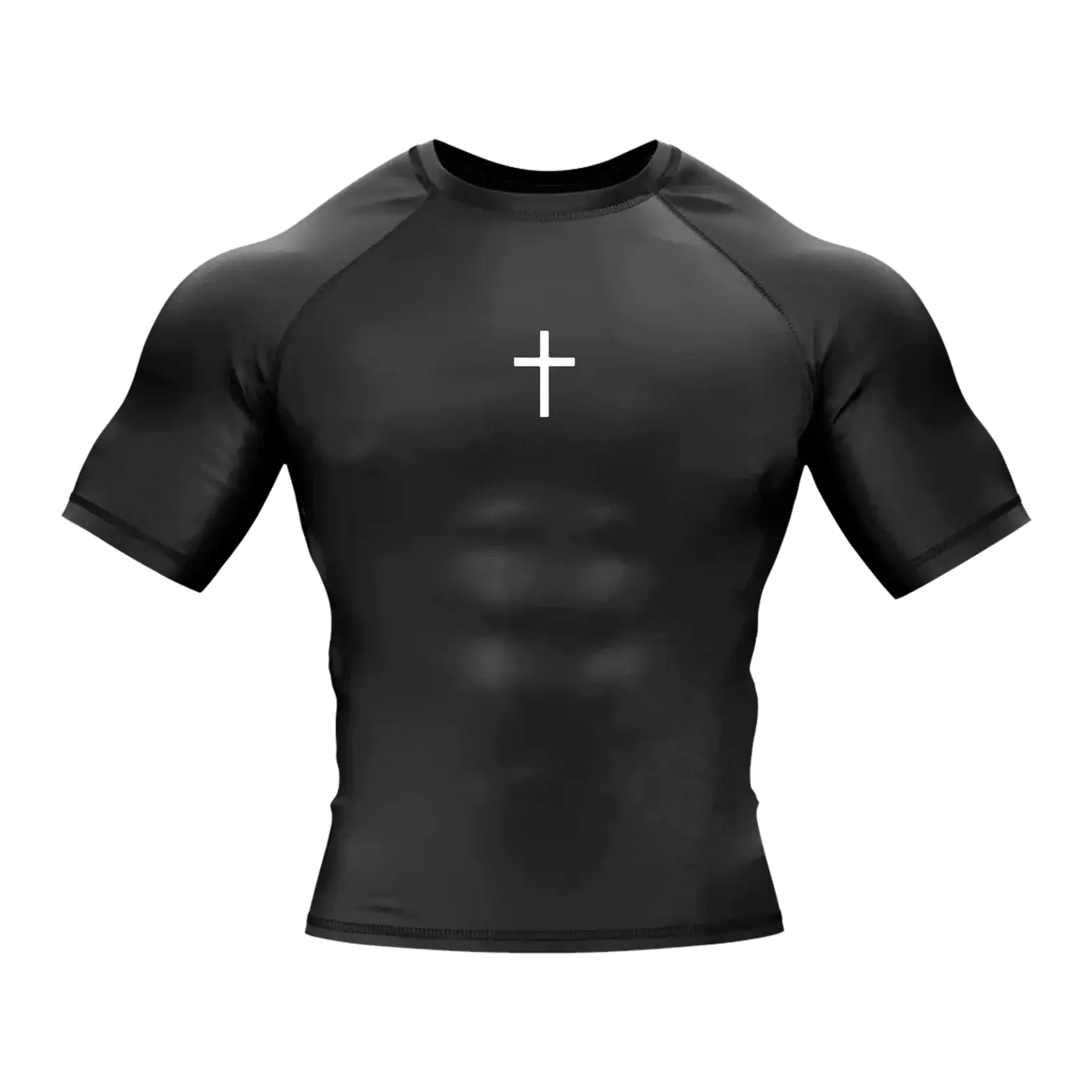
A Cross compression t-shirt is a close-fitting athletic shirt designed to provide controlled pressure around the torso while allowing comfortable movement. It is commonly associated with training, running, gym workouts, and other active pursuits. The fabric is usually elastic enough to stretch with the body while returning to its original shape after movement.
A Cross compression t-shirt can serve several purposes beyond basic sportswear. Its close fit can reduce loose fabric during exercise, help manage moisture when made from suitable performance materials, and provide a streamlined layer beneath other clothing. However, compression levels, materials, construction, and fit vary significantly between products, so choosing the right shirt requires more than simply selecting a familiar size.
What Is a Compression T-Shirt?
A compression t-shirt is an athletic garment designed to fit more closely than a conventional training shirt. Instead of hanging loosely from the body, it uses stretch fabric to maintain contact with the torso.
The amount of pressure depends on the garment's construction and fabric composition. Some shirts provide relatively light compression for general exercise, while others have a noticeably tighter fit intended for specific athletic applications.
Compression clothing should feel supportive without causing pain, numbness, restricted breathing, or significant discomfort. A shirt that is excessively tight is not necessarily more effective.
Materials Used in Compression Shirts
Polyester
Polyester is widely used in performance clothing because it is durable, lightweight, and generally dries faster than cotton. It can be combined with elastic fibers to produce the stretch required for a close-fitting shirt.
Elastane and Spandex
Elastane, also commonly called spandex, provides substantial stretch and helps the garment recover its shape. A small percentage can significantly change how a shirt fits and moves.
The balance between polyester and elastane affects stretch, recovery, softness, and overall compression.
Nylon
Nylon can provide a smooth feel and good durability. It is sometimes included in compression garments where stretch and a comfortable surface are important.
Why Cotton Is Less Common
Cotton is comfortable and breathable in many everyday situations, but it absorbs moisture and can remain wet for longer. Performance compression shirts therefore commonly rely on synthetic or blended fabrics, particularly for high-intensity exercise.
How a Cross Compression T-Shirt Should Fit
Fit is one of the most important factors when purchasing compression clothing.
The shirt should sit close to the body without creating painful pressure. The shoulders should allow normal movement, while the sleeves should remain in position during exercise.
The torso should also remain covered when you bend, stretch, raise your arms, or perform exercises such as squats and overhead presses.
Avoid choosing a size simply because you normally wear it in other shirts. Compression garments are designed differently, so always review the manufacturer's measurements and sizing recommendations.
Key Features to Look For
Moisture Management
During exercise, sweat can accumulate quickly. Fabrics designed to move moisture away from the skin may help the shirt feel more comfortable during extended activity.
This does not mean every synthetic shirt has identical moisture-management performance. Check the manufacturer's fabric specifications when this feature matters.
Flat Seams
Flat or carefully constructed seams can reduce friction between the fabric and skin. This is especially useful during repetitive activities such as running or cycling.
Poorly positioned seams can become irritating after extended use.
Stretch and Recovery
A quality compression shirt should stretch during movement and recover its shape afterward. If the fabric becomes loose after repeated wear, the garment may no longer provide the same fit.
Breathable Panels
Some performance shirts use different fabrics or mesh sections in areas where heat and sweat commonly accumulate. These panels can improve ventilation without reducing the garment's overall structure.
Length
A suitable shirt should remain in place while you move. If the torso repeatedly rides upward, the garment may be too short, too loose, or poorly matched to your body shape.
Potential Benefits of Compression Clothing
Reduced Fabric Movement
Because compression shirts sit close to the skin, there is less loose fabric to interfere with exercise. This can be particularly useful during weight training, running, cycling, and team sports.
Supportive Feel
Many athletes prefer the firm sensation provided by compression clothing. It can create a secure feeling around the torso and may make movement feel more controlled.
The subjective benefit varies between individuals, so comfort should remain a major consideration.
Moisture Control
When made with suitable technical fabrics, compression shirts can help manage sweat and dry more quickly than many traditional cotton shirts.
Easy Layering
A compression shirt can be worn underneath a jersey, jacket, or training top without creating as much bulk as a loose T-shirt.
Temperature Management
The effect depends heavily on the fabric and environment. Lightweight materials can work well in warm conditions, while thicker versions may provide an additional layer during cooler training.
Compression T-Shirt for Different Activities
Gym Training
A close-fitting shirt can make it easier to move without loose fabric getting caught on equipment. It can also make it easier to observe body positioning during certain exercises.
Running
For runners, reducing fabric movement can improve comfort over longer distances. Moisture management and seam placement are particularly important because repetitive movement can cause irritation.
Cycling
Compression tops can work effectively as base layers beneath cycling clothing. A close fit reduces excess fabric and can make layering easier.
Team Sports
Players may use compression tops underneath uniforms. They can provide a consistent base layer while reducing loose clothing around the torso and arms.
Common Challenges and Considerations
Too Much Tightness
Compression should not create significant discomfort. Excessive tightness may make movement or breathing uncomfortable.
If you experience numbness, tingling, unusual pain, or significant restriction, remove the garment and reassess the fit.
Heat
A tight synthetic garment may feel warm depending on its fabric and ventilation. This is particularly relevant during outdoor exercise in hot or humid weather.
Look for lightweight construction and breathable panels when training in warm environments.
Sizing Problems
A compression shirt that is too large may not provide the intended close fit. One that is too small can become uncomfortable and restrict movement.
Use actual body measurements rather than assuming your usual T-shirt size will work.
Transparency
Some highly stretched fabrics can become more transparent than expected. Check the fabric density and product images before purchasing, especially if the shirt is intended to be worn as a standalone top.
Washing and Durability
Performance fabrics generally benefit from following the manufacturer's care instructions. Excessive heat can affect elastic fibers over time.
Avoid treating the garment as ordinary casual cotton clothing if its care label specifies different washing or drying conditions.
How to Choose the Right Cross Compression T-Shirt
Start with the activity you plan to perform. A shirt for casual gym training may have different requirements from one used for long-distance running.
Next, check fabric composition. Look for enough stretch to allow unrestricted movement and a construction appropriate for the climate.
Pay attention to seams, sleeve length, torso length, neckline, and ventilation. If you purchase online, compare your measurements with the seller's size chart.
Reviews can also provide useful information about whether the garment runs small, retains its shape, handles sweat well, or develops problems after repeated washing.
Practical Buying Checklist
Before purchasing a Cross compression t-shirt, consider:
-
Fit: It should be close without painful pressure.
-
Fabric: Look for suitable stretch and moisture management.
-
Seams: Flat or smooth seams can reduce friction.
-
Length: The shirt should remain in place during movement.
-
Breathability: Important for warm-weather training.
-
Care: Check washing and drying instructions.
-
Purpose: Choose construction based on your primary activity.
Frequently Asked Questions
1. What is a Cross compression t-shirt?
It is a close-fitting athletic shirt designed to provide a controlled, supportive fit around the torso. The exact design and compression level depend on the manufacturer.
2. Should a compression shirt feel very tight?
It should fit firmly but should not cause pain, numbness, restricted breathing, or significant discomfort. Excessive tightness is a sign that the size or design may not be suitable.
3. Can I wear a compression t-shirt for everyday use?
Yes. Many people wear lightweight compression tops as base layers or casual athletic clothing. However, choose a fabric and compression level that remain comfortable for extended wear.
4. Is a compression shirt better than a regular T-shirt for exercise?
It depends on personal preference and the activity. Compression shirts reduce loose fabric and may provide useful moisture management, while regular T-shirts can offer a looser and more relaxed fit.
5. How should I wash a compression t-shirt?
Follow the garment's care label. In general, performance garments should be washed according to their manufacturer's instructions, with excessive heat avoided when it may damage elastic fibers.
Conclusion
A Cross compression t-shirt can be a practical choice for people who want a close-fitting athletic layer that supports unrestricted movement and reduces loose fabric during exercise. Its effectiveness as sportswear depends largely on material quality, fit, stretch, seam construction, ventilation, and intended use.
The most important factor is choosing the correct fit. Compression should feel secure rather than painful, and the shirt should allow normal movement throughout the activity. Buyers should also consider climate, moisture management, durability, and care requirements before making a purchase.
Whether used for gym training, running, cycling, team sports, or layering, a well-designed compression t-shirt can provide a comfortable alternative to conventional loose-fitting athletic shirts.

 English
 Arabic
 French
 Spanish
 Portuguese
 Deutsch
 Turkish
 Dutch
Dutch
 Russian
 Romaian
 Portuguese (Brazil)
 Greek
Greek
