

How to Waterproof Your Shoes Before Winter Hits
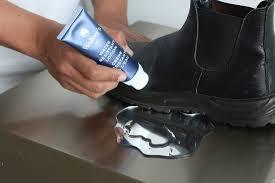
Every Canadian winter, the same thing happens: the first real snowfall arrives, and thousands of people find out — too late — that their shoes were never actually waterproof to begin with. Salt stains creep up the sides of boots, leather stiffens and discolours, and suede develops watermarks that never fully disappear.
None of this is inevitable. It's almost entirely preventable with five minutes of preparation before the weather turns, not damage control after it already has.
Why "Water-Resistant" Shoes Still Get Ruined
Many shoes and boots are marketed as weather-ready straight from the factory, but that resistance fades with normal wear and washing far faster than most people expect. Add road salt into the mix — which is more corrosive and harder on materials than plain water or snow — and even genuinely weatherproof footwear needs reinforcement to survive a full Canadian winter.
The damage isn't just cosmetic. Salt draws moisture out of leather, leaving it dry, stiff, and prone to cracking long after the stains themselves have been cleaned off.
Building a Proper Waterproofing Routine
Start with clean, dry shoes. A protective spray applied over dirt or old salt residue won't bond properly to the material, so cleaning always comes first.
Apply an even, light coat rather than one heavy application. Two thin coats, allowed to dry between applications, protect more evenly than a single saturated spray.
Don't skip seams and stitching. Water finds its way in through stitched seams and the joint between sole and upper long before it penetrates the leather or suede itself — these areas need just as much attention as the main panels.
Reapply throughout the season, not just once. Protective coatings wear down with exposure to snow, salt, and repeated cleaning. A single application in November won't still be effective by February.
A quality water repellent spray creates an invisible barrier that repels moisture, dirt, and salt without altering the look or texture of the shoe — the goal is protection that's invisible until you actually need it.
What to Do When Salt Stains Already Happened
If salt stains have already set in, they can usually still be treated:
● Mix equal parts water and white vinegar, and gently dab (never soak) the stained area with a soft cloth.
● Let the shoe dry naturally, away from direct heat.
● Once fully dry, condition leather or brush suede to restore texture, then apply a fresh protective coat to prevent recurrence.
A water-based protection spray formulated for leather, suede, and nubuck is worth applying immediately after this kind of repair, since previously stained material is often more porous and vulnerable than it was originally.
The Cost of Skipping This Step
A bottle of protective spray costs a fraction of what it takes to replace a pair of boots damaged by a single bad winter. For anyone in a climate where snow, slush, and road salt are a five-month reality, waterproofing isn't an optional extra — it's basic maintenance, the same as changing winter tires.
Final Thought
The shoes that survive a Canadian winter looking the same as they did in November aren't made from some special miracle material — they were simply protected before the first snowfall, not after the first stain. Explore the full water repellent and protection spray range and give your footwear a real chance against the season ahead.
About the author: This article is contributed by Walter's Shoe Care, a Canadian, family-run shoe care company founded in Montreal in 1893, making premium leather, suede, and sneaker care products, insoles, and weatherproofing sprays.

 English
 Arabic
 French
 Portuguese
 Deutsch
 Turkish
 Dutch
Dutch
 Italiano
 Russian
 Romaian
 Portuguese (Brazil)
 Greek
Greek
