

Understanding Robotic Systems for Hazardous UK Environments
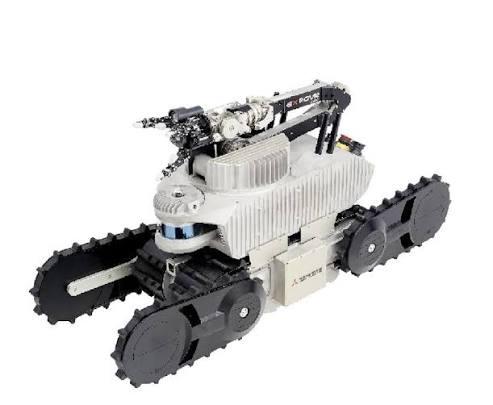
An ATEX Robot is a robotic system designed for use in environments where explosive atmospheres may be present. In the UK, industries handling flammable gases, vapours, liquids, or combustible dust may require equipment designed around appropriate explosion-protection principles. ATEX-related requirements help organisations assess equipment according to the risks associated with potentially explosive atmospheres. An ATEX Robot can be relevant in industrial settings where automated inspection, handling, monitoring, or other robotic operations need to take place in hazardous areas. Its design may include measures intended to limit ignition risks from electrical components, mechanical movement, heat, or static electricity. The selection of an ATEX Robot depends on factors such as the hazardous-area classification, substance involved, temperature requirements, and operating conditions. Understanding these factors helps industrial operators determine whether a robotic system is suitable for a particular workplace. Proper assessment, installation, maintenance, and operation remain important parts of using robotic equipment in potentially explosive environments.
Introduction to ATEX Robots
An ATEX Robot refers to a robotic system intended for applications where potentially explosive atmospheres can occur. The term ATEX is associated with European requirements concerning equipment and protective systems used in explosive atmospheres. In the UK, businesses working with hazardous substances need to consider applicable workplace and equipment requirements when selecting machinery for these environments.
Robots used in hazardous locations may perform tasks such as inspection, material handling, monitoring, or repetitive industrial operations. Their suitability depends on the environment in which they will operate and the protection measures incorporated into their design.
Why Hazardous Environments Require Specialised Robots
Certain industrial workplaces can contain flammable gases, vapours, mists, or combustible dust. When these substances mix with air under suitable conditions, an explosive atmosphere can develop. A source of ignition, such as an electrical spark or excessive surface temperature, can create a serious safety risk.
Conventional industrial robots may not be suitable for these conditions because their electrical and mechanical components can potentially create ignition sources. An ATEX Robot is developed with hazardous-area considerations in mind, helping organisations assess whether robotic equipment can operate safely within a specified environment.
Common UK Industrial Applications
ATEX Robots may be considered in several industrial sectors where explosive atmospheres are possible. Examples include chemical processing, pharmaceutical manufacturing, oil and gas operations, fuel storage, paint production, food processing, and facilities handling combustible powders.
Depending on the application, a robot may be used for inspection, transportation, sampling, monitoring, or controlled manipulation of materials. In some environments, robotic systems can also reduce the need for personnel to enter areas where hazardous substances may be present.
The exact application determines the technical requirements. A robot suitable for one hazardous environment may not automatically be appropriate for another because the type and concentration of hazardous material can differ.
Hazardous Area Classification
Area classification is an important consideration when selecting an ATEX Robot. Hazardous locations are categorised according to the likelihood and duration of an explosive atmosphere being present.
For gases, vapours, and mists, zones can include Zone 0, Zone 1, and Zone 2. For combustible dust, zones include Zone 20, Zone 21, and Zone 22. The classification helps determine the level of protection required from equipment operating in the area.
A robotic system therefore needs to correspond with the conditions of the specific workplace. Operators and safety professionals generally need to understand the area's classification before equipment is selected or installed.
Important Design Considerations
An ATEX Robot may incorporate various design features intended to reduce ignition risks. Electrical components, motors, sensors, connectors, and other parts may require suitable protection depending on the intended hazardous area.
Temperature is another important consideration. Equipment surfaces must be evaluated so that operating temperatures do not create an unacceptable ignition risk for the substances present.
Mechanical components also require attention. Movement, friction, impact, and static electricity can potentially become sources of ignition in certain circumstances. The complete robotic system therefore needs to be assessed rather than considering only the robot's main body.
Role of Certification and Compliance
Certification and conformity assessment are important when equipment is intended for potentially explosive atmospheres. Documentation can provide information about the equipment's intended application, protection characteristics, and applicable limitations.
For UK workplaces, organisations should consider the regulatory requirements that apply to the equipment and workplace. The relevant requirements can depend on the equipment type, hazardous environment, and intended use.
Technical documentation should be reviewed carefully before an ATEX Robot is introduced into a hazardous area. Installation and commissioning should also follow the manufacturer's specified conditions and applicable workplace procedures.
Maintenance and Inspection
Regular maintenance is an important part of operating robotic equipment in hazardous environments. Protective features can be affected by wear, contamination, physical damage, or modifications over time.
Inspection routines may include checking electrical connections, protective enclosures, cables, sensors, moving parts, and other components relevant to the robot's protection concept. Maintenance personnel should follow appropriate procedures and ensure that replacement components do not compromise the equipment's protection characteristics.
Unauthorised modifications can also create safety concerns. Changes to the robotic system should therefore be assessed before implementation.
Factors to Consider When Selecting an ATEX Robot
Several factors can influence the selection of an ATEX Robot. These include the hazardous-area zone, type of explosive substance, temperature class requirements, environmental conditions, required payload, movement range, operating speed, and intended task.
The robot's enclosure and protection method should correspond with the environment in which it will operate. Other factors, such as dust accumulation, humidity, cleaning procedures, and chemical exposure, may also affect equipment suitability.
A detailed risk assessment can help identify the technical requirements before a robotic system is introduced.
Conclusion
An ATEX Robot is designed for robotic operations in environments where potentially explosive atmospheres may occur. In the UK, its application requires careful consideration of hazardous-area classification, equipment protection, operating conditions, certification, installation, and maintenance.
Such robotic systems may be used for inspection, handling, monitoring, and other industrial tasks where hazardous substances are present. Their suitability depends on the specific environment and operational requirements rather than simply the robot's general capabilities. Careful assessment of the workplace and equipment documentation helps ensure that an ATEX Robot is used within its intended conditions and applicable safety requirements.

 English
 Arabic
 French
 Spanish
 Portuguese
 Deutsch
 Turkish
 Dutch
Dutch
 Italiano
 Romaian
 Portuguese (Brazil)
 Greek
Greek
