

How HydraFacial Treatment in Dubai Helps Dehydrated Facial Skin
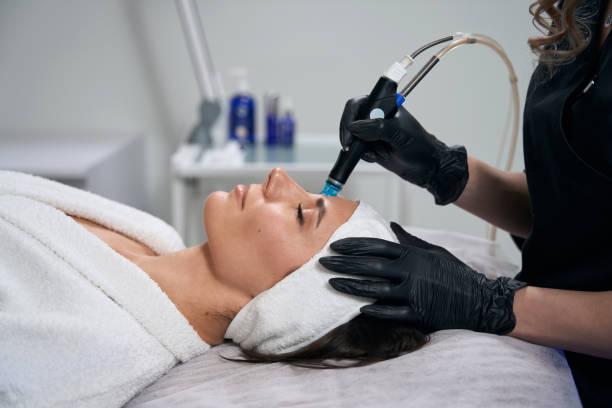
Dehydrated facial skin can look dull, feel tight and make fine surface lines more visible. HydraFacial Treatment in Dubai can support a more hydrated appearance by combining controlled exfoliation with topical hydration, while the treatment plan can be adjusted according to the skin's sensitivity and condition.
It is important to distinguish dehydration from naturally dry skin. Dehydration describes a lack of water in the skin, while dry skin is more closely associated with reduced oil production. A person can therefore have oily, combination or dry skin and still experience dehydration.
What Dehydrated Skin Looks Like
Dehydration can affect how the surface of the face feels and reflects light.
Tightness After Cleansing
Some patients notice that their face feels tight shortly after washing, particularly when using a cleanser that removes too much surface oil.
Fine Surface Lines
When the outer layer of the skin is poorly hydrated, fine lines can appear more noticeable.
Hydration does not permanently remove wrinkles, but increasing water content in the outer skin can temporarily make the surface appear smoother.
Dull Appearance
Dehydrated skin can lose some of its fresh, reflective appearance and may look tired even when there is no major pigmentation problem.
Uneven Surface Texture
Dry, accumulated surface cells can contribute to roughness. This is one reason controlled exfoliation may be included in a hydration-focused treatment.
Dehydration and Dry Skin Are Not Identical
This distinction matters when planning treatment.
Dry Skin
Dry skin generally has less oil available at the surface. It may feel rough, flaky or tight and may benefit from moisturization that supports the skin barrier.
Dehydrated Skin
Dehydrated skin has reduced water content. It can occur temporarily due to environmental conditions, skincare habits, travel or other factors.
Why the Difference Matters
An oily person can still have dehydrated skin. If oiliness is treated with harsh cleansing while hydration is ignored, the skin may become uncomfortable without solving the underlying issue.
The AAD recommends gentle cleansing and moisturizer even for oily skin, emphasizing the importance of maintaining moisture rather than simply stripping oil.
How HydraFacial Treatment in Dubai Supports Hydration
HydraFacial is structured around several treatment stages, including cleansing, exfoliation, extraction and hydration. The manufacturer also describes customizable boosters designed around different skin concerns.
Removing Surface Buildup
A layer of accumulated dead skin cells can make the complexion feel rough and interfere with the smooth appearance of the skin.
Controlled exfoliation removes some of this superficial buildup.
The AAD notes that exfoliation removes dead cells from the outer layer of skin but emphasizes that the method must be matched to the patient's skin type.
Delivering Surface Hydration
Following exfoliation, hydration-focused solutions can be incorporated into the treatment.
HydraFacial's system is specifically designed to combine exfoliation and hydration rather than treating them as completely separate steps.
Supporting a Smoother Surface
When hydration and surface smoothness improve together, the complexion may look more even and refreshed.
The effect is primarily cosmetic and surface-focused rather than a permanent alteration of the skin's underlying structure.
Common Reasons Facial Skin Becomes Dehydrated
A treatment plan is more useful when it also considers why dehydration is occurring.
Air-Conditioned Environments
Spending long periods in air-conditioned environments can contribute to a dry-feeling complexion, particularly when the skin barrier is already compromised.
Frequent Travel
Long flights and changes in environment can make some patients notice increased tightness or dullness.
Over-Exfoliation
Using too many exfoliating products can damage the skin barrier and increase irritation.
The AAD warns that excessive exfoliation can leave skin red and irritated and recommends adjusting exfoliation according to skin type.
Harsh Cleansing
Very aggressive cleansing can remove surface lipids that help maintain skin comfort.
The AAD recommends gentle cleansing rather than scrubbing, particularly for oily or sensitive skin.
Sun Exposure
Sun exposure can contribute to skin damage and dryness. Daily broad-spectrum sun protection is therefore an important part of maintaining skin quality.
Choosing the Right Treatment Intensity
Dehydrated skin does not automatically need stronger exfoliation.
When a Gentle Approach Makes Sense
If the complexion feels tight, sensitive or irritated, a gentler treatment may be more appropriate.
HydraFacial provides treatment options intended for different skin conditions, including a gentler HydroPeel option for first-time, dry or sensitive skin.
When Surface Buildup Is More Prominent
If dehydration is accompanied by rough surface texture, the provider may incorporate controlled exfoliation while maintaining a hydration-focused approach.
When Irritation Is Present
If the skin is actively inflamed, sunburned or damaged, treatment may need to be postponed.
The AAD advises against exfoliating sunburned skin or skin with open cuts or wounds.
Dehydrated Skin Can Still Be Oily
One of the most important concepts for patients is that shine does not always mean adequate hydration.
Oily but Tight
A person can have visible oil across the forehead and nose while experiencing tightness around the cheeks or mouth.
This combination requires balance rather than stronger oil removal.
Why Stripping the Skin Can Backfire
The AAD advises people with oily skin to avoid harsh cleansing and notes that moisturizer remains important even when the skin produces excess oil.
This supports a treatment philosophy focused on improving skin balance rather than eliminating surface oil.
Hydration and Fine Lines
Hydration can change how fine lines look without treating the deeper causes of wrinkles.
Temporary Surface Smoothing
Moisturization can trap water in the skin and make some fine lines appear less noticeable.
No Permanent Wrinkle Removal
A hydration facial does not rebuild collagen or permanently erase established wrinkles.
Patients with deeper ageing concerns may require other treatment options after a proper assessment.
Skin Quality Still Matters
Even when a patient is not seeking an anti-ageing procedure, maintaining hydration can improve comfort, softness and overall surface appearance.
Creating a Hydration-Focused Treatment Plan
A professional assessment can help determine what the skin actually needs.
Review Current Skincare
The provider should know whether the patient is using:
- Retinoids
- Retinol
- Exfoliating acids
- Benzoyl peroxide
- Prescription acne products
- Other active skincare
These products can increase sensitivity and may influence how exfoliation should be approached.
Identify the Main Cause of Dryness
If dehydration is repeatedly returning, the long-term solution may involve changing the home routine rather than simply increasing facial frequency.
Select Appropriate Hydration Support
HydraFacial offers customizable boosters aimed at different concerns, including hydration and visible signs of ageing.
The provider should select additions according to the patient's skin rather than automatically combining every available option.
Home Care After Treatment
Maintaining hydration between professional treatments is essential.
Use a Gentle Cleanser
Avoid unnecessarily harsh cleansing that leaves the face tight immediately afterward.
Apply Moisturizer
The AAD recommends moisturizer as part of basic skincare and notes that moisturizing can help reduce the appearance of some fine lines by trapping water in the skin.
Protect Against UV Exposure
Use a broad-spectrum sunscreen with SPF 30 or higher. The AAD recommends daily sun protection as part of maintaining healthy skin and reducing cumulative UV damage.
Do Not Immediately Overload the Skin
Adding several strong exfoliating products after a professional exfoliation treatment may increase irritation.
A simpler routine is often more appropriate immediately after treatment.
When Dehydration Requires More Than a Facial
Persistent dryness, cracking, burning, significant redness or ongoing irritation should not automatically be treated as a cosmetic hydration issue.
The AAD advises seeking professional evaluation when dry or irritated skin remains persistent or becomes painful, cracked or inflamed.
A facial can improve surface appearance, but it cannot diagnose or treat every underlying skin condition.
A Balanced Strategy for Dehydrated Skin
The goal of hydration-focused skincare is not simply to make the face feel wet immediately after a treatment. It is to improve surface comfort while protecting the skin barrier over time.
HydraFacial Treatment in Dubai can support this process through controlled exfoliation and hydration, particularly when dehydration is accompanied by dullness or rough surface texture. The results should be viewed as part of an ongoing skincare strategy rather than a permanent correction.
To discuss your skin concerns, explore HydraFacial Treatment in Dubai at Tajmeels Clinic.
Explore additional skin and aesthetic services at Tajmeels Clinic.

 English
 Arabic
 French
 Spanish
 Deutsch
 Turkish
 Dutch
Dutch
 Italiano
 Russian
 Romaian
 Portuguese (Brazil)
 Greek
Greek
