
Alopecia Areata Treatment and Important Factors Behind Hair Regrowth
Hair regrowth after alopecia areata can vary considerably, making it important to understand the factors that may influence how affected areas recover. Alopecia Areata Treatment in Riyadh focuses on managing the autoimmune activity responsible for hair loss while considering the individual's symptoms, disease pattern, and overall health. Recognizing the factors behind regrowth can help people develop realistic expectations and understand why professional evaluation matters.
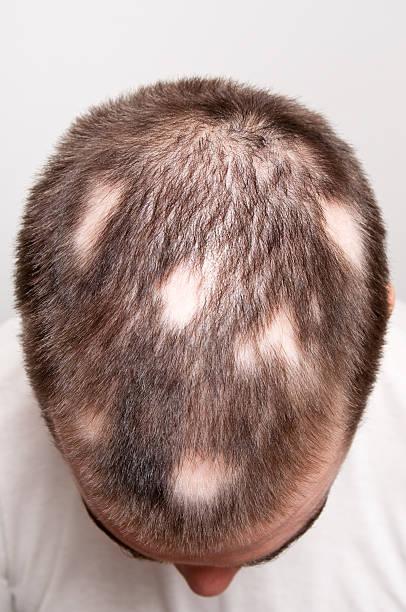
Alopecia areata develops when the immune system mistakenly targets hair follicles, resulting in sudden or progressive hair loss. Understanding Alopecia Areata Treatment in Riyadh can help individuals explore appropriate medical approaches while learning how the extent and duration of hair loss may influence recovery. Some people experience a few localized patches, whereas others may develop more extensive scalp, facial, or body hair loss.
Understanding How Hair Regrowth Occurs
Hair Follicles Can Remain Intact
Alopecia areata is generally a non-scarring form of hair loss, meaning affected follicles are not necessarily permanently destroyed. When immune activity decreases, follicles may resume producing hair. This helps explain why regrowth can occur even after noticeable hair loss.
Regrowth Can Be Gradual
Hair does not always return immediately after the condition becomes stable. New growth may first appear as short, fine, or lightly pigmented hairs. With time, these hairs may become thicker and more closely resemble the surrounding hair.
Key Factors That May Affect Regrowth
Extent of Hair Loss
The amount of hair affected can influence the overall management approach. A few small patches may behave differently from extensive scalp or body hair loss. The distribution and number of affected areas are therefore important considerations during assessment.
Duration of Hair Loss
How long an area has remained without visible hair can also be relevant when evaluating the condition. Persistent hair loss or continuously expanding patches may require closer monitoring and medical management.
Disease Activity
Alopecia areata can fluctuate between periods of hair loss and regrowth. New patches appearing while other areas are recovering may indicate ongoing disease activity. Tracking these changes can help clinicians determine whether treatment needs to be adjusted.
Medical Treatments That May Support Regrowth
Topical Corticosteroids
For some people with limited patchy hair loss, topical corticosteroids may be considered. These medications can help reduce immune-related inflammation around affected follicles when used appropriately under professional guidance.
Intralesional Treatments
Corticosteroid injections directly into affected areas may be an option for selected localized patches. The treatment approach depends on factors such as the location of hair loss, age, and individual response.
Systemic and Targeted Therapies
More extensive or persistent alopecia areata may require systemic treatment. Depending on the individual's circumstances, clinicians may consider targeted therapies such as JAK inhibitors. These medications require appropriate assessment and monitoring because their potential benefits and risks differ between patients.
The Role of Individual Health
Medical History
Existing health conditions, medications, allergies, and previous treatments can influence which treatment options are appropriate. Providing a complete medical history allows a professional to consider potential interactions and contraindications.
Nutritional Status
Adequate nutrition supports normal hair growth, although diet alone does not treat the autoimmune cause of alopecia areata. If a nutritional deficiency is suspected, appropriate testing can determine whether correction is needed.
Hair Care During Regrowth
Avoid Excessive Tension
Tight hairstyles and repeated pulling can cause additional mechanical stress on fragile hair. Gentle styling can help protect existing and newly growing strands from unnecessary breakage.
Minimize Harsh Styling
Frequent high-heat treatments, bleaching, and aggressive chemical procedures may damage the hair shaft. Reducing these practices can support the appearance and condition of growing hair.
Protecting the Scalp During Hair Loss
Sun Protection
Areas with reduced hair coverage may receive more direct sunlight. Wearing appropriate head protection and protecting exposed scalp skin can help reduce sunburn and irritation.
Maintain Scalp Comfort
Gentle cleansing and avoiding products that cause irritation can help maintain a comfortable scalp environment. Persistent redness, scaling, pain, or other unusual symptoms should be professionally assessed.
Monitoring Hair Regrowth
Regular observation can help identify whether affected areas are beginning to recover or whether new patches are appearing. Taking occasional photographs under similar conditions can make gradual changes easier to compare.
Professional follow-up remains important because visible changes alone may not accurately indicate disease activity. Alopecia Areata Treatment in Riyadh can be reviewed and adjusted according to the individual's progress, treatment response, and development of new hair loss.
Understanding Recurrence
Hair regrowth does not necessarily mean alopecia areata has permanently resolved. Some individuals experience new episodes after periods of improvement. Being aware of early signs, such as newly developing smooth patches or changes in hair density, can encourage timely assessment.
Why Personalized Management Matters
There is no universal timeline or treatment approach for hair regrowth. The individual's age, extent of hair loss, disease activity, previous treatment response, and overall health can all influence management decisions. Personalized care helps distinguish supportive hair practices from medical treatment and establishes realistic expectations.
A structured approach can include professional monitoring, appropriate medical therapy when indicated, gentle hair handling, and protection of exposed scalp areas. Together, these measures can help individuals manage alopecia areata while focusing on long-term scalp and hair health.
Book an Appointment
If you are concerned about persistent or recurring patchy hair loss, a professional consultation can help identify the cause and discuss appropriate care. At Royal Clinic Saudi, specialists can evaluate your hair loss pattern and recommend treatment options according to your individual condition and clinical needs.
FAQs
Can hair regrow after alopecia areata?
Yes. Hair can regrow because the follicles are generally not permanently scarred.
Does the extent of hair loss affect treatment?
Yes. Treatment decisions can vary according to the amount and distribution of hair loss.
Can alopecia areata recur after hair regrows?
Yes. New episodes of hair loss can occur after periods of regrowth.
How can new hair be protected?
Gentle styling, reduced tension, and avoiding excessive heat or chemical treatments can help minimize damage.

 English
 Arabic
 French
 Spanish
 Portuguese
 Deutsch
 Turkish
 Dutch
Dutch
 Russian
 Romaian
 Portuguese (Brazil)
 Greek
Greek