

Wholesale Lab Chemicals: A Complete Guide for Laboratories and Scientific Applications
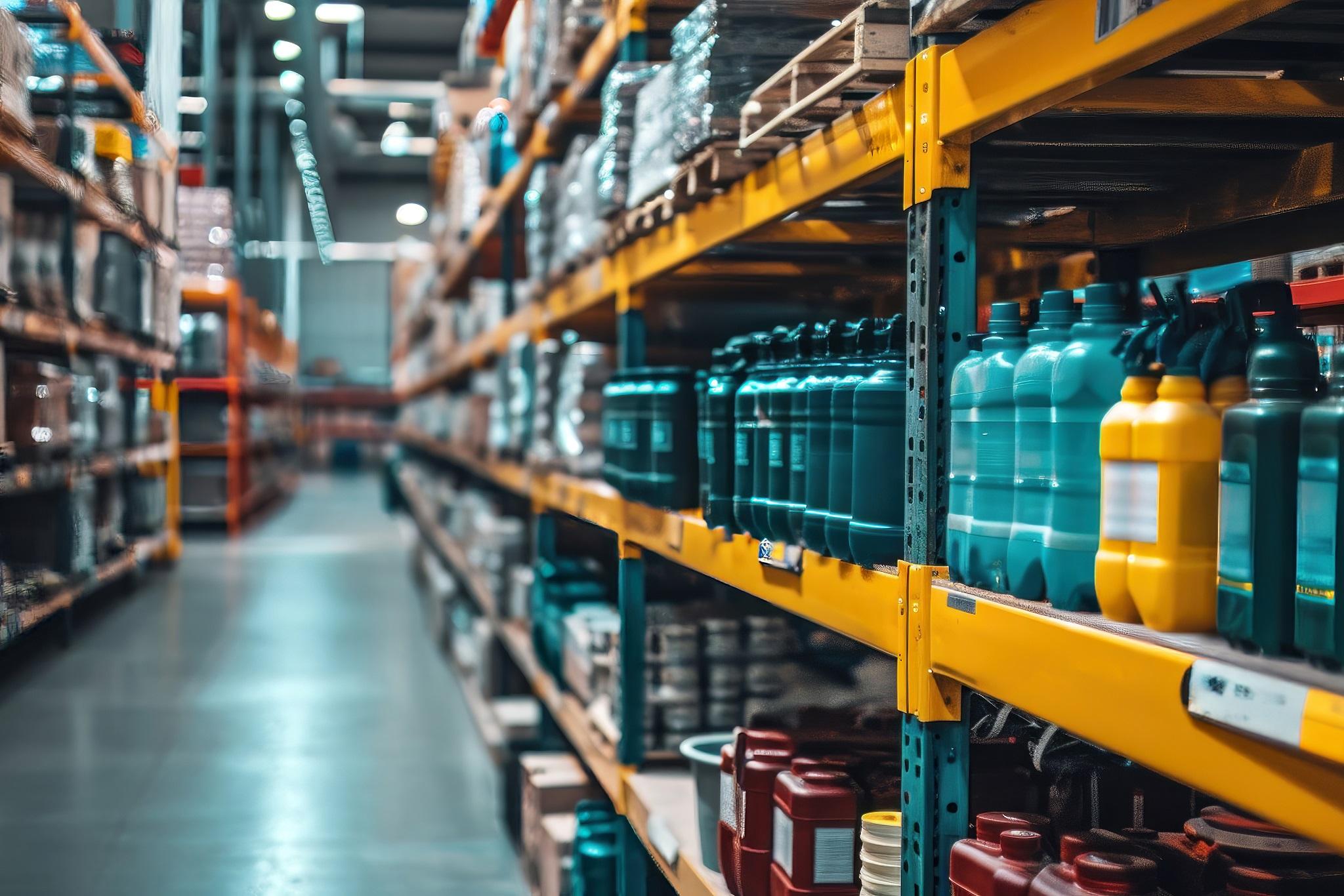
Laboratories depend on a consistent supply of chemicals to perform research, testing, analysis, education, quality control, and manufacturing processes. Whether a laboratory needs solvents for sample preparation, reagents for chemical reactions, or specialty chemicals for a specific procedure, having the right products available at the right time is essential.
Purchasing wholesale lab chemicals can be a practical option for laboratories, educational institutions, research organizations, manufacturers, and other professional users that regularly consume chemical products. Buying in larger quantities can help organizations manage their inventory and simplify purchasing, while selecting suitable products based on grade, purity, packaging, and intended application remains important.
This guide explains what wholesale laboratory chemicals are, the common types available, how they are used, what factors to consider when choosing a supplier, and how laboratories can manage these products responsibly.
What Are Wholesale Lab Chemicals?
Wholesale lab chemicals are chemical products supplied in larger quantities or multiple packages for professional laboratory and scientific applications. Instead of purchasing small quantities for occasional use, organizations with regular chemical requirements may purchase larger volumes according to their operational needs.
These products can include common laboratory reagents, solvents, acids, bases, salts, buffers, indicators, and specialty chemicals. The appropriate product depends on the laboratory procedure, required purity, concentration, compatibility, and application.
Wholesale purchasing does not simply mean buying the largest available quantity. Laboratories should determine their actual consumption, storage capacity, shelf life, and safety requirements before placing larger orders.
Why Do Laboratories Purchase Chemicals in Wholesale Quantities?
Many laboratories use certain chemicals repeatedly. Purchasing these products in appropriate quantities can simplify procurement and help maintain a consistent inventory.
One advantage is purchasing convenience. Instead of repeatedly ordering frequently used chemicals, a laboratory can plan its requirements and purchase suitable quantities in advance.
Inventory planning is another important consideration. Maintaining an adequate supply can help laboratories avoid interruptions when chemicals are needed for scheduled experiments or testing procedures.
Wholesale purchasing may also be useful for organizations with multiple laboratories or departments. Centralized procurement can make it easier to organize commonly used products and maintain purchasing records.
However, larger quantities should only be purchased when they are appropriate. Chemicals should be stored according to their requirements, and organizations should consider expiration dates, stability, storage space, and handling procedures.
Common Types of Wholesale Laboratory Chemicals
Laboratories use many different categories of chemicals. The following are some common examples.
1. Laboratory Reagents
Reagents are chemicals used to produce reactions, detect substances, prepare samples, or perform analytical procedures. They can include individual compounds, prepared solutions, and specialized formulations.
The required reagent depends on the method and application. Laboratories should review product specifications before selecting a reagent.
2. Solvents
Solvents are widely used for dissolving, extracting, cleaning, dilution, sample preparation, and other laboratory procedures.
Common laboratory solvents include alcohols, ketones, hydrocarbons, and other organic or inorganic solvents. Different applications require different solvent properties and purity levels.
For example, a laboratory performing analytical work may have different solvent requirements from a facility using solvents for general cleaning or processing.
3. Acids
Acids are common laboratory chemicals used in analytical procedures, synthesis, sample preparation, pH adjustment, cleaning, and educational experiments.
Examples include hydrochloric acid, sulfuric acid, nitric acid, and acetic acid. Their concentration and grade should be selected according to the intended application.
4. Bases and Alkaline Chemicals
Bases are used in neutralization, chemical reactions, pH adjustment, cleaning, and analytical procedures. Sodium hydroxide is one example of a commonly used laboratory base.
Because concentrated bases can present significant hazards, laboratories need suitable storage, handling procedures, personal protective equipment, and appropriate safety documentation.
5. Salts and Inorganic Compounds
Laboratories use numerous salts and inorganic compounds in analytical testing, buffer preparation, chemical reactions, research, and educational applications.
Examples may include sodium chloride, sodium sulfate, potassium compounds, ammonium salts, and other inorganic materials.
6. Indicators and Specialty Chemicals
Indicators are used to identify changes such as pH or chemical reactions. Specialty chemicals may be designed for specific analytical, research, industrial, or scientific applications.
When purchasing specialty products in larger quantities, laboratories should pay particular attention to specifications and expected consumption because specialized chemicals may not be used as frequently as common reagents.
What Should You Consider When Buying Wholesale Lab Chemicals?
Choosing chemicals based only on price or package size may create problems later. Several factors should be reviewed before purchasing.
Product Grade
Chemical grade indicates the quality or intended use of a product. Different laboratory procedures may require different grades.
A chemical suitable for general laboratory use may not necessarily be appropriate for analytical, research, or other specialized applications. Users should select products based on the requirements of their specific procedure.
Purity
Purity is another important factor. Some procedures require chemicals with defined purity specifications, while routine applications may have different requirements.
Laboratories should review product information, specifications, certificates, and other available documentation when purity is critical to the application.
Concentration
For solutions and prepared chemicals, concentration can be particularly important. The required concentration should match the laboratory procedure.
Ordering the wrong concentration can lead to additional preparation work or make a product unsuitable for a particular application.
Packaging
Wholesale chemicals may be available in different container sizes. The correct package depends on consumption, storage capacity, handling requirements, and product stability.
Large packaging may be practical for frequently used chemicals, while smaller packages can be more appropriate for products with limited usage or shorter shelf life.
Documentation
Professional chemical suppliers may provide important product information, including specifications and Safety Data Sheets.
Documentation helps laboratories understand product characteristics, hazards, handling requirements, storage conditions, and other relevant information.
Storage Requirements
Before purchasing chemicals in bulk, laboratories should confirm that they have suitable storage facilities.
Some chemicals may require controlled temperatures, protection from light, segregation from incompatible substances, or specific ventilation conditions. Storage arrangements should follow applicable safety requirements and the product's documentation.
How Can Wholesale Purchasing Help Inventory Management?
Inventory management is an important part of laboratory operations. Running out of a frequently used reagent can delay experiments, testing, or production activities.
Wholesale purchasing can form part of a planned inventory strategy. Laboratories can monitor consumption and establish appropriate reorder points for regularly used products.
For example, if a laboratory uses a particular solvent every week, purchasing an appropriate quantity based on historical consumption may reduce the need for frequent orders.
At the same time, purchasing excessive quantities can create its own challenges. Chemicals may have shelf-life limitations, require specialized storage, or become unnecessary if laboratory procedures change.
A balanced inventory approach considers both availability and responsible purchasing.
Wholesale Chemicals for Research Laboratories
Research laboratories often use a wide range of chemicals for experiments and investigations. Requirements can change depending on the research project.
Researchers may need solvents, reagents, buffers, acids, bases, salts, and specialty compounds. Some projects require very specific specifications, making product information particularly important.
For research applications, consistency can also matter. Using products that meet the required specifications can help researchers maintain repeatable procedures and document their experimental work.
Before ordering wholesale quantities, research teams should estimate how much material they are likely to use throughout the project. This can help prevent unnecessary stock accumulation.
Wholesale Chemicals for Educational Laboratories
Schools, colleges, universities, and training institutions also use laboratory chemicals for practical demonstrations and experiments.
Educational laboratories may regularly use common acids, bases, salts, indicators, solvents, and other chemicals. Purchasing suitable quantities can help institutions prepare for recurring laboratory classes.
Safety is especially important in educational environments. Chemical selection, storage, labeling, supervision, handling procedures, and waste management should be considered carefully.
Institutions should purchase chemicals that are appropriate for their educational activities and ensure that staff and students follow established laboratory safety procedures.
Wholesale Chemicals for Industrial Laboratories
Industrial laboratories may perform quality-control testing, product analysis, research and development, process monitoring, and other technical activities.
Their chemical requirements can differ considerably depending on the industry. Manufacturing, food testing, environmental analysis, materials testing, pharmaceutical research, and other sectors may use different chemical products.
For industrial users, reliable procurement and inventory planning can be important because laboratory testing may be connected to production schedules and quality-control processes.
Selecting chemicals based on the required specifications and intended application can help laboratories maintain consistent testing procedures.
How Does a Chemical Supplier Support Wholesale Buyers?
A chemical supplier does more than provide containers of chemicals. Professional buyers may need product information, specifications, packaging options, documentation, and customer support.
A supplier with a broad catalog can make it easier for organizations to source different types of laboratory products through one purchasing channel.
Product information is particularly important when chemicals have different grades, concentrations, or intended uses. Buyers should be able to identify the product specifications relevant to their application.
Suppliers can also help customers understand available package sizes and product options. However, the final selection should always be based on the user's technical requirements and applicable safety procedures.
Safety Considerations When Purchasing Laboratory Chemicals
Chemical safety should remain a priority regardless of the quantity purchased.
Before receiving a chemical product, laboratories should consider whether they have appropriate storage and handling facilities. Staff should have access to relevant Safety Data Sheets and understand the hazards associated with the products they use.
Chemical containers should remain properly labeled, and incompatible chemicals should be stored separately where required.
Personal protective equipment should be selected according to the hazards of the specific chemical and laboratory procedure. Appropriate ventilation and engineering controls should also be used when necessary.
Chemical waste should be handled and disposed of according to applicable regulations and institutional procedures.
Buying chemicals in wholesale quantities does not reduce the importance of these precautions. In fact, larger inventories may require more careful planning because a greater quantity of hazardous material may be present on-site.
How to Choose a Wholesale Lab Chemical Supplier
Selecting a supplier is an important part of laboratory procurement. Buyers can evaluate suppliers based on several practical factors.
First, review the available product range. A supplier offering reagents, solvents, laboratory chemicals, equipment, and related supplies may simplify purchasing.
Second, examine product information and specifications. Clear information helps buyers select products appropriate for their intended applications.
Third, consider packaging options and availability. The supplier should be able to provide quantities that align with the laboratory's actual requirements.
Documentation is another important consideration. Safety Data Sheets and product specifications can help laboratories manage chemicals responsibly.
Customer support can also be useful when buyers need clarification about products, packaging, or ordering.
Finally, laboratories should consider their own purchasing policies, regulatory obligations, storage capabilities, and technical requirements before placing an order.
The Importance of Responsible Wholesale Purchasing
Wholesale purchasing should be based on actual laboratory requirements rather than simply obtaining the largest possible quantity.
A responsible purchasing strategy considers product consumption, storage capacity, shelf life, chemical compatibility, safety requirements, and future demand.
For frequently used and stable products, larger quantities may be practical. For chemicals with limited applications or shorter shelf lives, smaller quantities may be more suitable.
Laboratories can also maintain purchasing records to monitor usage and identify products that are being overstocked or understocked.
This approach can improve organization while helping laboratories avoid unnecessary chemical accumulation.
Post Apple Scientific as a Laboratory Chemical Supplier
Post Apple Scientific provides chemicals, reagents, laboratory equipment, and scientific supplies for research, education, testing, and industrial applications. Its catalog includes a range of products intended for different laboratory and scientific requirements.
For organizations sourcing laboratory chemicals, reviewing product specifications, intended applications, packaging, and available documentation can help identify suitable products.
Whether a laboratory needs commonly used reagents, solvents, acids, bases, salts, or other scientific materials, purchasing decisions should be based on technical requirements and responsible laboratory practices.
Conclusion
Wholesale lab chemicals can support laboratories and professional organizations that have regular and predictable chemical requirements. Purchasing suitable quantities can simplify procurement and contribute to effective inventory planning, but quantity should always be balanced with storage capacity, product stability, shelf life, safety, and actual consumption.
When selecting a wholesale chemical supplier, laboratories should consider product range, grade, purity, concentration, packaging, documentation, availability, and customer support. Equally important are proper storage, labeling, handling, and waste-management practices.
A thoughtful purchasing strategy allows laboratories to maintain the materials they need while managing their chemical inventory responsibly. By combining suitable products with careful planning and appropriate safety procedures, laboratories can better support research, testing, education, quality control, and other scientific activities.

 English
 French
 Spanish
 Portuguese
 Deutsch
 Turkish
 Dutch
Dutch
 Italiano
 Russian
 Romaian
 Portuguese (Brazil)
 Greek
Greek
